Which Azores Island to Visit First? A Guide to All 9 Islands
A guide to all 9 Azores islands to help you decide which one to visit first, with highlights, character, and best activities for each island.
May 27, 2020 • 10 min read
Which Azores Island to Visit First? A Guide to All 9 Islands
Often called Europe's best-kept secret, the Azores have become an increasingly popular destination with year-round appeal. This group of nine islands lies about 875 miles (1,400 km) west of mainland Portugal and is packed with natural beauty, striking landscapes and a genuine sense of authenticity.
Although the islands share a volcanic origin, each one has its own character. Below, we break down all nine Azores islands, what makes each one unique and who it suits best, so you can decide which island, or which combination of islands, to visit first.
1. São Miguel: The Best First Island for Most Travelers
São Miguel is the largest and most visited island in the Azores, and for good reason. It has the most direct international flights, the widest range of activities and some of the most dramatic volcanic landscapes in the archipelago.
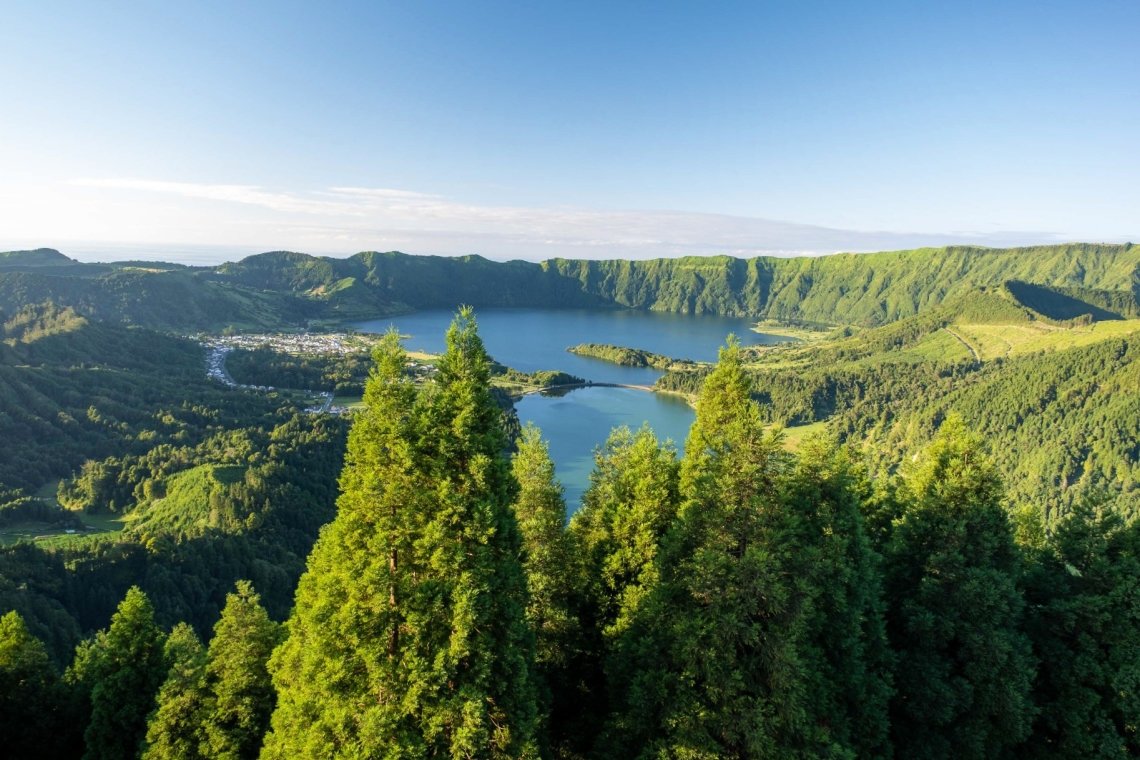
The twin crater lakes of Sete Cidades, the geothermal valley of Furnas, Lagoa do Fogo and the natural lava pools of the west coast are all within a day's drive. Ponta Delgada, the island's main city and the capital of the Azores, has an excellent restaurant scene, a lively cultural life and easy access to the island's main sights.
Best for: first-time visitors, families, travelers who want maximum variety on one island, whale watching, hiking and hot springs.
Not ideal for: those looking for remote, uncrowded experiences in peak season.
2. Santa Maria: The Sunniest Island in the Azores
Santa Maria is the southernmost and oldest island in the Azores, and the one best known for its sandy beaches. It is the sunniest and driest island in the archipelago, which makes it the closest thing to a traditional beach destination in the Azores.
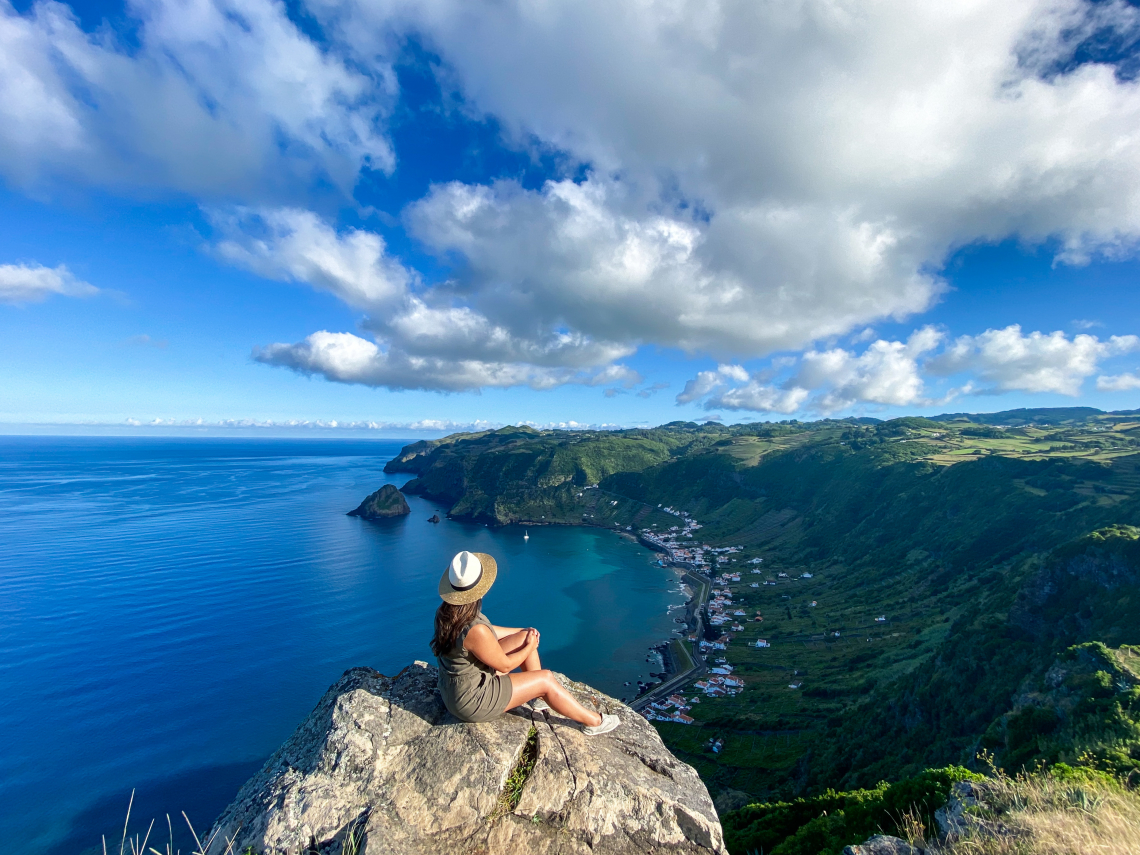
Beyond the beaches, Santa Maria has a character of its own: reddish volcanic cliffs, terraced vineyards and a slower, more southern pace of life. Praia Formosa is the most famous beach, and the bay of São Lourenço is the most dramatic. The island is small enough to explore fully in two to three days.
Best for: beach lovers, sun seekers, couples, divers and travelers who want beaches alongside volcanic scenery.
Not ideal for: those mainly after dramatic volcanic landscapes or a large choice of hiking trails.
3. Terceira: UNESCO Heritage, Alcatra and Volcanic Caves
Terceira is one of the most visited and most rewarding islands. Its main town, Angra do Heroísmo, is a UNESCO World Heritage site and one of the most beautiful towns in the Atlantic, with 16th-century architecture, baroque churches and cobblestone streets.
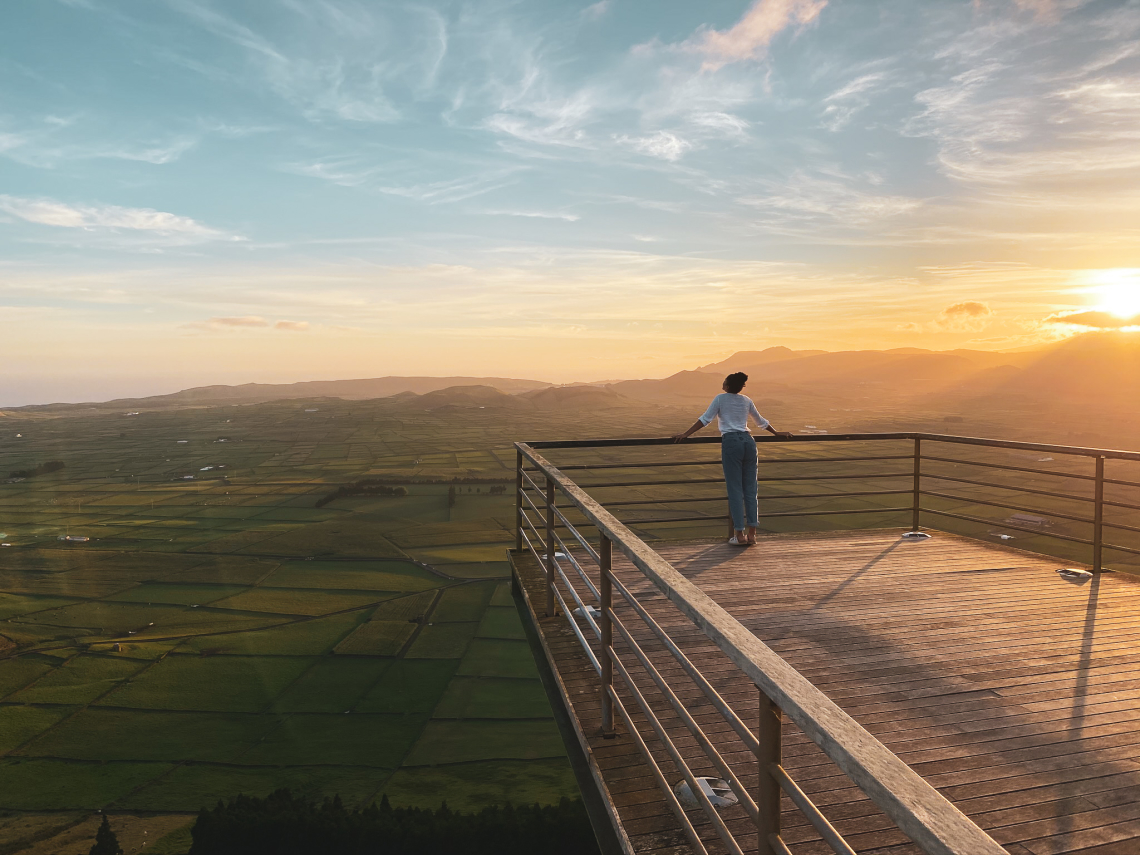
Beyond Angra, Terceira has the Algar do Carvão, a volcanic chimney you can walk down into, the Mistérios Negros trail through moss-covered lava fields and the Serra do Cume viewpoint, with its famous patchwork of green fields. Locals like to say the Azores are "eight islands and an amusement park", and Terceira is the amusement park, with festivities all year and famously welcoming people. The food is outstanding, especially alcatra, a beef stew slow-cooked in a clay pot.
Best for: culture and history lovers, food lovers, hikers and travelers combining islands with São Miguel.
Not ideal for: beach holidays, although Praia da Vitória has a good sandy beach.
4. Graciosa: The Quiet Island
Graciosa is the smallest and flattest of the central islands, and one of the least visited, which is exactly its appeal. Life moves at an unhurried pace among whitewashed villages, Flemish-style windmills and a landscape untouched by mass tourism. Its standout sight is the Furna do Enxofre, a vast volcanic cave with an underground sulfur lake. Graciosa is also known for its queijadas, its local wine and the Carapacho thermal spa, where the mineral water reaches around 40°C (104°F).
Best for: travelers looking for an authentic, uncrowded escape, wine lovers and anyone who wants to slow down.
Not ideal for: first-time visitors expecting dramatic volcanic scenery or a wide range of activities.
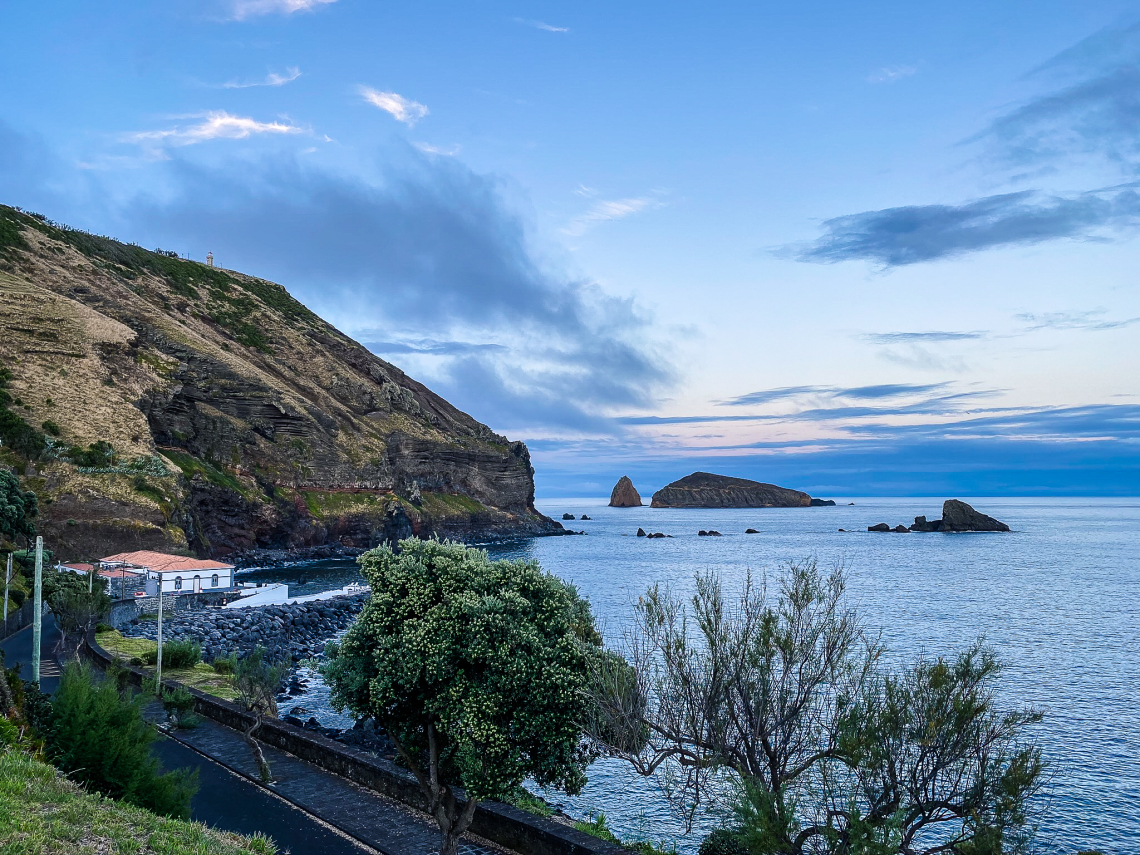
5. São Jorge: The Island of Fajãs and Dramatic Cliffs
São Jorge is long, narrow and steep: a ridge of volcanic rock rising more than 1,000 meters (3,280 feet) from the sea, with sheer cliffs dropping to small coastal platforms called fajãs, some of them reachable only on foot. It is a paradise for serious hikers. The Fajã da Caldeira de Santo Cristo, at the end of one of the Azores' most celebrated trails, has a lagoon that is the only place in the Azores where clams are found. The island also makes one of Portugal's finest cheeses, the aged, peppery Queijo de São Jorge, and grows coffee at Fajã dos Vimes, one of the very few coffee plantations in Europe.
Best for: experienced hikers, adventure travelers, cheese and coffee lovers and anyone looking for something off the beaten path.
Not ideal for: families with young children or travelers with limited mobility.
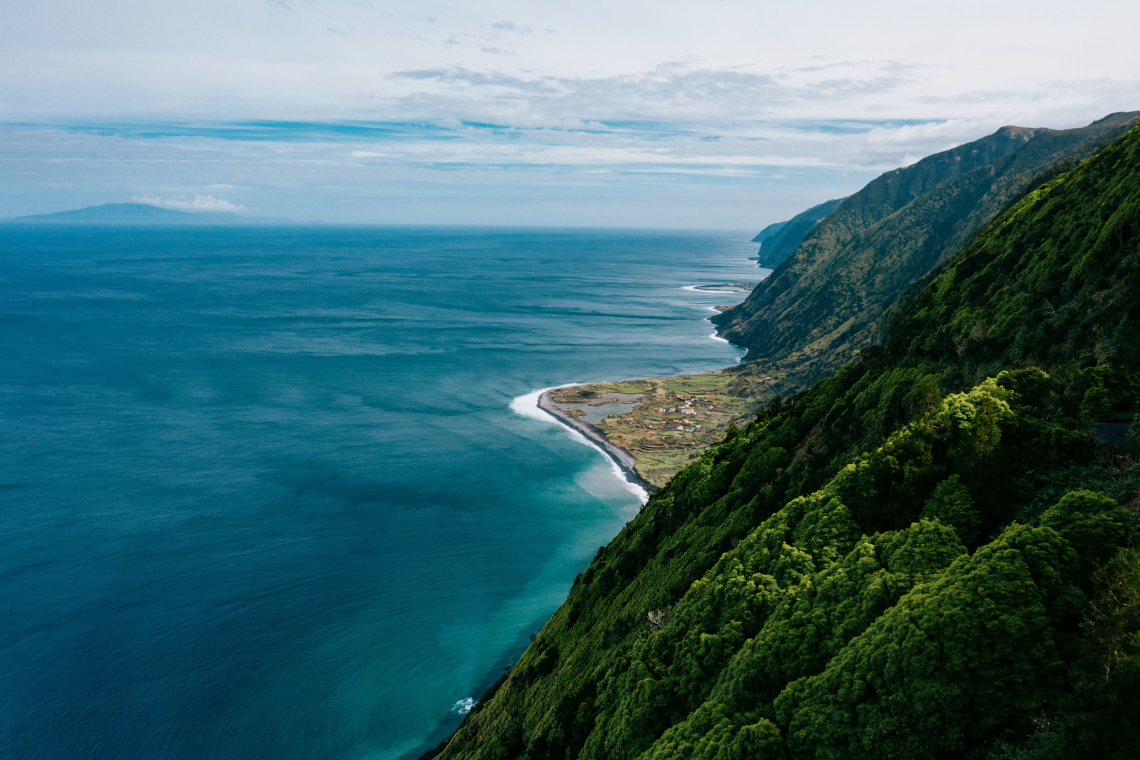
6. Pico: The Mountain Island
Pico is defined above all by its mountain. At 2,351 meters (7,713 feet), Mount Pico is the highest point in Portugal and one of the most striking volcanoes in the Atlantic, rising almost straight out of the sea. Beyond the mountain, Pico has a landscape of real character: black-lava vineyards protected by UNESCO, where wine has been made since the 15th century, natural lava pools, the Gruta das Torres, the longest lava cave in the Azores at more than 5 km (3 miles), and a whaling history that shaped the culture of the whole archipelago. It is quieter and less visited than São Miguel or Terceira.
Best for: hikers, wine lovers, whale watching and travelers who want a rugged, authentic experience.
Not ideal for: those who prefer city amenities or a wide choice of restaurants.
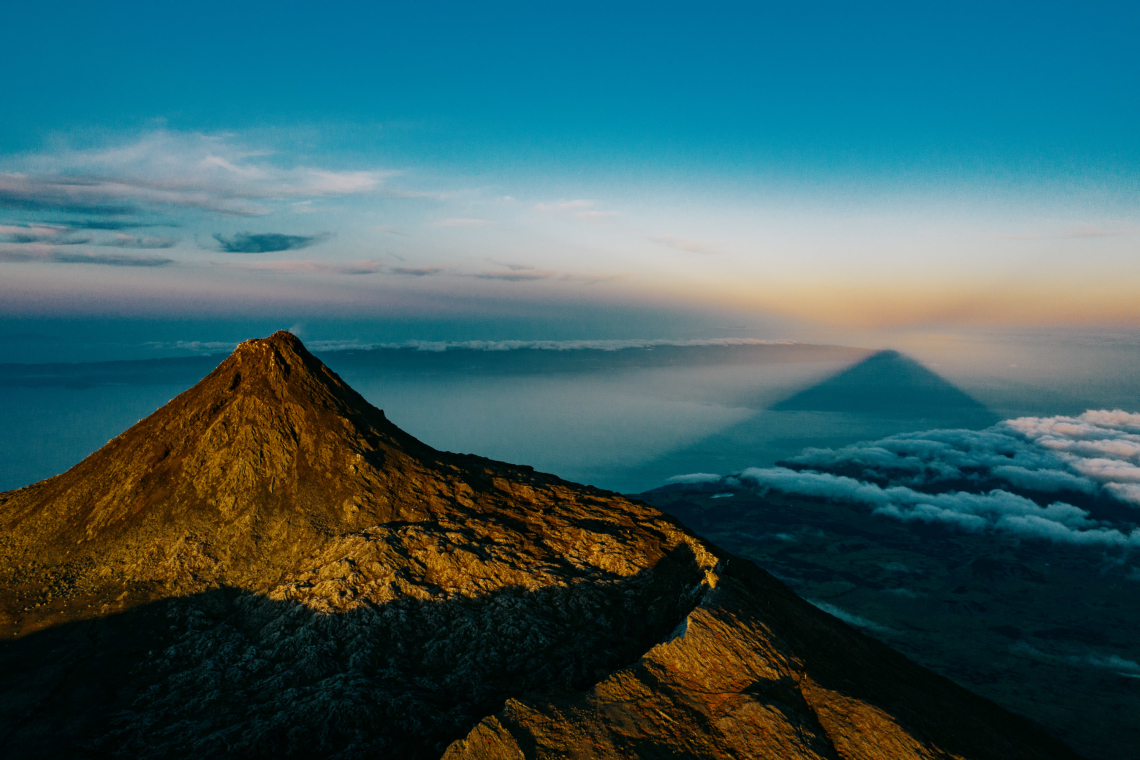
7. Faial: Sailing Culture and the Capelinhos Volcano
Faial is known as the Blue Island for its summer hydrangeas, but its character comes from the sea. Horta, its main town, has been a crossroads of Atlantic sailing routes for centuries, and its marina is one of the best-known yachting ports in the world. Peter Café Sport, founded in 1918, has been a meeting point for sailors and travelers ever since. At the island's western tip, the Capelinhos volcano erupted in 1957 and 1958, adding a peninsula of black lava and half-burying a lighthouse, a landscape unlike anywhere else in the Azores. Faial also has excellent whale watching and a natural swimming beach at Porto Pim.
Best for: sailors and maritime-history enthusiasts, whale watching, combining with Pico, and culture alongside nature.
Not ideal for: those expecting a beach holiday.
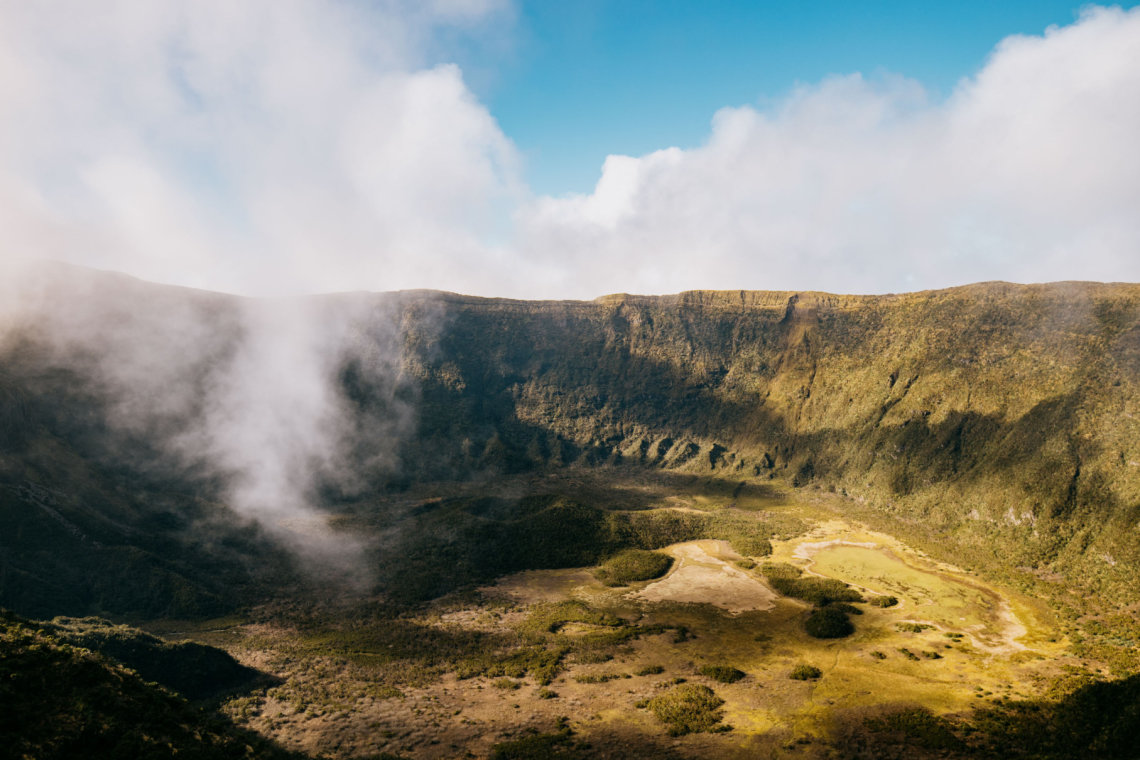
8. Flores: The Island of Waterfalls
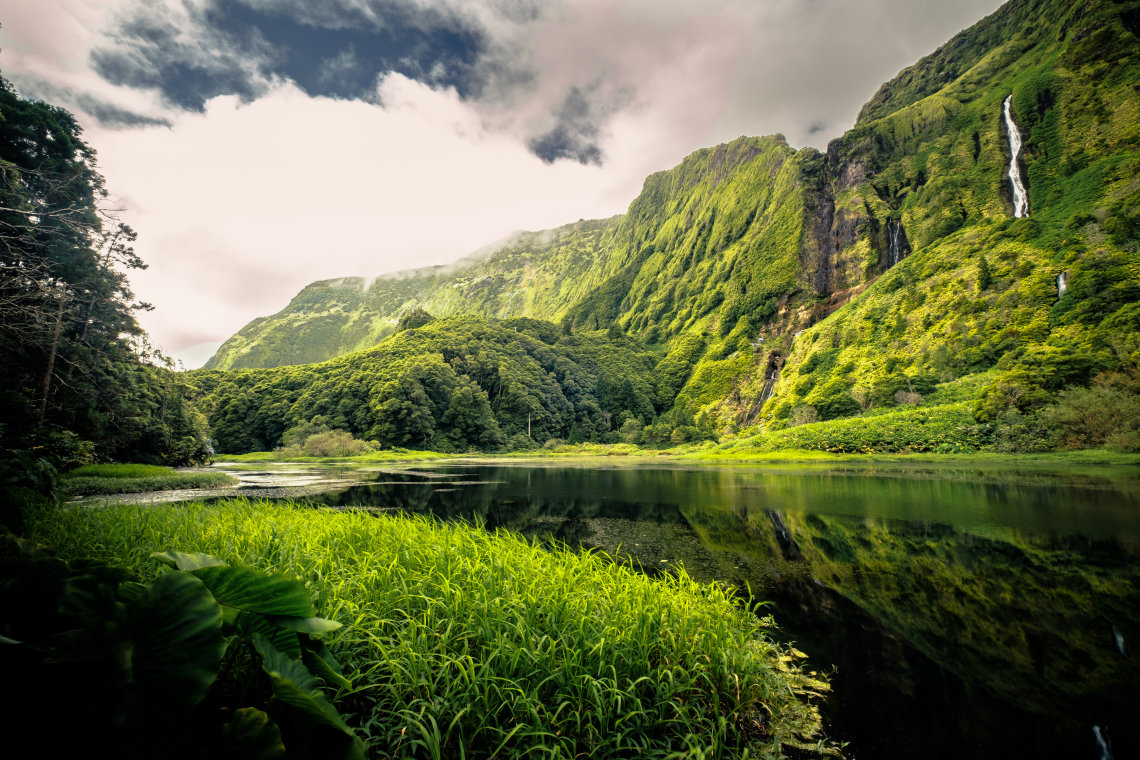
Flores is widely considered the most spectacular island in the Azores. Waterfalls pour into crater lakes, hydrangeas line the roads in summer and the west coast drops to the sea in dramatic cliffs. Flores is a UNESCO Biosphere Reserve, known as the island of waterfalls: the Poço do Bacalhau in Fajã Grande and the Poço da Ribeira do Ferreiro, with more than 20 waterfalls, are unforgettable. Flores is harder to reach, with a connection through São Miguel or Terceira, but for travelers with time it delivers some of the most memorable landscapes in the Atlantic.
Best for: nature lovers, photographers, travelers looking for remote beauty and those with more time.
Not ideal for: short trips or first-time visitors who want to see as much as possible.
9. Corvo: The Smallest and Most Remote Island
Corvo is the smallest island in the Azores, with a single village of fewer than 500 people, one of the smallest communities in Europe. The island's only main road climbs to the Caldeirão, a volcanic crater about 2 km (1.2 miles) across and 300 meters (980 feet) deep, with small lakes and islets inside; some say you can see the outline of the nine Azores islands in them. Corvo is a favorite among birdwatchers, who come for the many rare migratory species.
Best for: birdwatching, peace and quiet, and travelers who love remote, natural places.
Not ideal for: those who want a wide range of activities or amenities.
The Triangle Islands: Pico, Faial and São Jorge
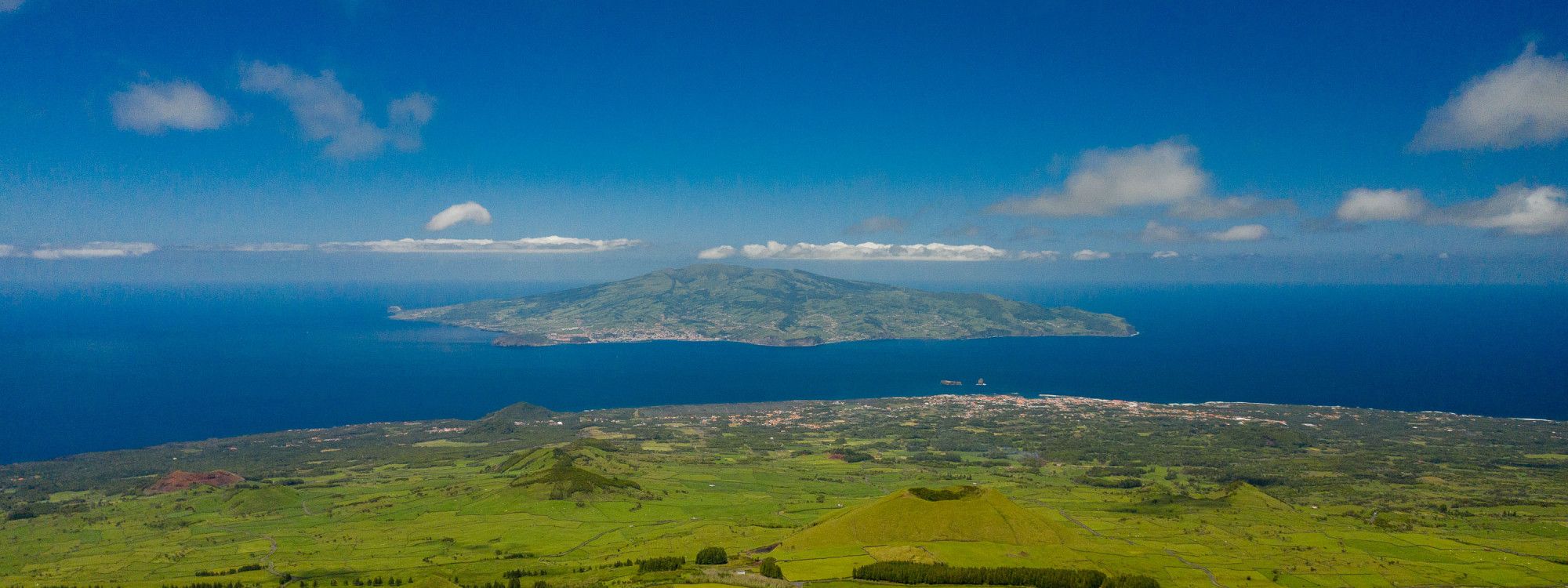
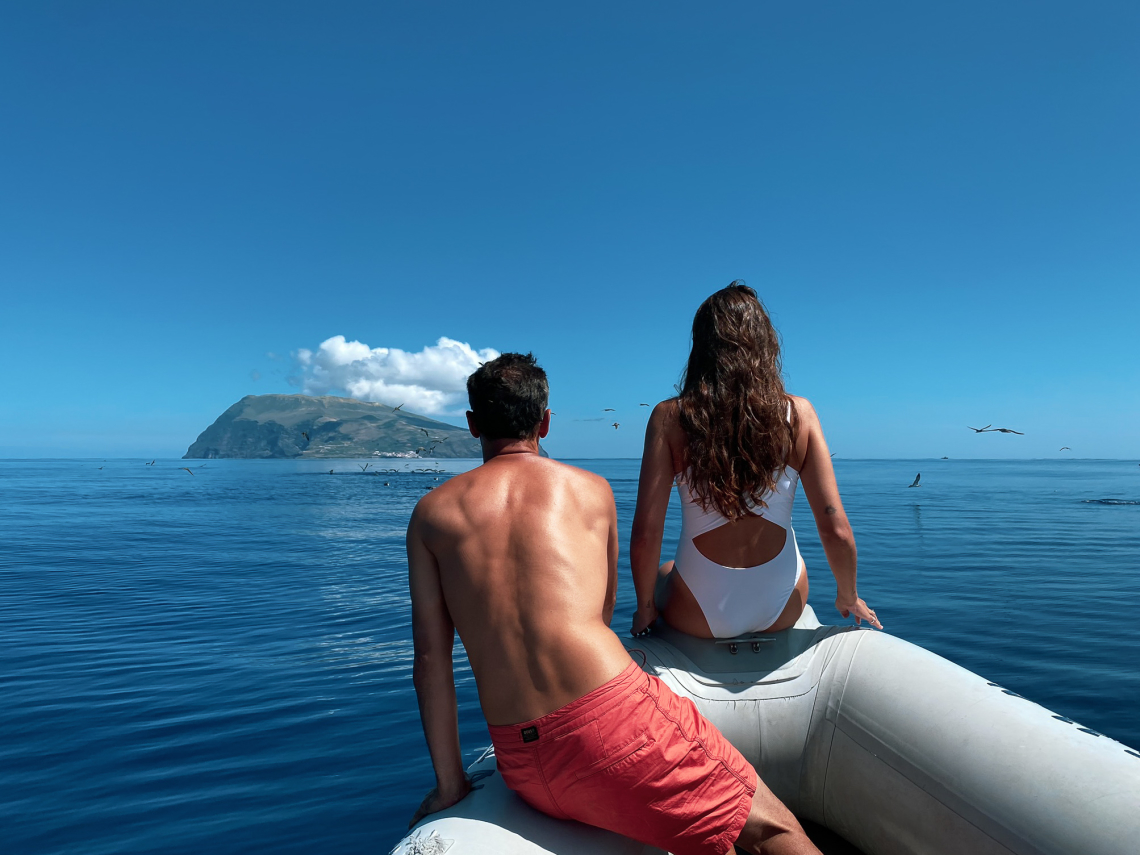
Pico, Faial and São Jorge are known as the Triangle of the Azores. Here, more than anywhere else, you feel you are in an archipelago, with the other islands always on the horizon. Because they sit so close together, you can base yourself on one and take day trips to the others by ferry. If your trip includes any of the three, plan at least one day to cross to the others.
So, Which Is the Best Azores Island?
There is no single winner. The best island is the one that fits your trip. For a first visit or for maximum variety, choose São Miguel. For culture, history and food, Terceira. For hiking and the mountain, Pico and Faial together. For beaches and sun, Santa Maria. For remote, waterfall-laced nature, Flores. For peace and quiet, Graciosa or Corvo. Many travelers combine two islands in a week, and short, frequent flights and ferries make island-hopping easy.



