Queijadas Dona Amélia: Terceira’s Spiced Cakes
What queijadas Dona Amélia are, the story behind the name, where to buy them on Terceira and how to take them home.
July 27, 2020 • 3 min read
Queijadas Dona Amélia: Terceira’s Spiced Cakes
What a queijada Dona Amélia is
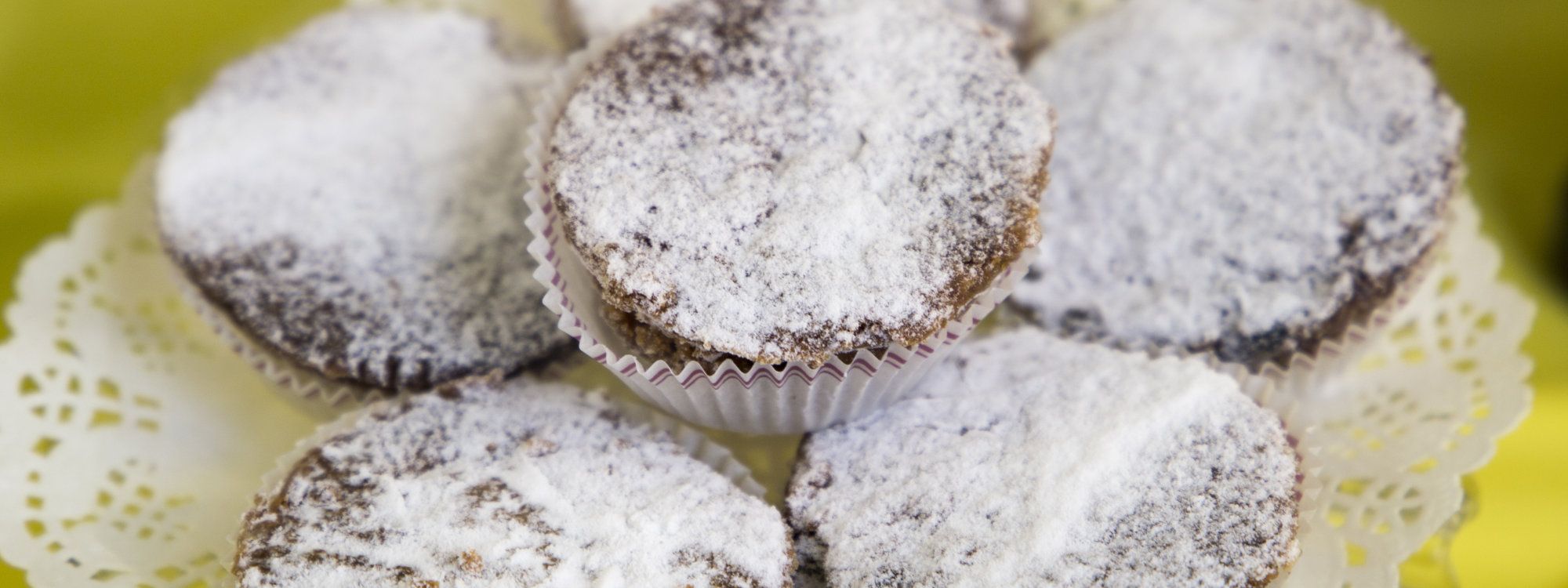
It is a small, round cake baked in a paper case, dark on the outside and soft and dense inside, with a light coating of icing sugar. The Azores Regional Government’s crafts and regional sweets register lists its main ingredients as corn, cinnamon, sugarcane molasses and icing sugar. Recipes also use eggs, butter and sugar, and many bakers add raisins or other spices.
The taste is spiced rather than very sweet, with the molasses giving it a dark colour and a slightly bitter edge.

The story behind the name
In 1901, King Carlos I and Queen Amélia made an official visit to the Azores. According to local tradition, spiced cakes were offered to the queen during the visit to Terceira and were renamed in her honour. The regional register presents this as what is known of the story, so treat the details as tradition rather than record.
The spices themselves reflect Angra’s past as a port of call for ships on the routes to and from Asia, Africa and the Americas.
Where to buy them
Pastry shops in the centre of Angra do Heroísmo bake them daily. O Forno, a pastelaria on a street near the centre, is one of the best-known places to try them, along with the full-size Dona Amélia cake.


You will also find them in cafés, bakeries and supermarkets across the island, including packed boxes that keep longer than fresh ones.
Taking them home
Fresh queijadas are best eaten within a day or two. For the journey home, buy packed boxes and check the best-before date on the box. If you are flying to the US or Canada, baked goods are generally allowed, but declare food on arrival if your customs form asks for it.
Other sweets to try on Terceira
Massa sovada: a lightly sweet bread, eaten at breakfast or with alcatra.
Alfenim: white sugar figures shaped by hand, traditionally linked to the Espírito Santo festivals.