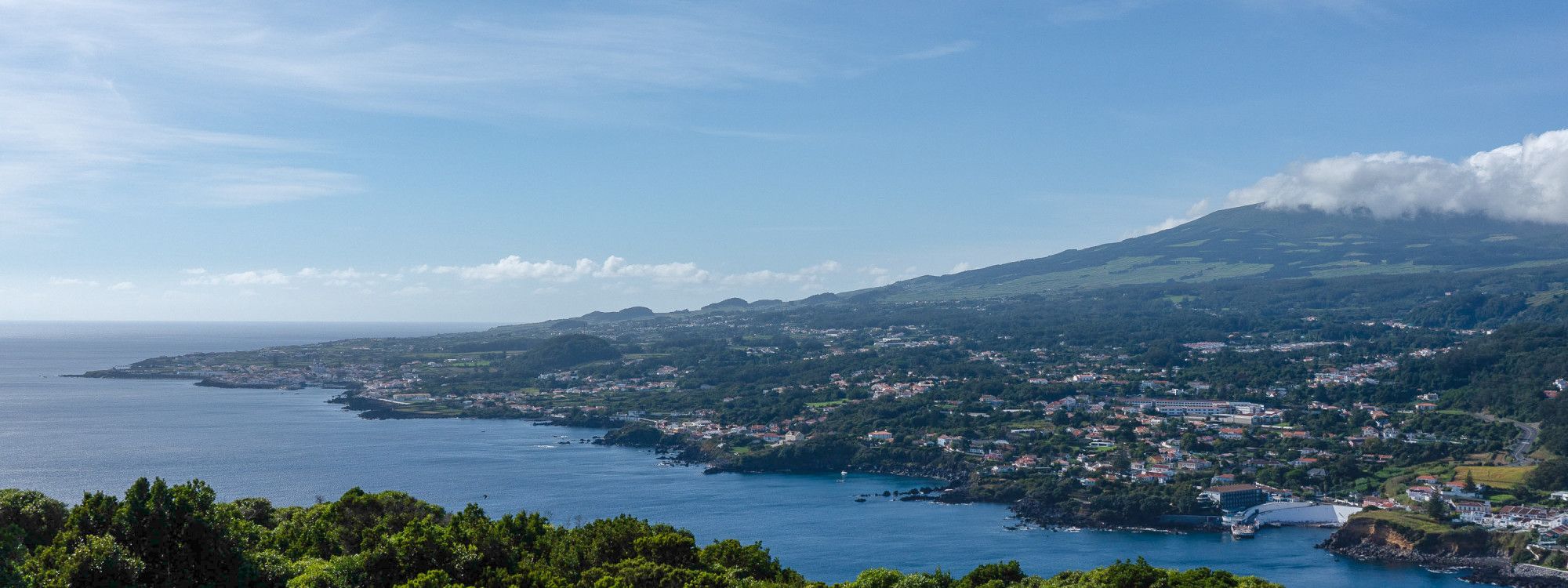
Angra do Heroísmo: A Guide to Terceira’s UNESCO City
Angra do Heroísmo, Terceira: why it is a UNESCO site, a half-day walk through the historic centre, Monte Brasil and what to eat.
February 19, 2021 • 4 min read
Angra do Heroísmo: A Guide to Terceira’s UNESCO City
Why Angra is a UNESCO site
From the 16th century, Angra’s sheltered bay made it a regular stop for ships crossing the Atlantic between Europe, Africa, the Americas and Asia. It became the first town in the Azores to be raised to city status, in 1534, and the seat of the Azores diocese the same year.
The UNESCO listing recognises that role and the fortifications built to protect it, along with a street grid that has kept its original layout. On 1 January 1980 a strong earthquake badly damaged the city. It was rebuilt over the following years using the old plan and traditional materials, and the UNESCO inscription followed in 1983.
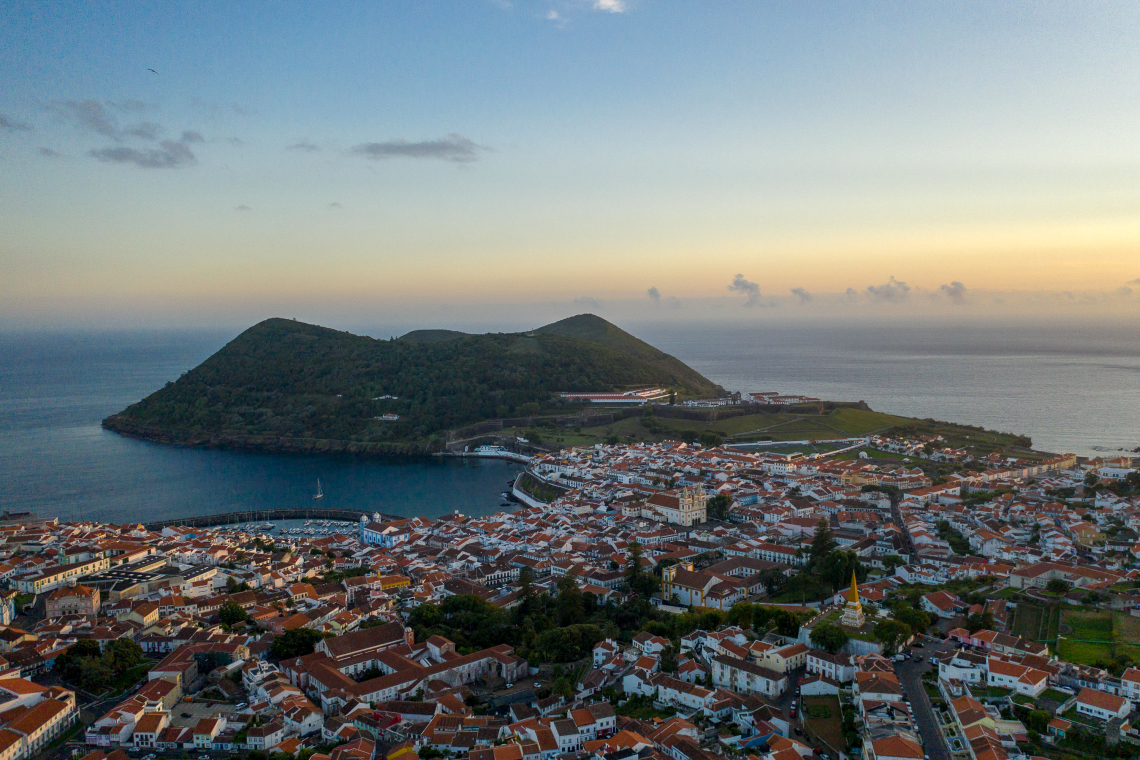
A half-day walk through the historic centre
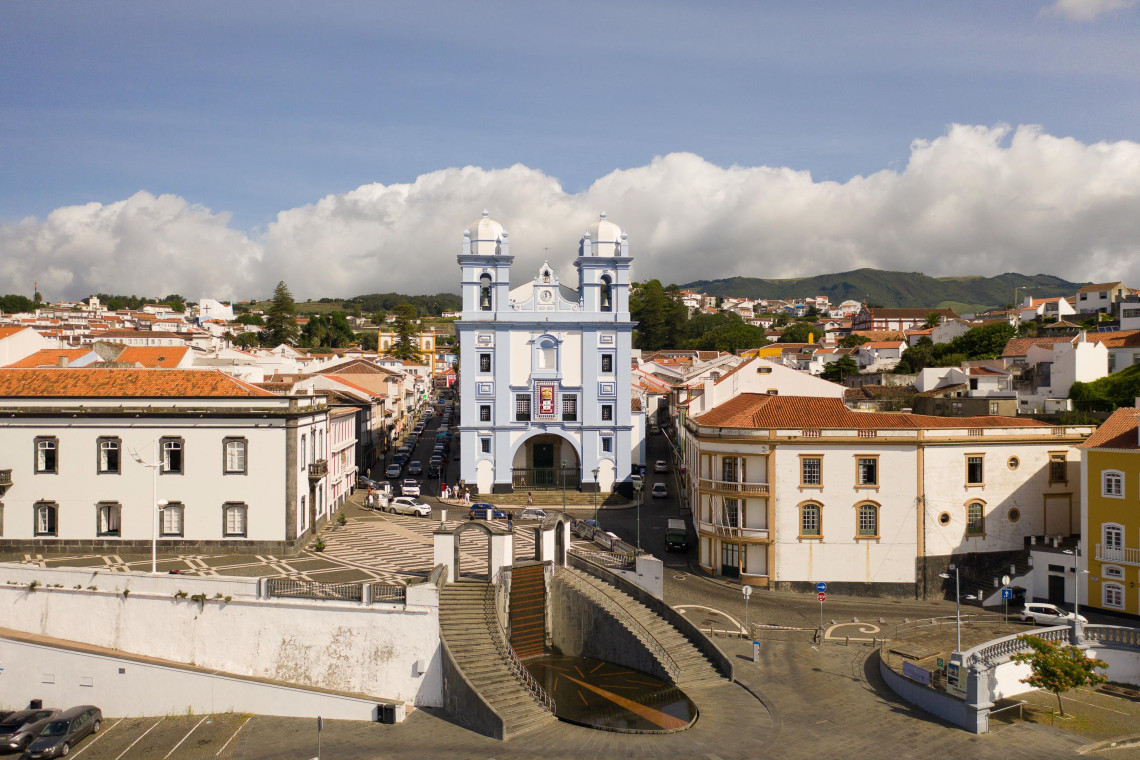
Start at the Praça Velha, the main square with the city hall. From there, Rua Direita runs down to the harbour, lined with townhouses whose windows and doors are framed in dark basalt. The centre is compact, and most of the sights below are within about 10 minutes’ walk of the square.
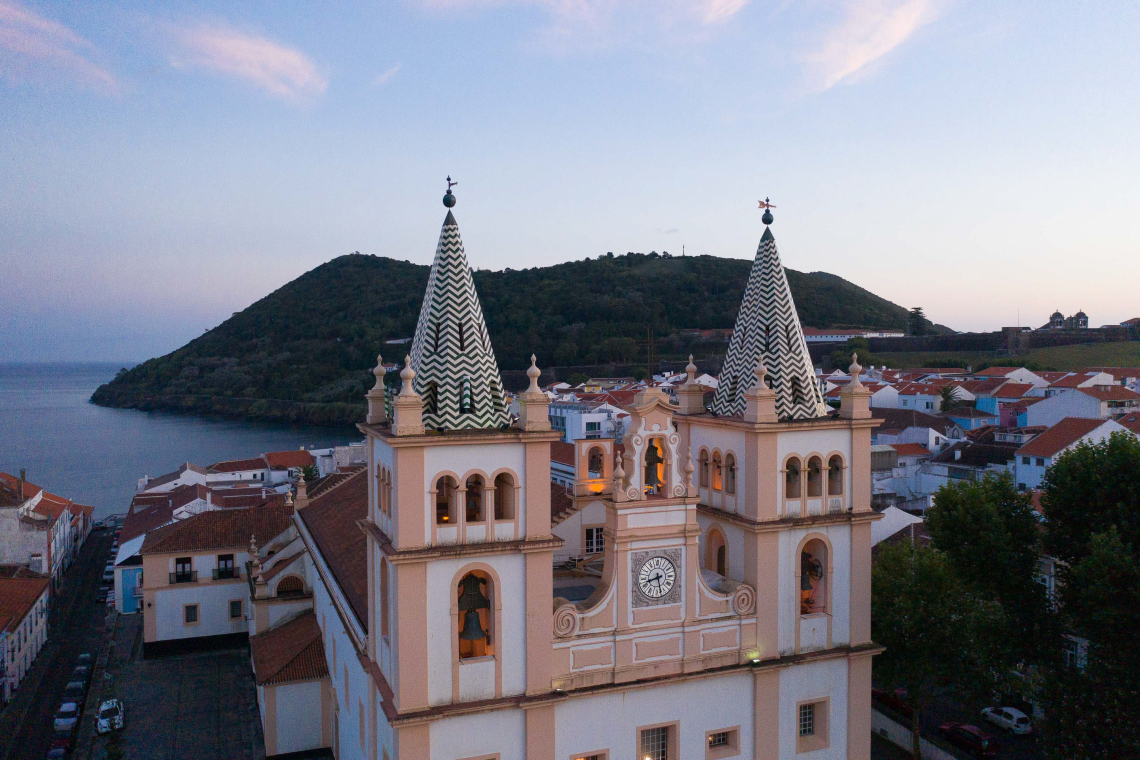
Sé Cathedral. The cathedral is the largest church in the Azores, built from the late 16th century. It was badly damaged in the 1980 earthquake and has since been restored. Its two towers dominate the skyline.
Jardim Duque da Terceira. A public garden laid out in the 19th century on the grounds of a former convent, with subtropical trees, fountains and paths that climb to the Alto da Memória, an obelisk with a view over the rooftops.
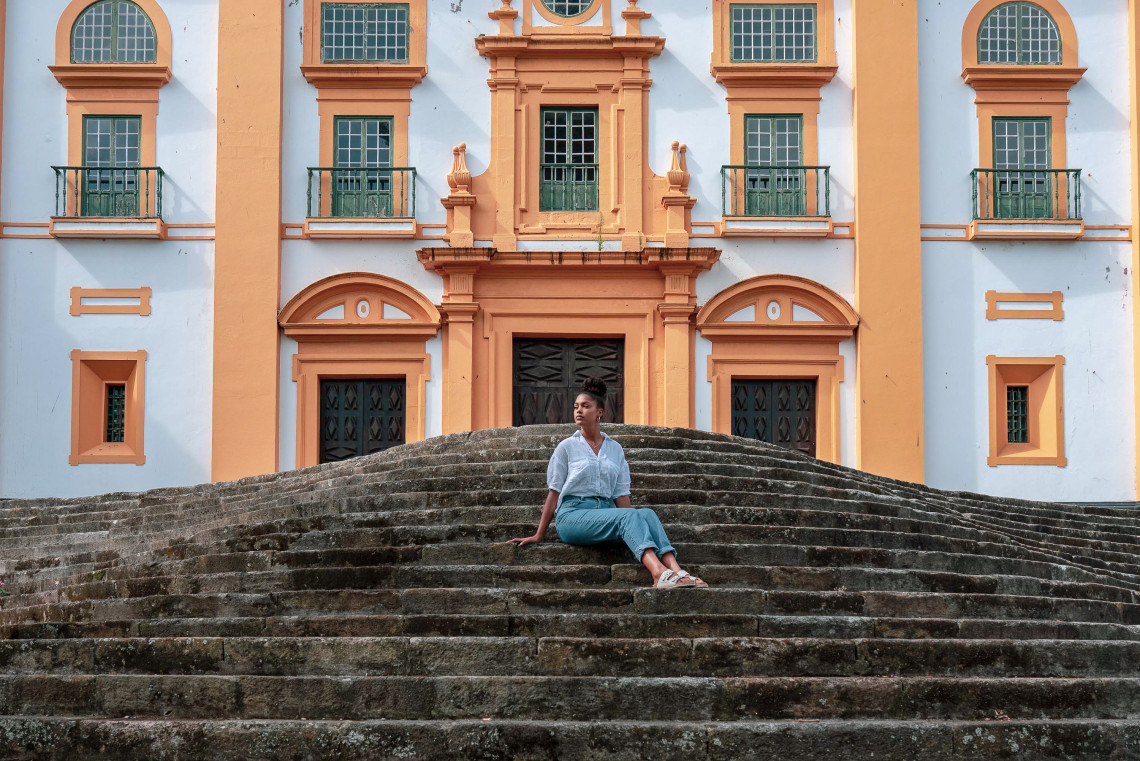
Palace of the Captains-General. The former Jesuit college became the residence of the island’s military governors in the 18th century. It sits next to the Igreja do Colégio, the old Jesuit church, whose interior is decorated with gilded woodwork and tiles.
Churches. Angra has many churches for a city of its size. The Igreja da Misericórdia faces the harbour, and the Igreja de Nossa Senhora do Carmo is a short walk from the centre.
Monte Brasil and the São João Baptista fortress
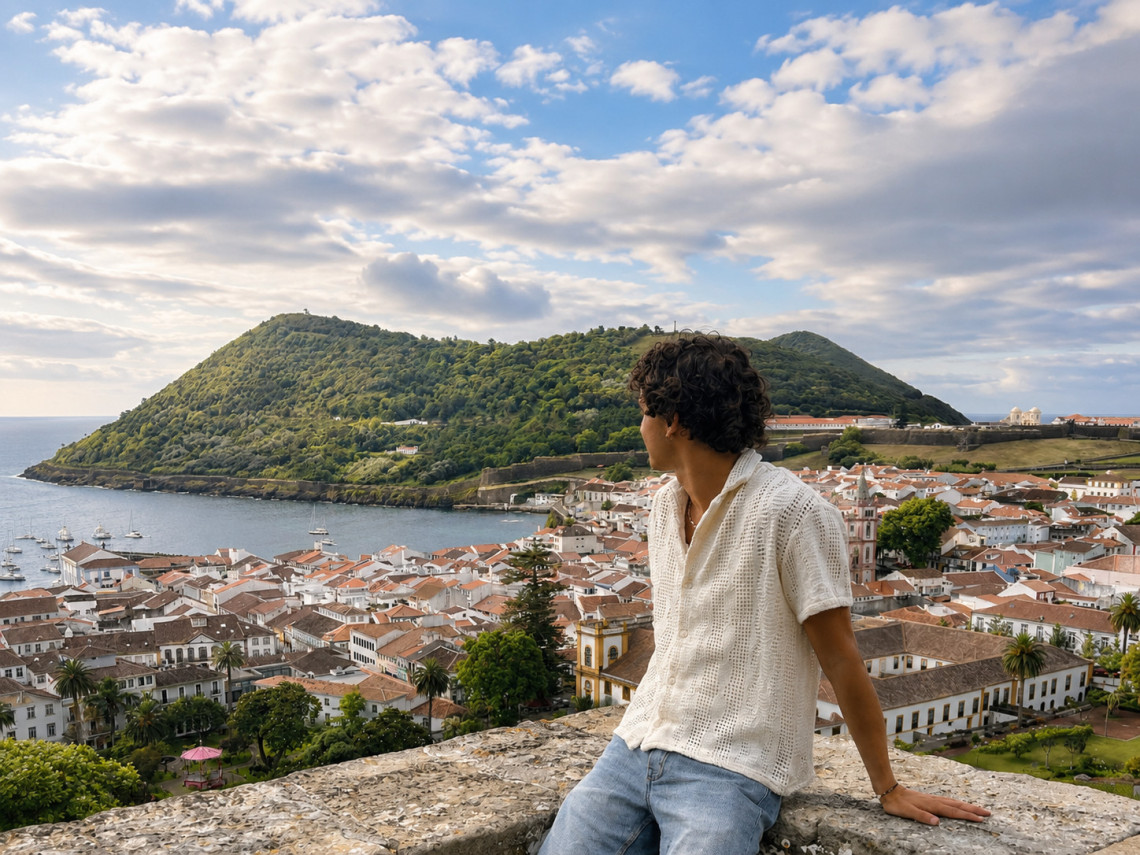
Monte Brasil is an extinct volcano, about 200 m high, joined to the city by a narrow isthmus. Its slopes are wooded, and the Pico das Cruzinhas viewpoint looks straight down over Angra and the bay.
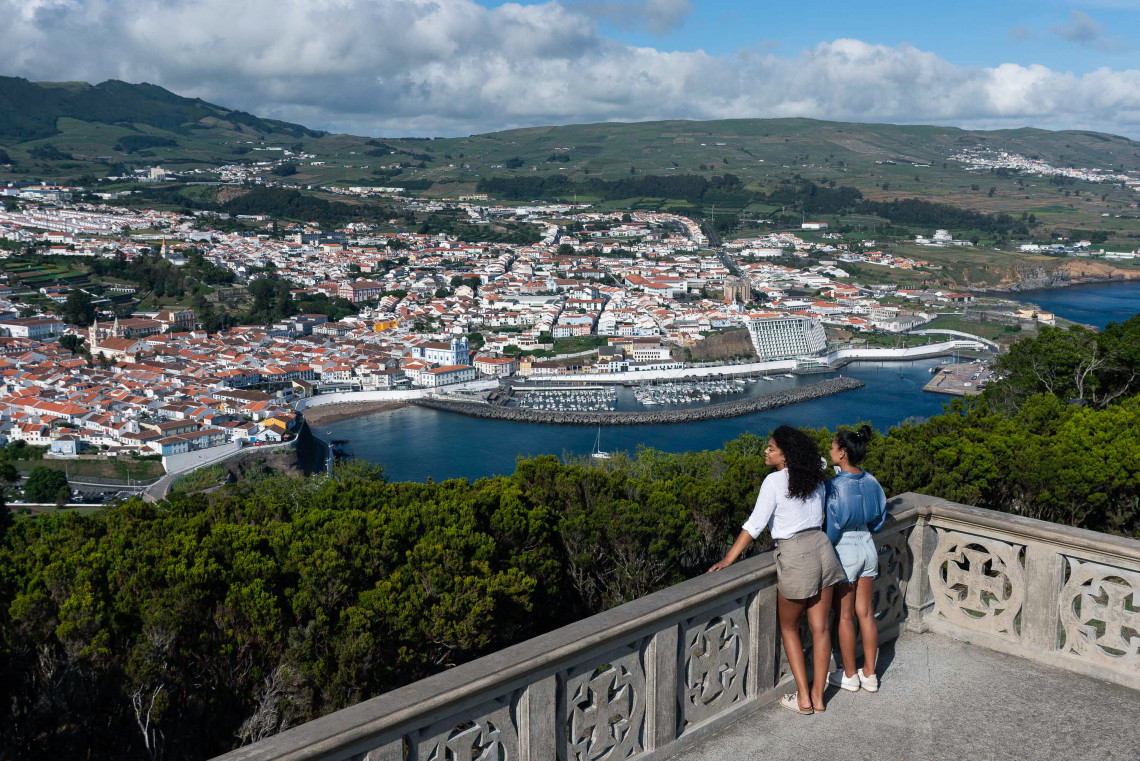
The Fortaleza de São João Baptista, built from the late 16th century, wraps around the base of the mountain. It is still used by the Portuguese Army, and parts of it can be visited on guided tours. The official PRC04TER trail, a 7.5 km circular route, goes around the mountain.
What to eat in Angra
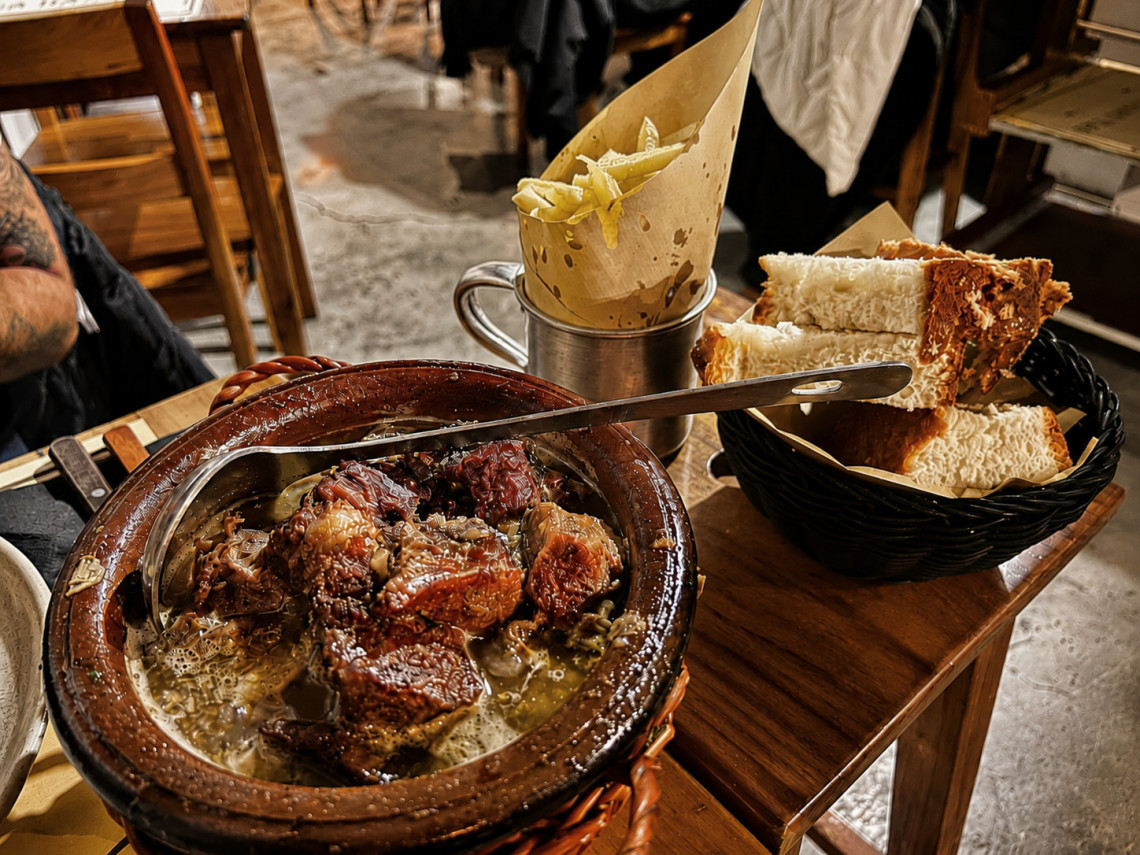
Alcatra is the dish most associated with Terceira: beef slow-cooked in a clay pot with wine, bay leaves and allspice, usually served with sweet bread. For dessert, look for queijadas Dona Amélia, small spiced cakes named after Queen Amélia, who visited the island with King Carlos in 1901.
The Mercado Duque de Bragança, the municipal market in the centre, sells local fruit, cheese and pastries.
Getting to Angra
Terceira’s airport is at Lajes, on the opposite side of the island near Praia da Vitória. Angra is reached by road in under half an hour. The historic centre is best explored on foot, but you will want a car or a tour for Monte Brasil’s summit roads, Algar do Carvão and the rest of the island.