
Sustainable Travel in the Azores: Eco Hotels & Tours
How to travel sustainably in the Azores, the first archipelago certified by EarthCheck: where to stay, low-impact tours, protected areas and practical rules.
May 4, 2021 • 4 min read
Sustainable Travel in the Azores: Eco Hotels & Tours
Why the Azores count as a sustainable destination
The EarthCheck Sustainable Destinations programme audits a destination against criteria recognised by the Global Sustainable Tourism Council, and certification is renewed through regular external audits. The Azores were certified in December 2019 and reached Gold in 2024.
The islands also hold four UNESCO Biosphere Reserves (Corvo and Graciosa since 2007, Flores since 2009 and the Fajãs of São Jorge since 2016), two UNESCO World Heritage Sites (Angra do Heroísmo and the Pico vineyard landscape) and a UNESCO Global Geopark covering all nine islands.
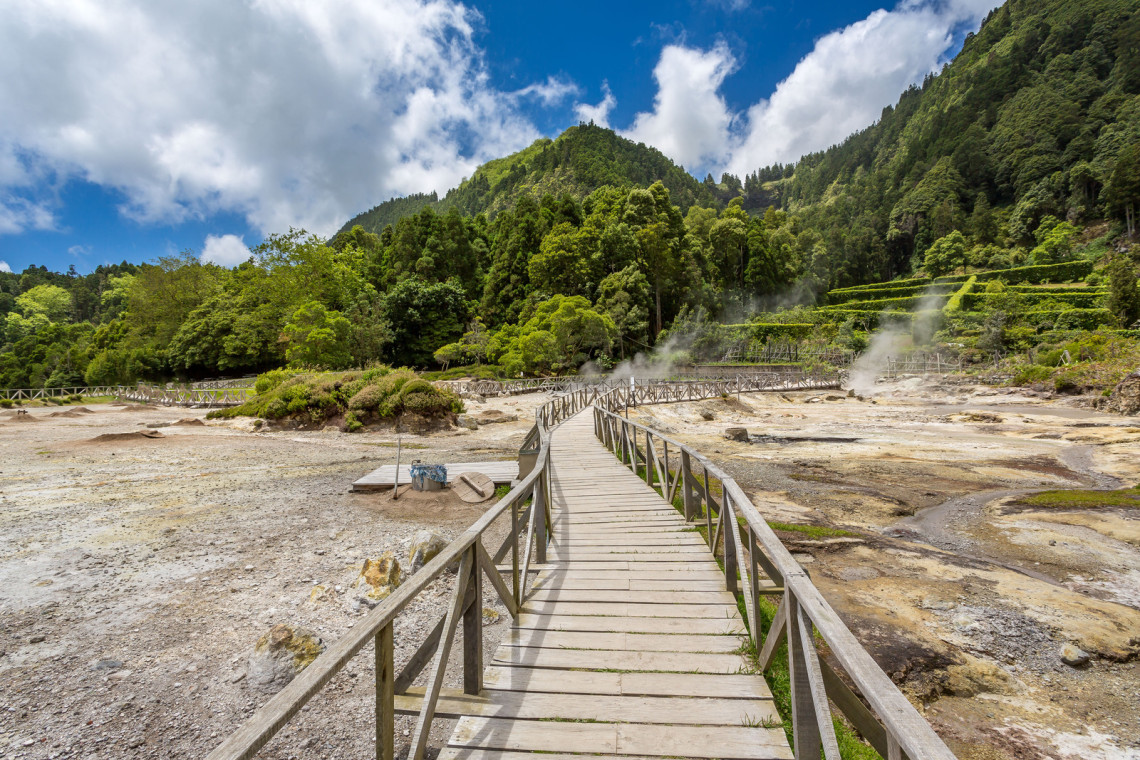
The ocean
In October 2024 the Azores parliament approved a marine protected area network covering 30% of the region's waters, the largest in Europe, half of it fully protected from fishing and extraction. For visitors, the most visible rules apply to whale and dolphin watching: licensed operators, approach distances and time limits near the animals. Choose a licensed boat and follow the skipper's instructions.
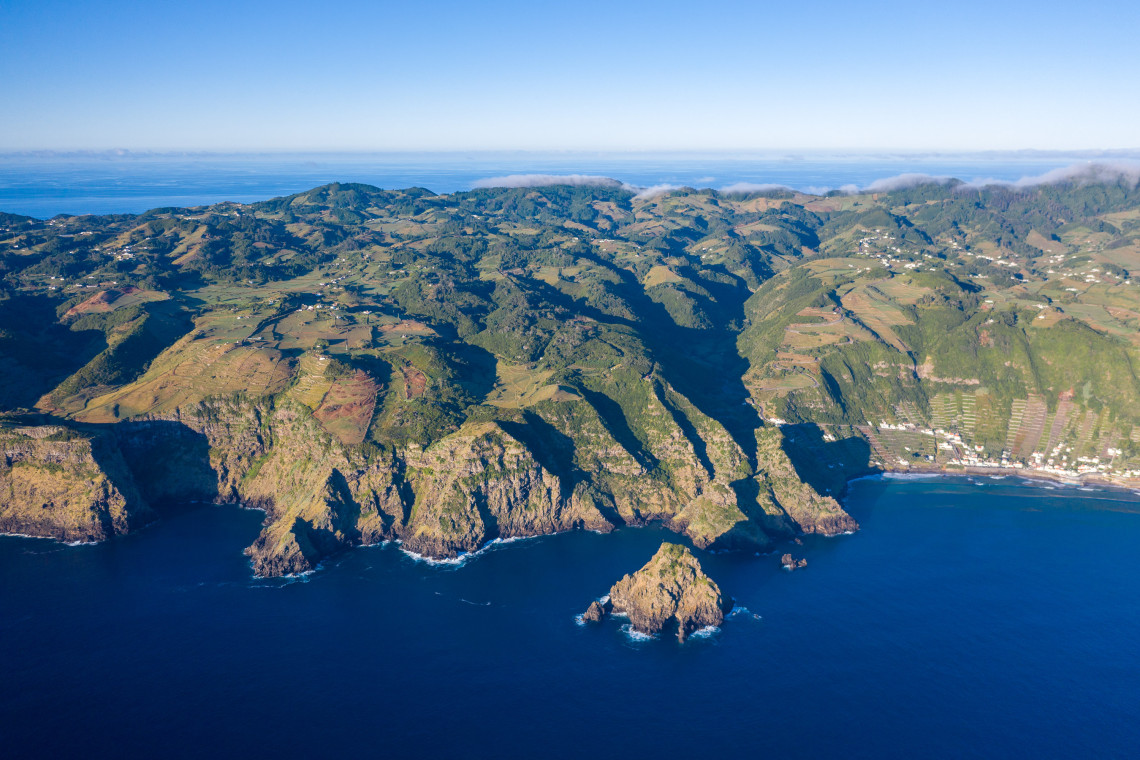
Energy, water and waste
Geothermal plants on São Miguel and Terceira, wind farms on several islands and hydro supply a growing share of the region's electricity. Graciosa runs a wind and solar system with battery storage that lets it switch off its diesel generators for long periods. Tap water is drinkable in the Azores, so bring a refillable bottle, and use the separated recycling bins you will find in villages.

Where to stay
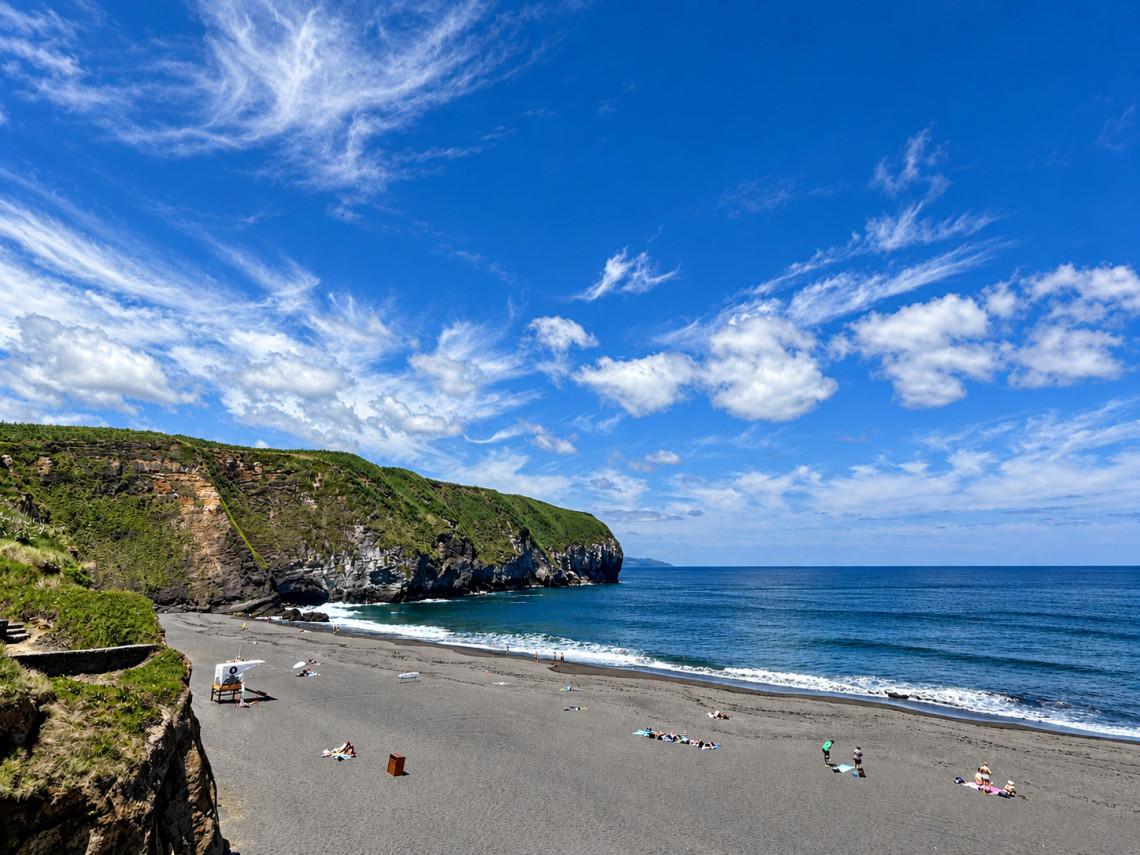
The most sustainable stay is often a small one: rural tourism houses, family guesthouses and restored quintas keep money in the community. Look for recognised certification such as EarthCheck, Green Key or Biosphere, or ask the owner about energy, waste and where breakfast comes from. On São Miguel, Santa Bárbara Eco-Beach Resort on the north coast is one option. Staying in a walkable town such as Ponta Delgada, Angra or Horta cuts driving on days without the car.
Low-impact experiences
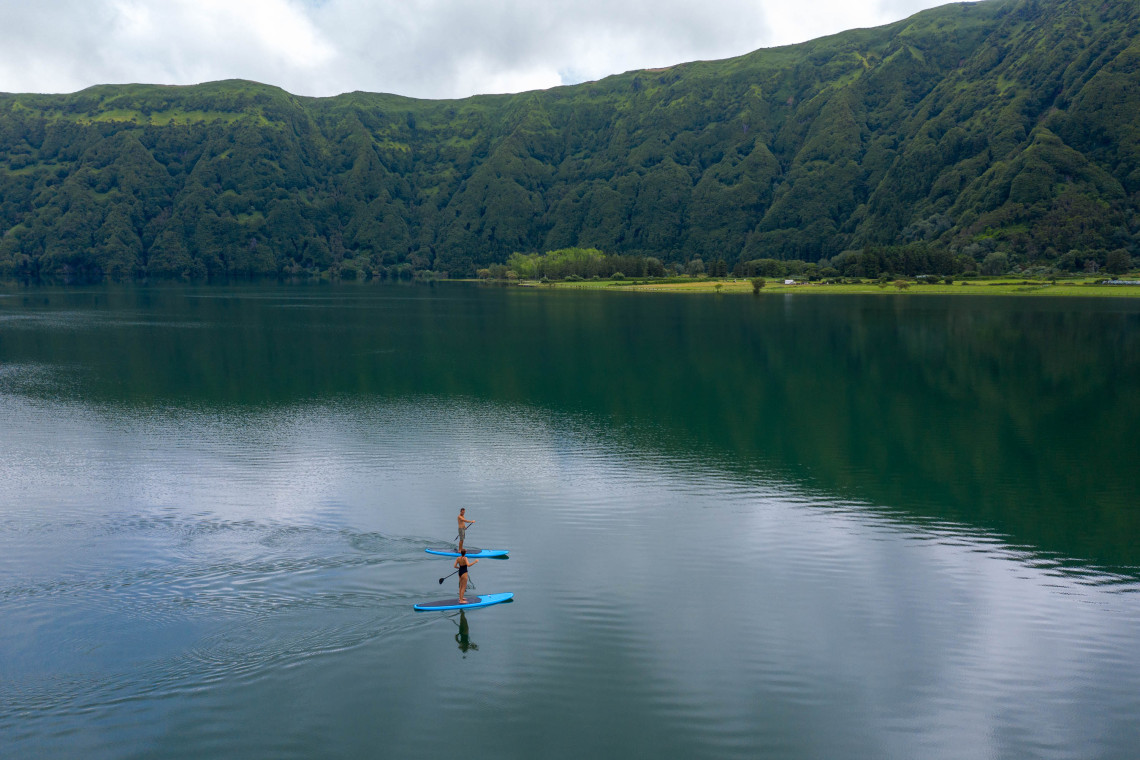
Walk the official trails, marked with PR and GR codes, and stay on them to protect native vegetation. Eat what the islands produce: Azorean beef, São Jorge and Pico cheese, greenhouse pineapple, Gorreana tea and cozido from Furnas. Explore by kayak or paddleboard, and book whale watching, canyoning and diving with licensed operators. See our eco tips.
Getting around with a lighter footprint
A rental car is hard to avoid on São Miguel or Terceira if you want the viewpoints. Pick the smallest car that fits, ask for a hybrid or electric model, and plan days by region. Walk in the towns, and use the ferry between Faial, Pico and São Jorge instead of flying. On a multi-island trip, three or four nights per island means fewer flights.
Practical rules
Stay on marked trails and do not pick plants or take stones. Do not touch or feed wildlife. Use reef-safe sunscreen in natural pools and the sea. Refill a bottle. Follow approach rules on the water. Respect quiet hours in villages and ask before photographing people. Separate your waste, and buy from producers, cooperatives and markets.



