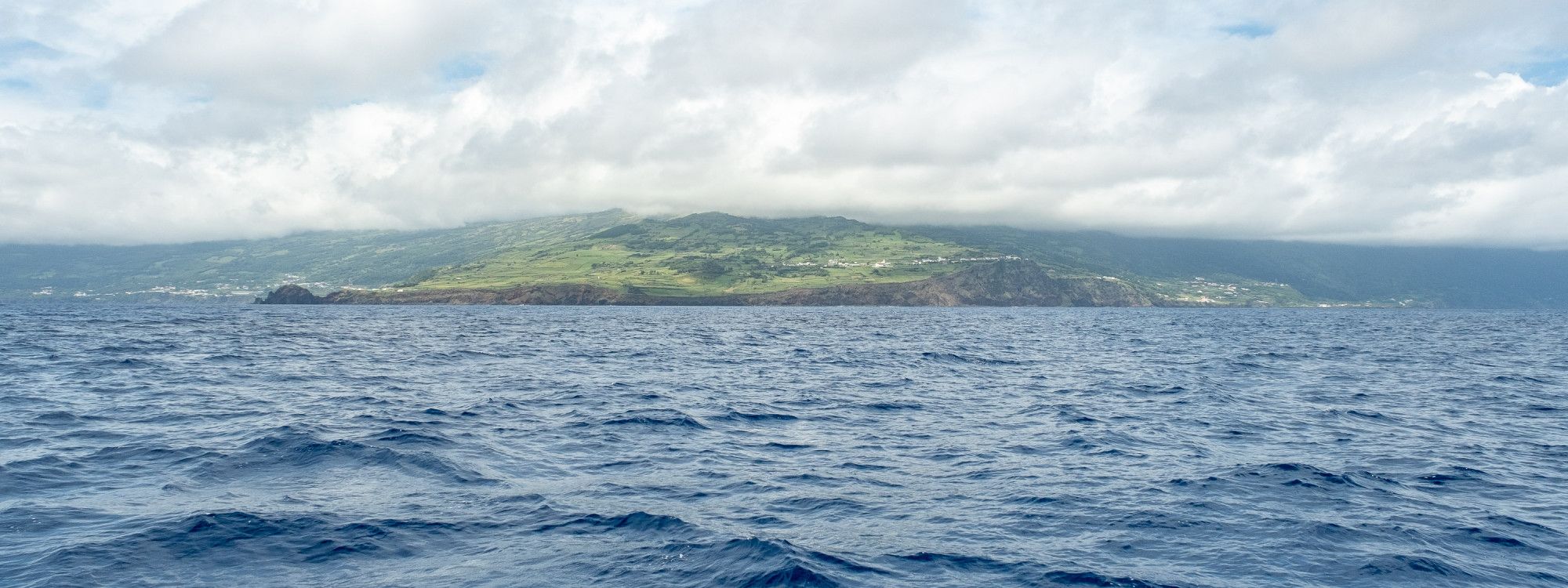
Whale Watching on Pico Island: Season and Tips
Whale watching on Pico Island: departures from Lajes do Pico and Madalena, the best season, the species you can see, the vigias and the whaling history.
June 19, 2024 • 3 min read
Whale Watching on Pico Island: Season and Tips
Whale Watching on Pico at a Glance
Why Pico Is So Good for Whales
The sea floor drops to great depths close to the coast of Pico, where squid, the main prey of sperm whales, live. That brings the whales close to shore, and short boat trips can reach them. For centuries, Pico was also a whaling island, and the same lookouts who once spotted whales for the hunters now guide whale watching boats.
What You Can See
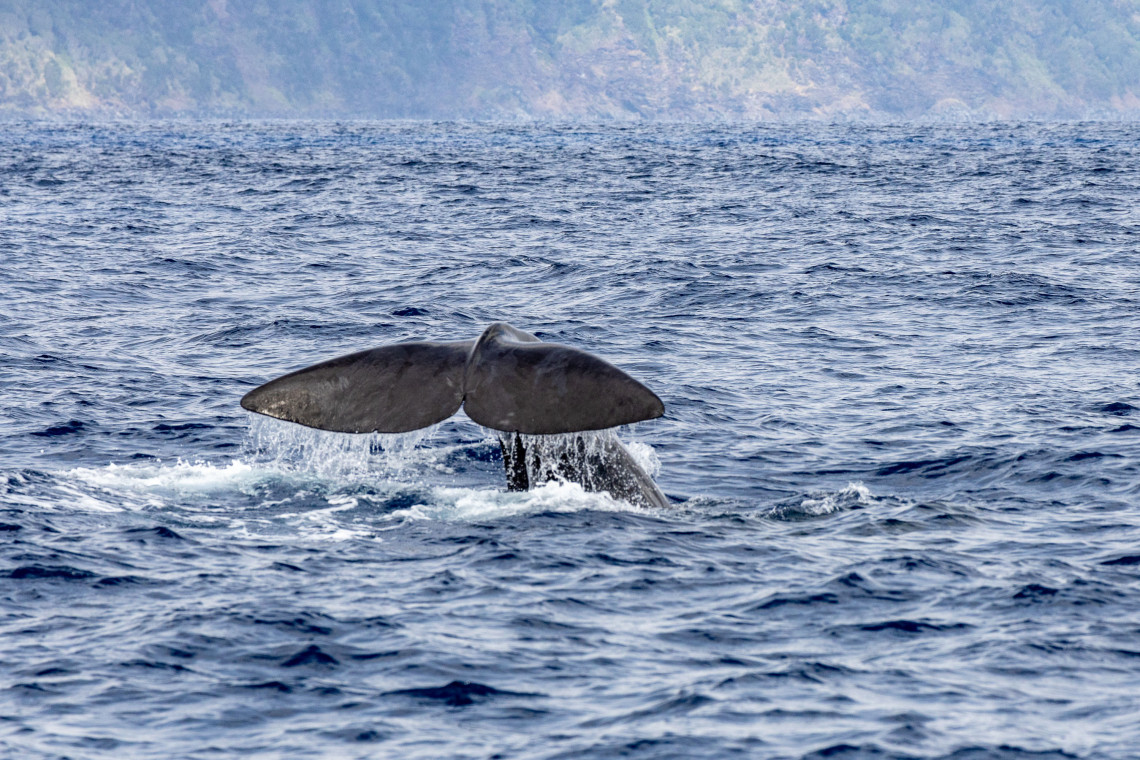
Sperm whales. The largest toothed whale, present all year. They dive deep to hunt and surface to breathe, often lifting their tail as they dive.
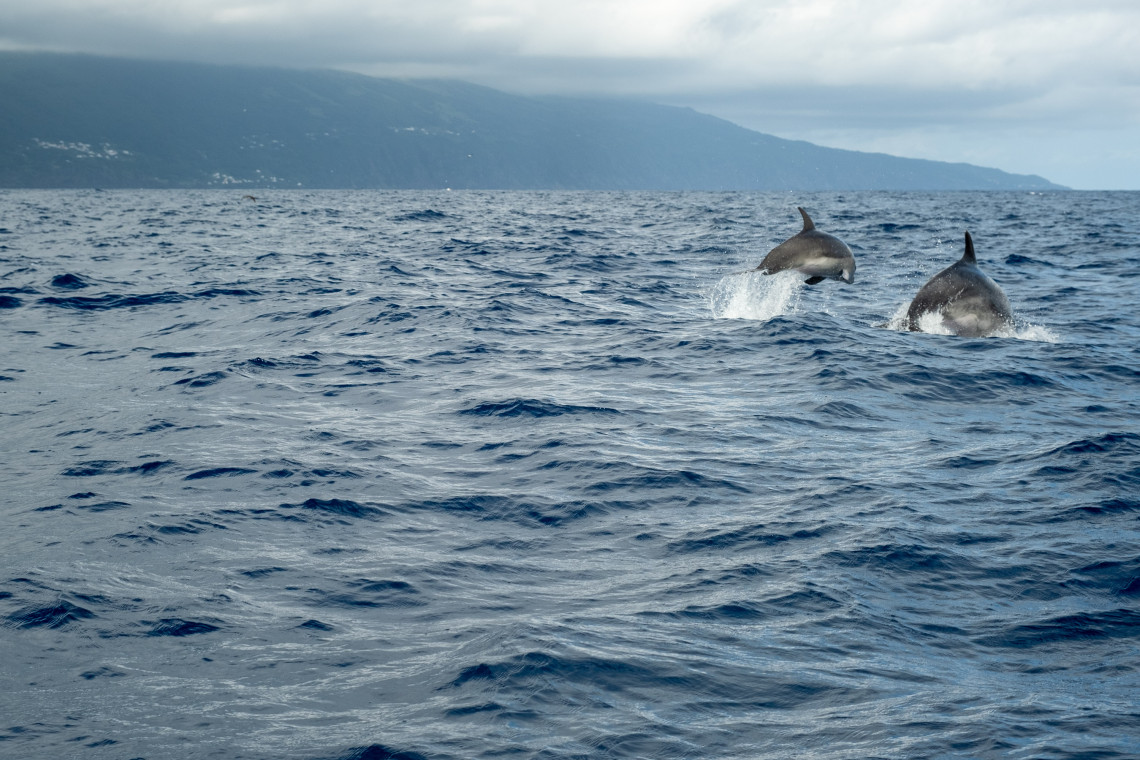
Dolphins. Common, bottlenose, spotted and Risso's dolphins are among the species often seen.
Baleen whales. Blue, fin and sei whales pass by on their migration, mainly in spring.
The Whaling History of Pico
Whaling was part of life on Pico for generations, with open boats rowed out from the coast when the lookouts spotted a whale. It ended in the Azores in the 1980s. In Lajes do Pico, the Whalers' Museum shows the boats, tools and scrimshaw of that time, and is worth a visit before or after a trip.
Tips
Book early. Summer trips fill up quickly.
Weather. Trips are moved when the sea is rough. Keep your plans flexible.
Seasickness. Take precautions if you are prone to it.
Respect. Operators follow rules on distance and time near the animals.