Book with an Expert 020 3936 2299
Pico UNESCO Vineyards: Visiting the Lava Landscape

Pico UNESCO Vineyards: Visiting the Lava Landscape

A guide to the UNESCO-listed vineyard landscape of Pico Island: how the lava-walled currais were built, where to see them and how to taste Pico wine.

MP
Mariana P.

December 28, 2020 • 3 min read

Pico UNESCO Vineyards: Visiting the Lava Landscape

🍇 THE SHORT VERSION

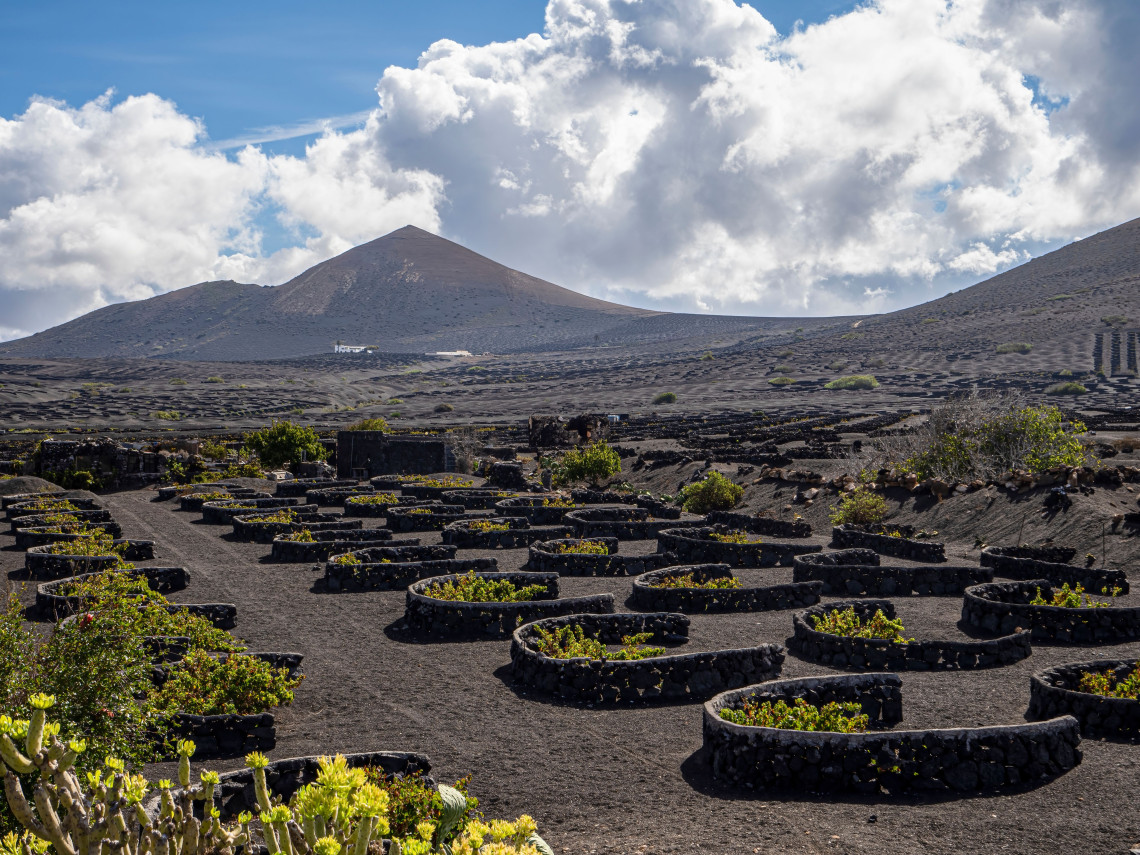
The Landscape of the Pico Island Vineyard Culture was inscribed as a UNESCO World Heritage Site in 2004. It covers 987 hectares on the western side of Pico, around Madalena and parts of São Roque do Pico, where vines grow inside thousands of small enclosures of black lava stone, called currais, built to shelter them from wind and salt.

The best places to see it are the vineyards of Criação Velha near Madalena, with the red Moinho do Frade windmill, and the village of Lajido de Santa Luzia on the north coast, which has an interpretation centre. Add the Wine Museum in Madalena and a tasting of Pico wines.

The UNESCO Site at a Glance

NameLandscape of the Pico Island Vineyard Culture
Inscribed2004
Area987 hectares on the west of Pico
Main areasCriação Velha and Lajido de Santa Luzia
What it protectsLava-walled vineyards, wine houses, windmills, paths and small ports


Traditional vineyards planted across dark volcanic terrain on Pico Island, with vines encl
Vineyards planted among dark volcanic stone walls on Pico

Why the Vineyards Are Special

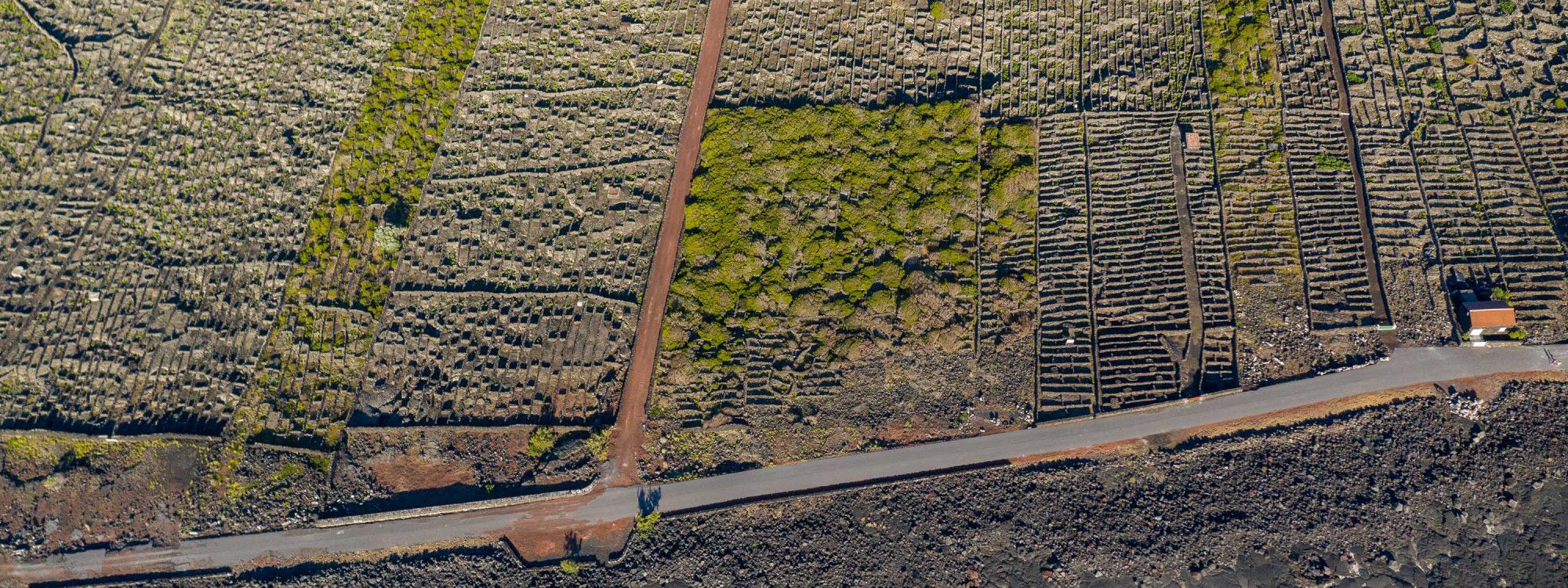
There is almost no soil on this part of Pico, only lava. Over generations, people broke up the rock, piled it into long walls and divided the land into small squares, the currais, each sheltering a few vines from the Atlantic wind and salt spray. The result is a vast grid of walls running down to the sea, along with the wine houses, cellars, windmills, paths and small ports used to work the land and ship the wine.

Criação Velha

Just south of Madalena, Criação Velha is the easiest part of the site to visit. A short official trail crosses the vineyards to the red Moinho do Frade windmill, with Mount Pico behind it on a clear day.
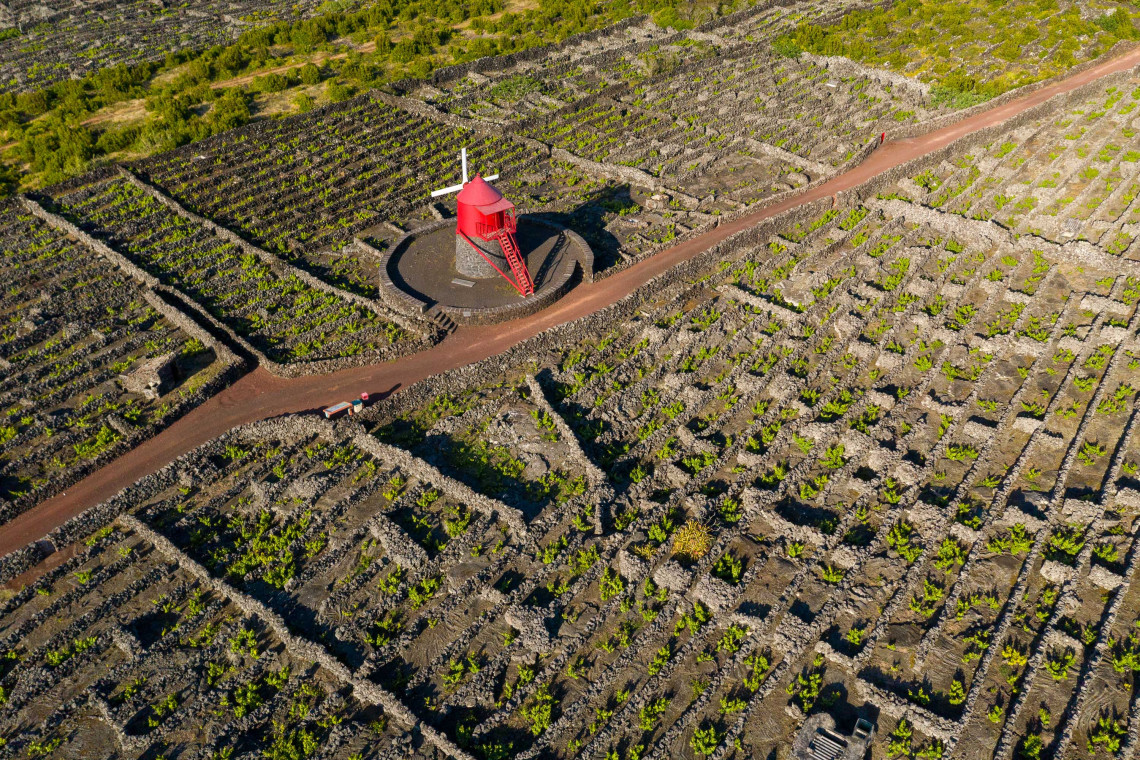
 

Aerial view of the red Moinho do Frade surrounded by basalt-walled vineyards in Criação Ve
The red Moinho do Frade among the vineyards, from above

Lajido de Santa Luzia

On the north coast, Lajido is a village of black stone houses and wine cellars set in the lava, with a small interpretation centre that explains how the landscape was built and used.

Wine on Pico

The traditional wine of Pico is made from white grapes such as Verdelho, which once gave the island a fortified wine known abroad. Today, producers make dry whites and fortified wines from the lava vineyards. The Wine Museum in Madalena tells the story, and several producers offer tastings.
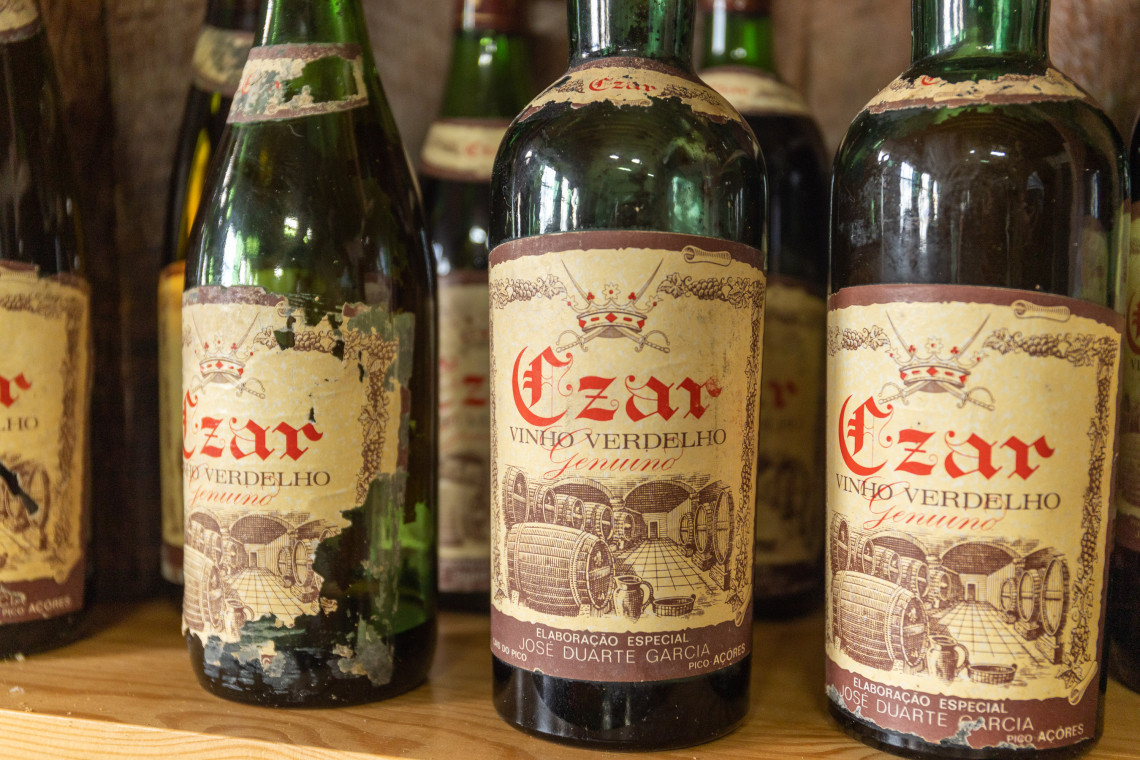
 

Historic bottles of Verdelho wine displayed at the Museu do Vinho in Madalena, representin
Historic bottles of Verdelho wine


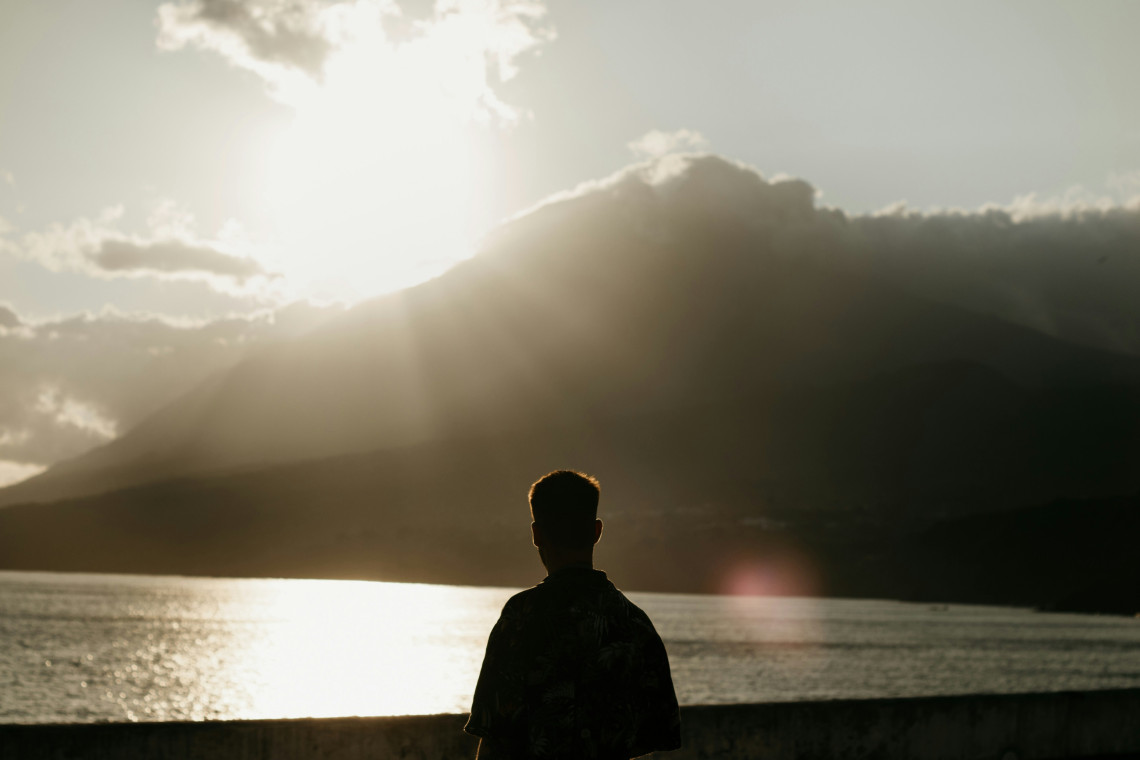
Silhouetted traveler looking toward Mount Pico as sunlight breaks through clouds above the
A traveler looking toward Mount Pico at dusk

Tips for Visiting

Walk. The best way to understand the landscape is on foot, on the Criação Velha trail or around Lajido.

Respect. The walls and vineyards are private and working land. Stay on paths and do not climb the walls.

Harvest. The grape harvest takes place in late summer and early autumn.

🍷 PICO AND SÃO MIGUEL FOOD & WINE

Carolina's Choice: wine, food and landscapes on Pico and São Miguel, with flights, hotels and a car.

See the Pico & São Miguel food and wine package →

Plan it your way

Custom Your Trip

Tell our local travel advisors which islands, dates and experiences you want and we build the itinerary around you.

Start your custom trip →

Limited time

Azores Packages On Sale

Flights, hotels and rental car bundled at reduced prices. See every package currently on sale and book while it lasts.

Book now →

Frequently Asked Questions

Why are the Pico vineyards a UNESCO site?
Where can you see the Pico vineyards?
What wine is made on Pico?
When is the grape harvest on Pico?

Keep Reading