Climbing Mount Pico: Route, Rules and Tips
How to climb Mount Pico, the highest point in Portugal: the route from the Casa da Montanha, registration and GPS rules, timing, guides and night climbs.
November 2, 2020 • 4 min read
Climbing Mount Pico: Route, Rules and Tips
Mount Pico at a Glance
Figures and rules come from the official Mount Pico website run by the regional government. Check it before your climb, because the rules and opening hours can change.
Registration and Rules
Authorization. Get it at the Casa da Montanha, the Pico Nature Park office or the Madalena fire station, or book online on the official Mount Pico platform.
GPS tracker. Every climber receives one and must return it at the end. You also report back at the Casa da Montanha when you finish.
Capacity. The trail has a limit of 160 people at a time and 320 per day, and the top of Piquinho takes 30 people at a time for up to 20 minutes each.
Timing. Start the descent at least four hours before sunset.
Required gear. At least 1.5 liters of water, food and hiking boots or closed shoes with grip. A flashlight at night, and crampons if there is snow or ice.
Children. Children aged 5 to 16 must climb with a parent or guardian.
The Route
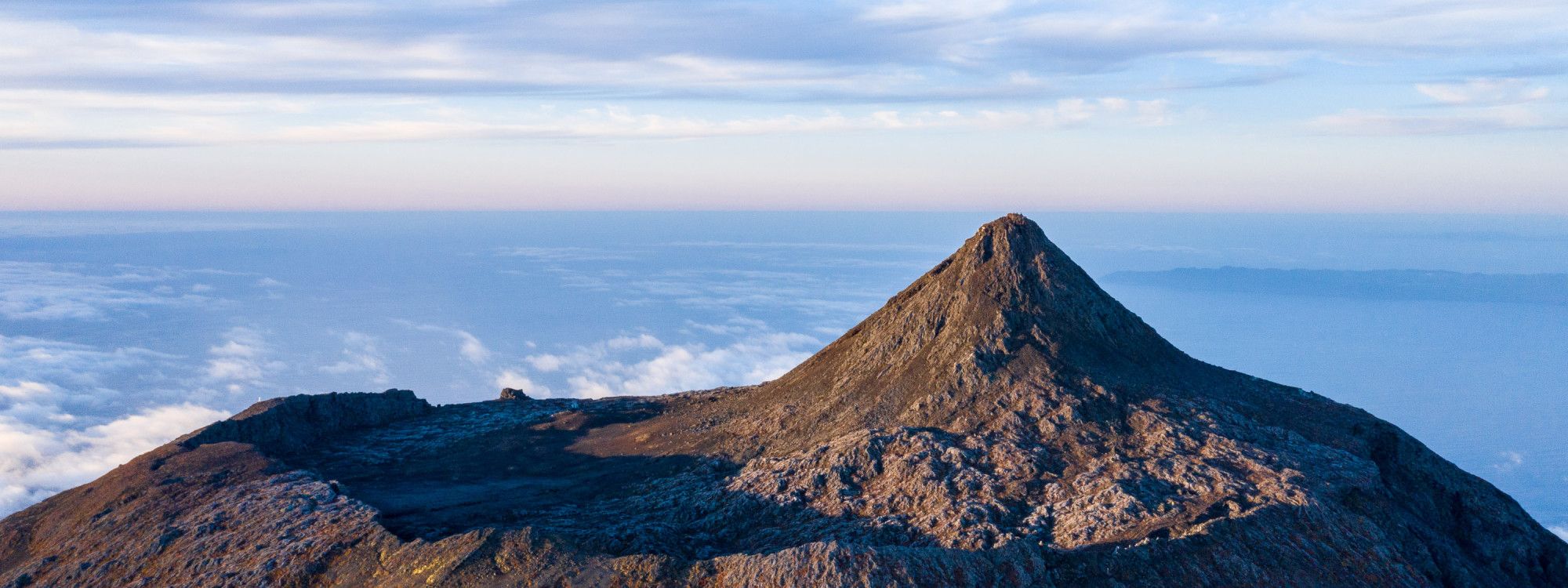
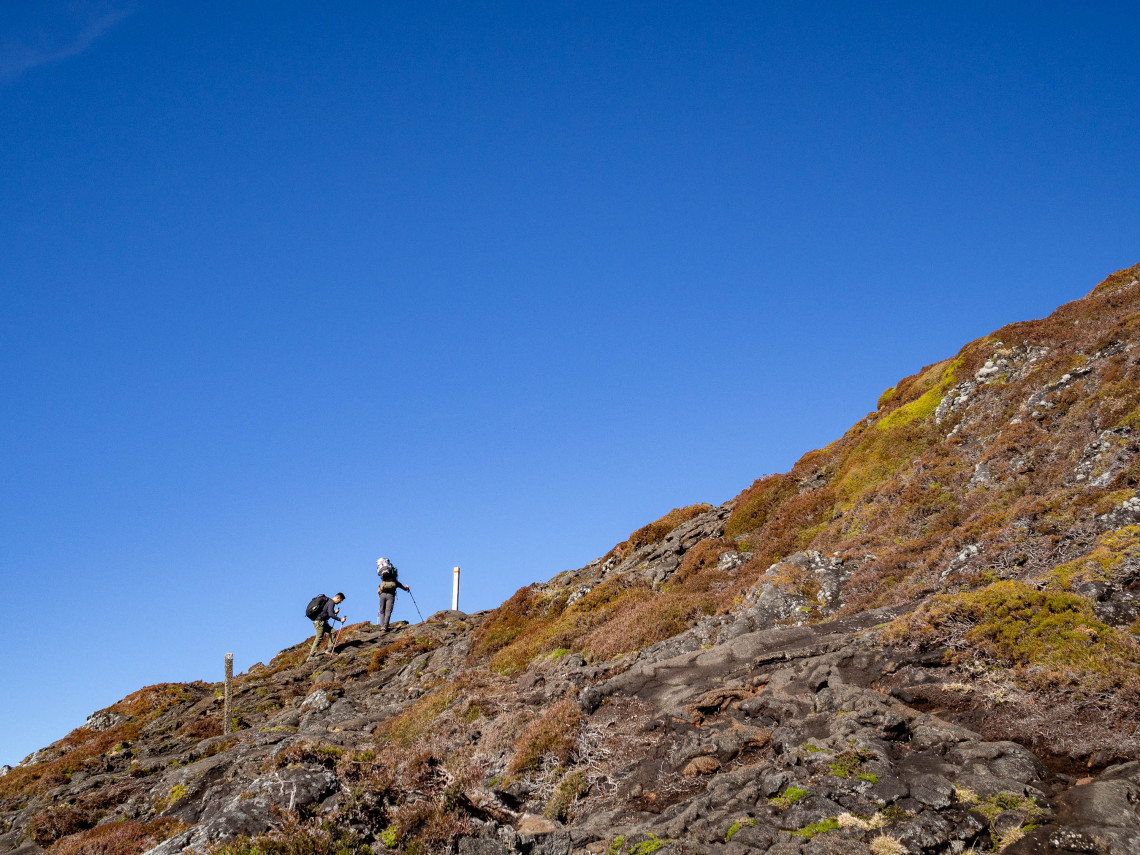
The trail is marked by 47 numbered posts. It climbs steeply over loose volcanic rock and lava to the rim of the crater, then crosses the crater to the base of Piquinho, the small cone that forms the true summit. The last section is a short scramble over rock. If you cannot see the next post within 30 minutes, go back to the last one.
Guided Climbs and Night Climbs
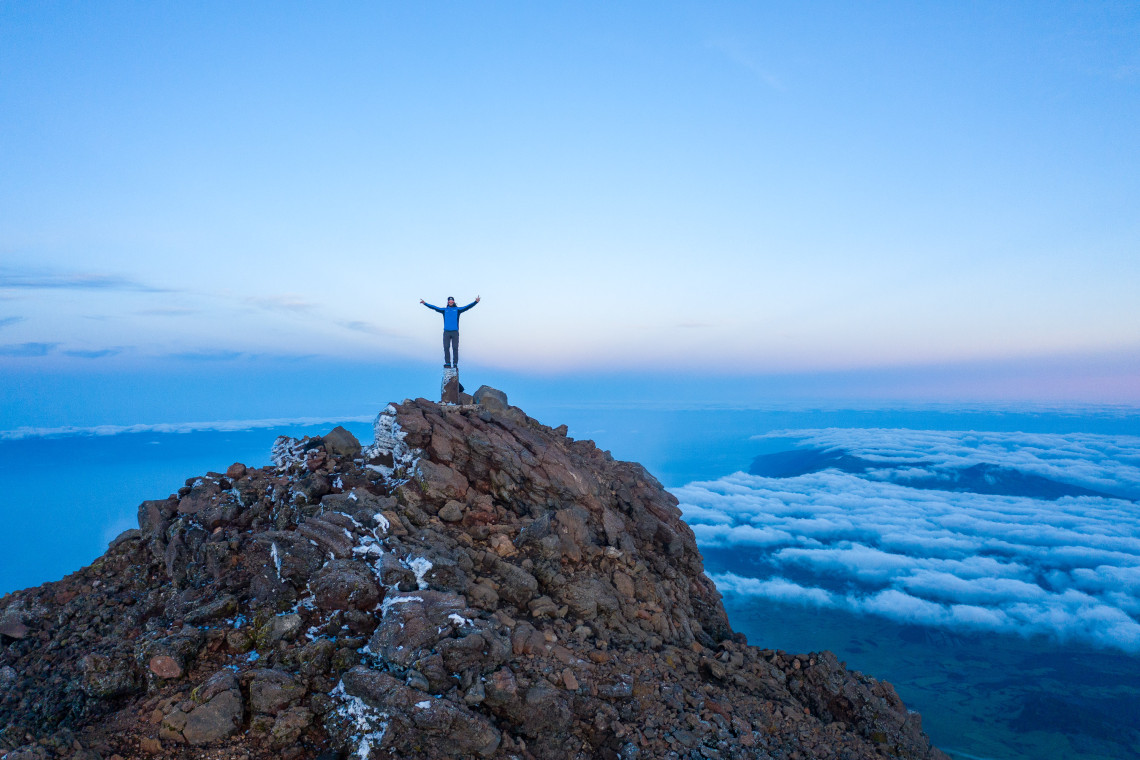
A guide is not mandatory during the opening hours of the Casa da Montanha, but a guided climb takes care of registration, pace and route finding. Night climbs, timed to reach the summit for sunrise, are popular in summer. You can also spend the night in the crater with a reservation, a tent, a sleeping bag and warm clothing.
When to Climb
The Casa da Montanha is open 24 hours from May to September, with shorter hours in April and October and daytime hours from November to March. Summer has the most settled weather, but the summit can be cold and windy in any month. Only climb when the forecast is clear: in cloud, there is no view and the route is harder to follow.
Tips
Fitness. The climb is steep and long. You should be used to hiking several hours on rough ground.
Layers. The summit is much colder than the coast. Bring a warm layer, a windproof jacket, a hat and gloves.
Respect. The mountain is a nature reserve. Do not collect rocks or plants, stay on the trail and take your rubbish down.



