Azores Food Guide: What to Eat and Drink
Azores food guide: cozido das Furnas, alcatra, limpets, São Jorge cheese, Pico wine, pineapple and tea, with the island each comes from.
October 31, 2019 • 7 min read
Azores Food Guide: What to Eat and Drink
What makes Azorean food different
The islands lie more than 1,400 km from Lisbon in the North Atlantic, and the food reflects isolation and farming. Cattle graze outdoors almost all year, so beef is good and dairy is everywhere. The deep sea close to shore brings tuna, wreckfish, parrotfish, limpets and barnacles. Volcanic soil grows yams, tea, pineapples under glass and vines in cracks of lava, and the geothermal heat of Furnas cooks the best-known dish.
Cooking is rural and generous, shaped by farming and fishing families and the Holy Spirit festivals held from spring to late summer. Seasoning leans on garlic, bay leaf, allspice and local red pepper. Several products have EU protected status, including São Jorge and Pico cheese, Azores pineapple, São Miguel passion fruit, Azores honey and Azores beef.
Starters and small plates
Lapas (limpets)
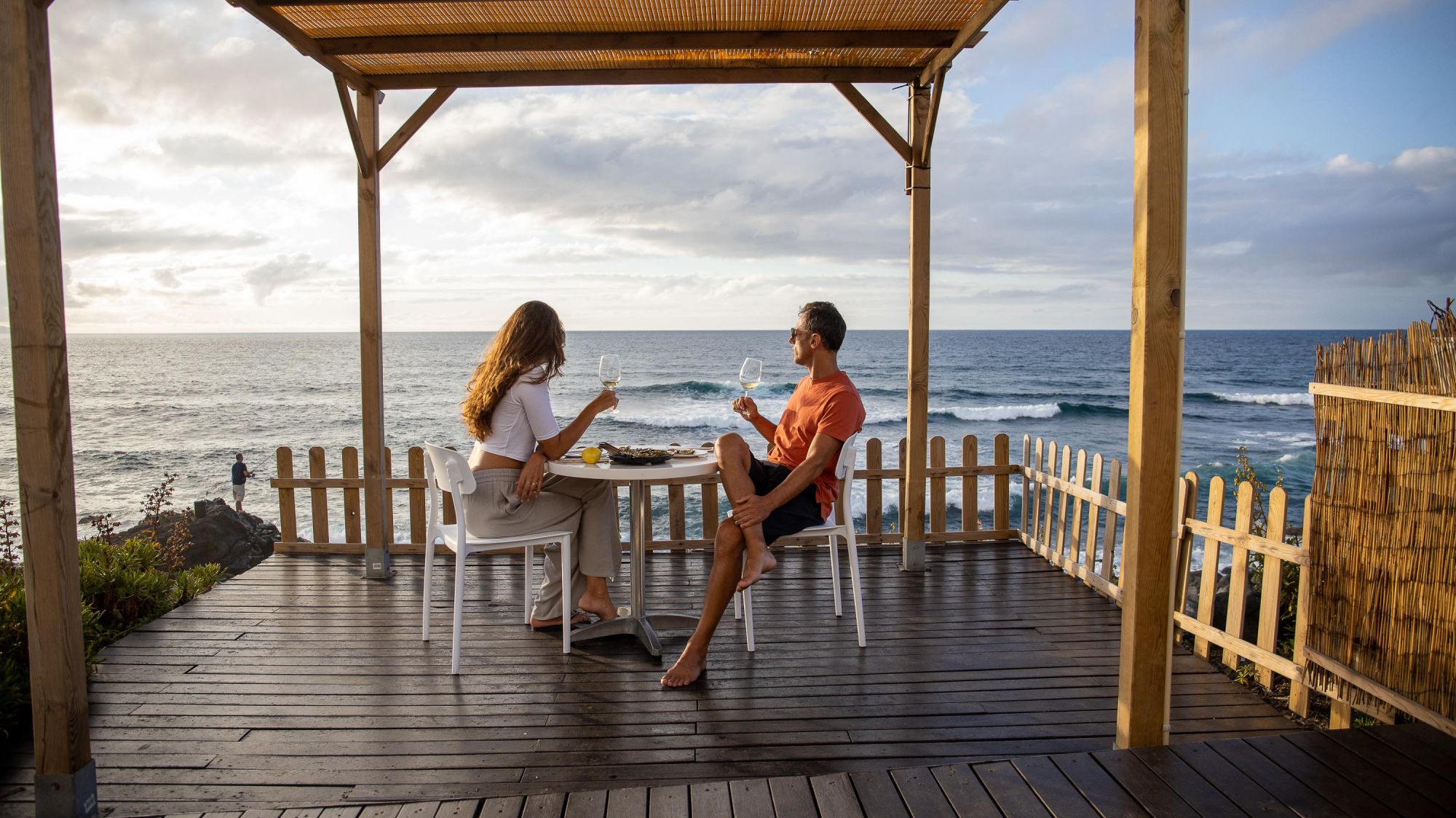
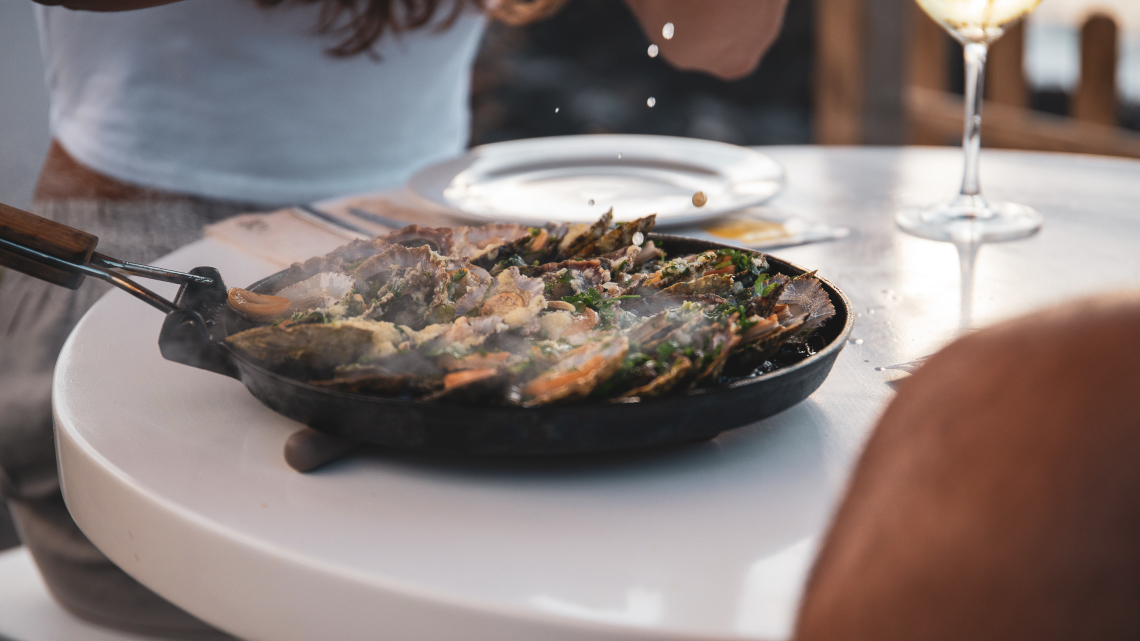
The classic Azorean starter: limpets grilled in their shells with garlic butter and red pepper paste, served sizzling on a metal tray, with bread for the butter. Harvesting is regulated with closed seasons, so in some months they are frozen; ask if you want them fresh.
Cracas (barnacles)
Large barnacles boiled in seawater; you pull the animal out with a pin. Mostly found on Terceira and São Miguel, mostly in summer.
Fresh cheese with pimenta da terra
Many restaurants bring a fresh white cheese and a small dish of pimenta da terra, a salted red pepper paste, to the table. It is charged as a starter, but it is cheap.
Morcela and chouriço
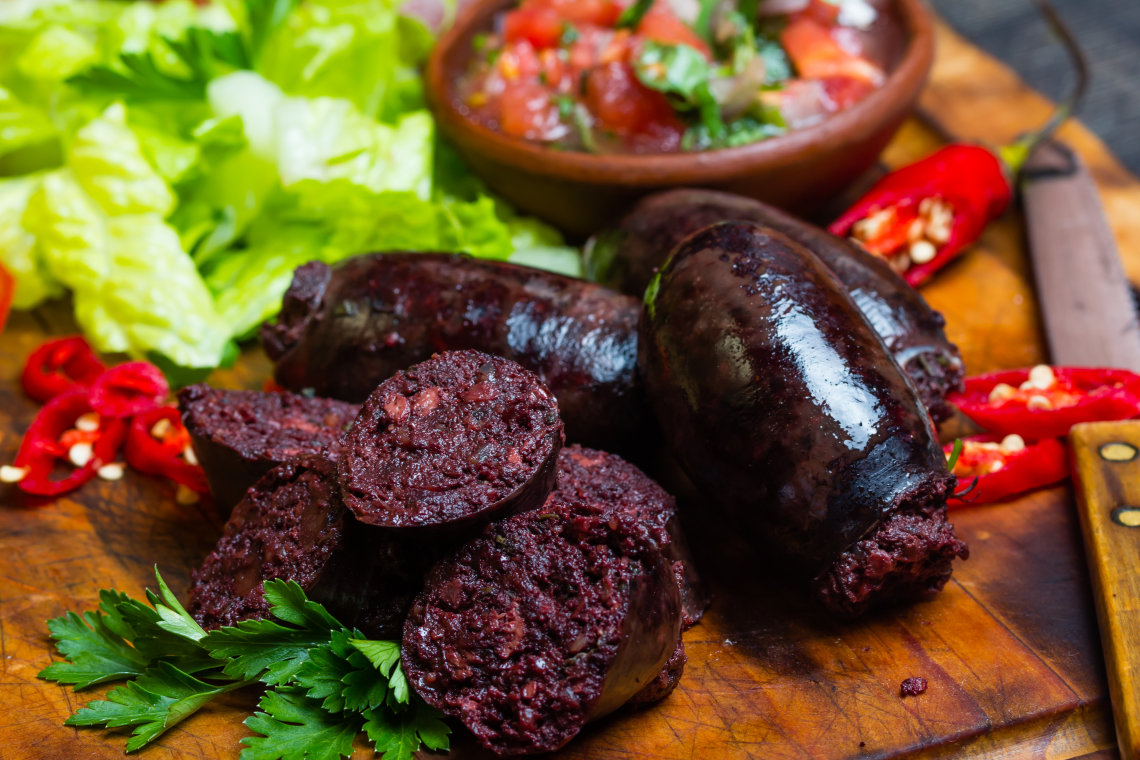
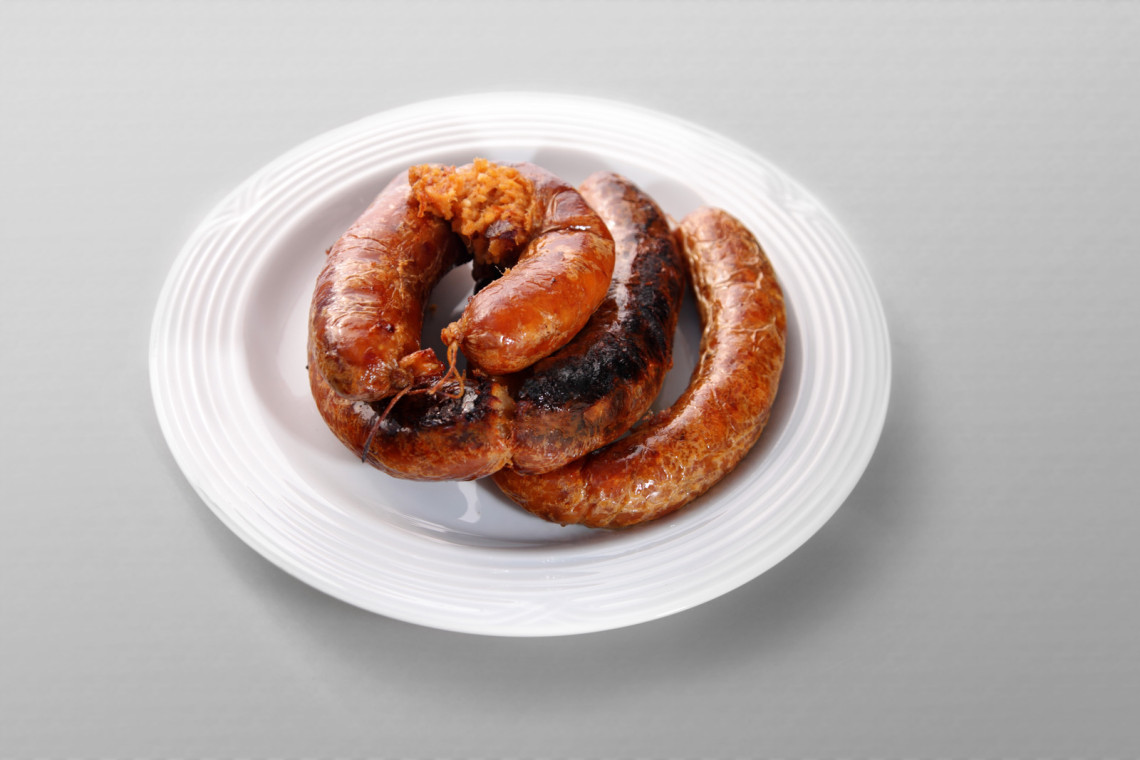
Azorean blood sausage is grilled or fried and on São Miguel often served with fresh pineapple. Chouriço goes into cozido and alcatra and is also grilled on its own.
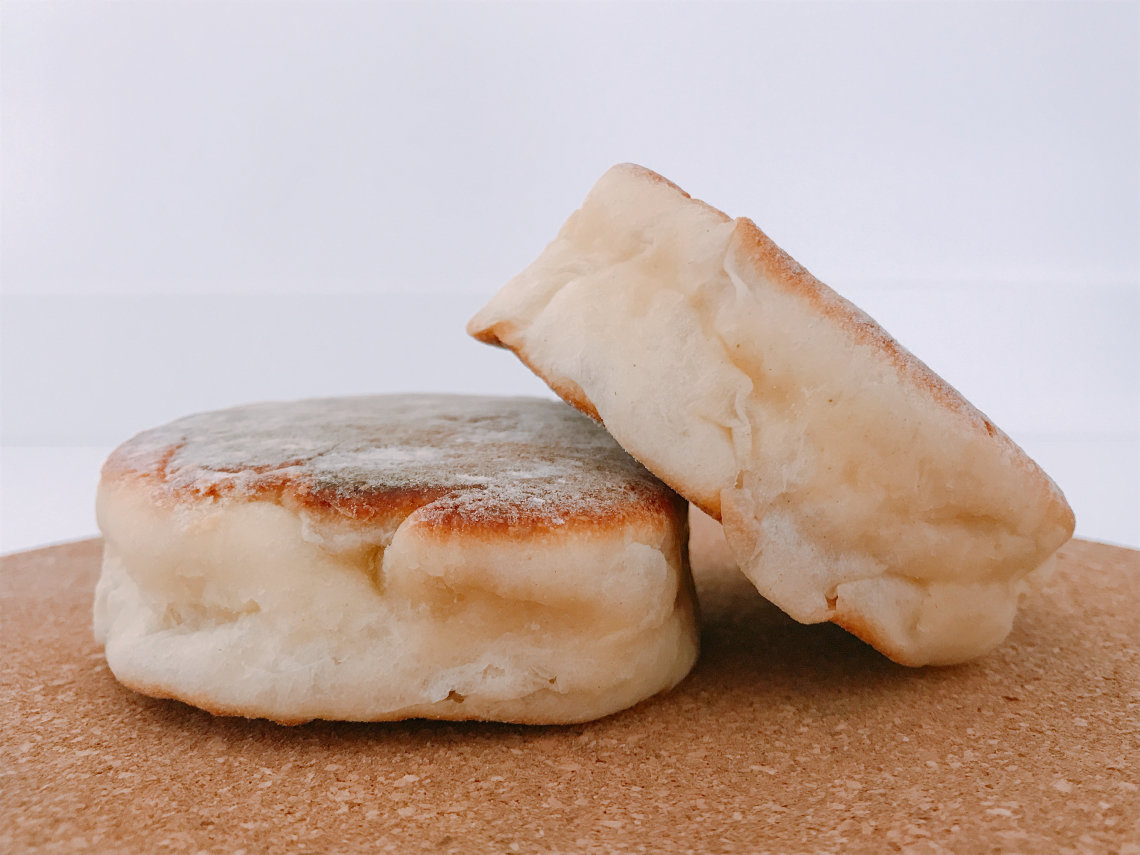
Bolo lêvedo
A soft, slightly sweet griddled muffin from Furnas, eaten with butter at breakfast or as a sandwich bread.
Fish and seafood
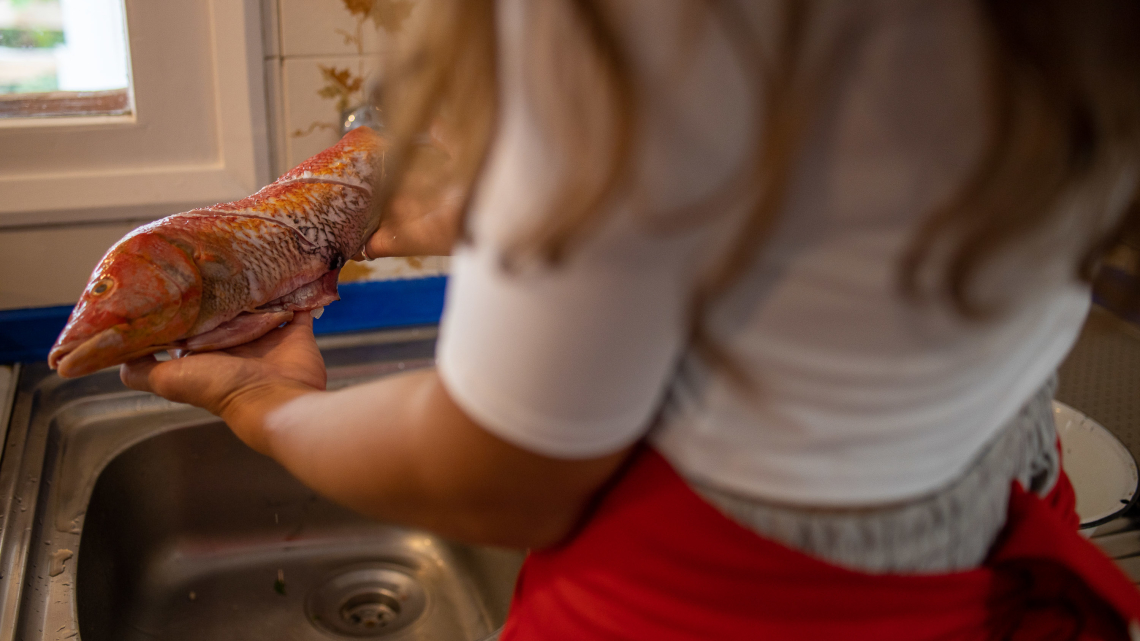
Fish is usually grilled with coarse salt and olive oil. Depending on the day, expect tuna (landed from spring to autumn), wreckfish (cherne), parrotfish (bodião), forkbeard (abrótea), jack mackerel (chicharro), red sea bream (pargo), black scabbardfish (espada) and blackspot sea bream (goraz). Azorean tuna is caught by pole and line.
Caldeirada de peixe
A layered fish stew with potatoes, onion, tomato, peppers and white wine. Every island and every cook makes it differently.
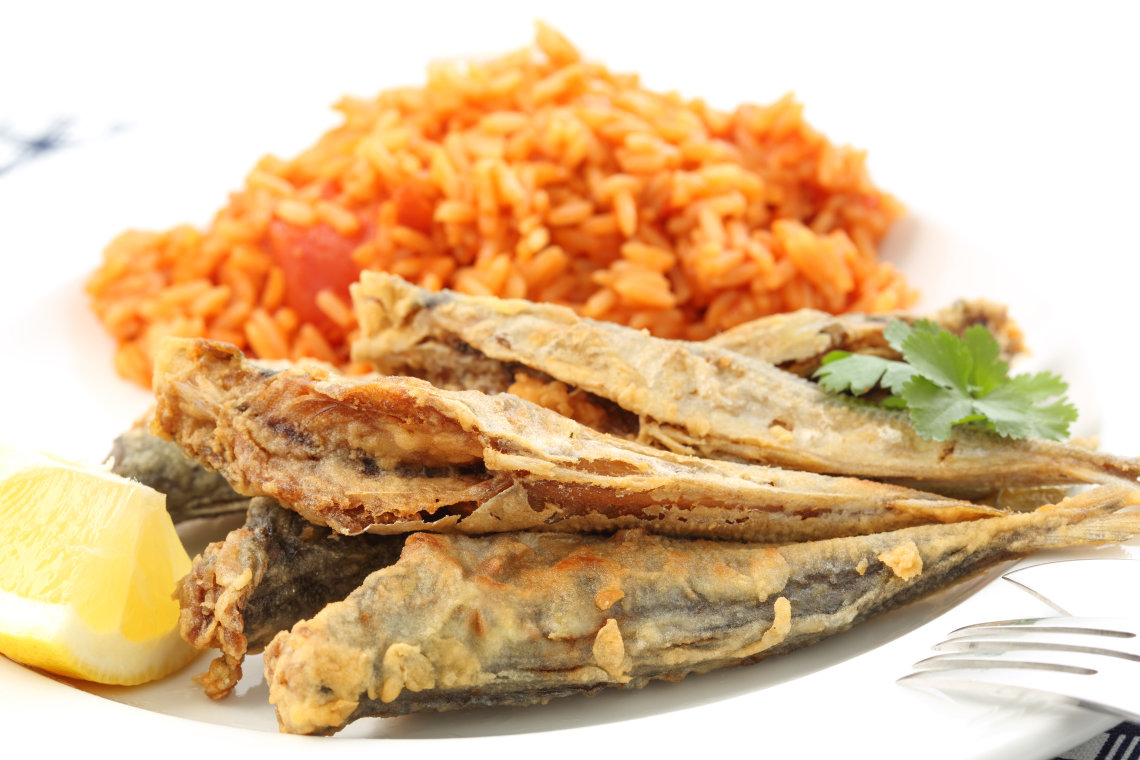
Chicharros fritos with molho de vilão
Small jack mackerel fried whole and served with a vinegar, garlic and pepper sauce. A classic of Terceira.
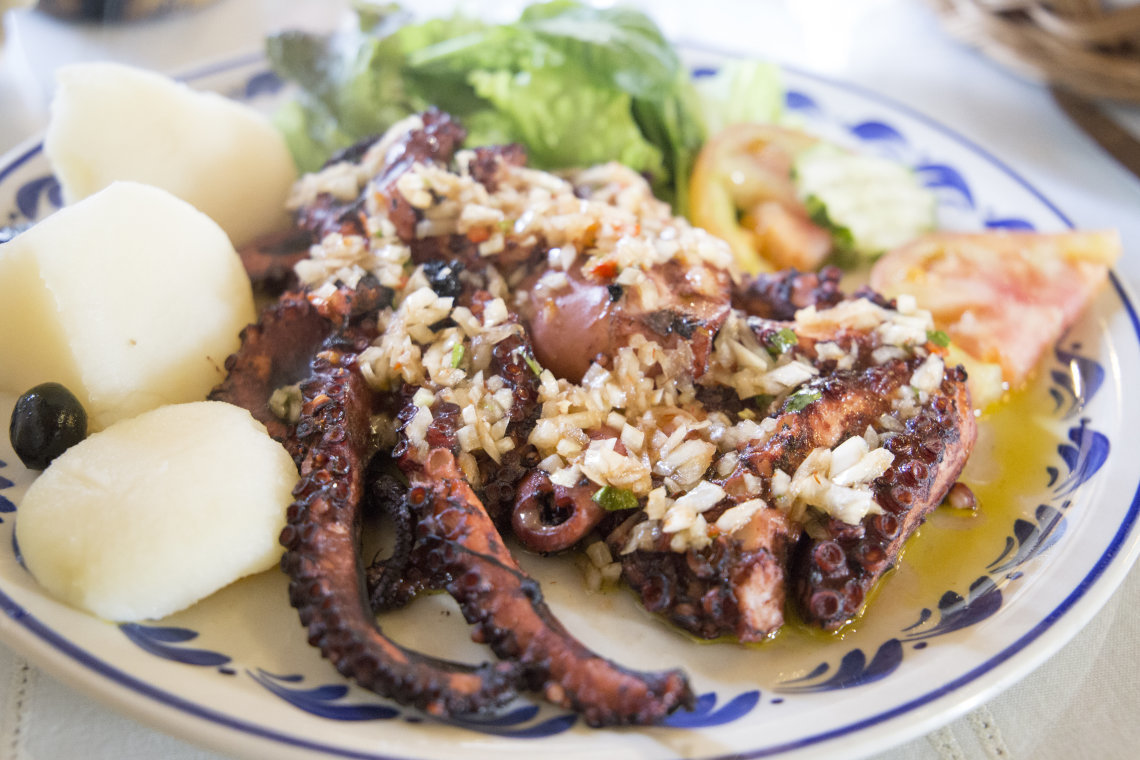
Polvo guisado
Octopus stewed in vinho de cheiro with onion, garlic and allspice until tender, common on Pico, Terceira and São Miguel.
Meat
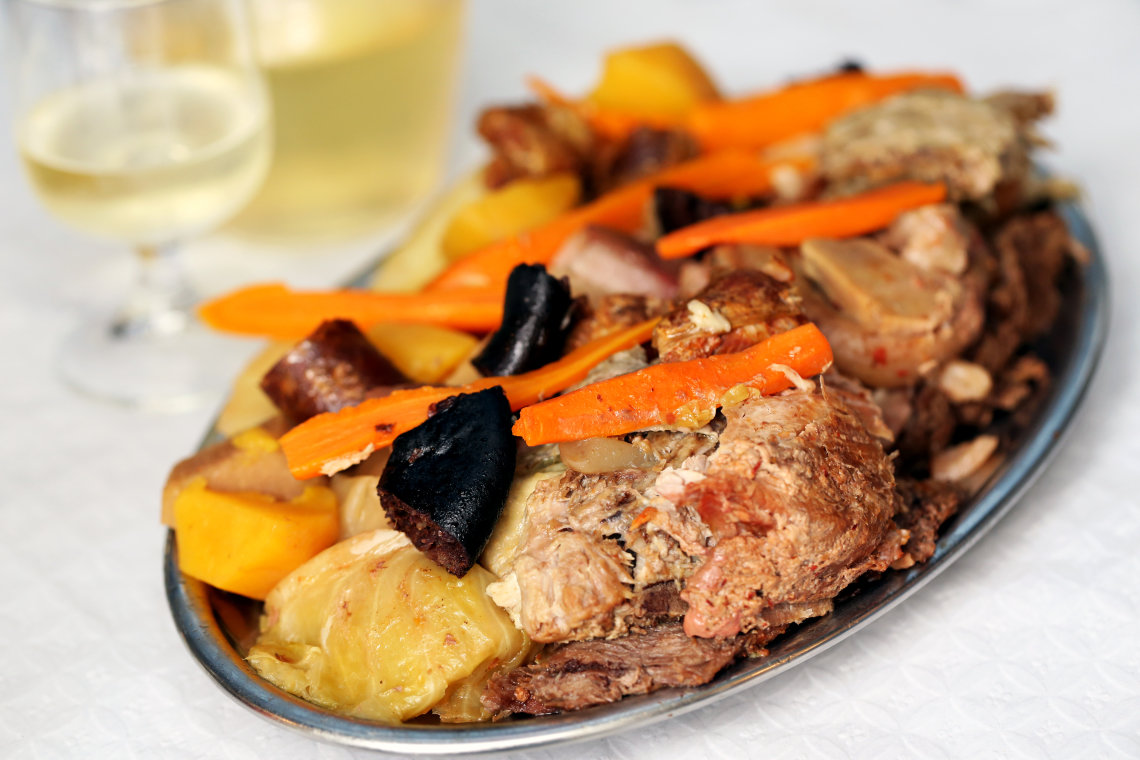
Cozido das Furnas
Beef, pork, chicken, chouriço, morcela, cabbage, potatoes, sweet potatoes and yams layered in a tall pot and lowered into the hot ground beside Lagoa das Furnas, where it cooks in volcanic steam for about six hours. The pots go in early and come out around midday, and watching them lifted out is part of the visit. Several restaurants in Furnas village serve it; book ahead from June to September, as each cooks a limited number of pots.
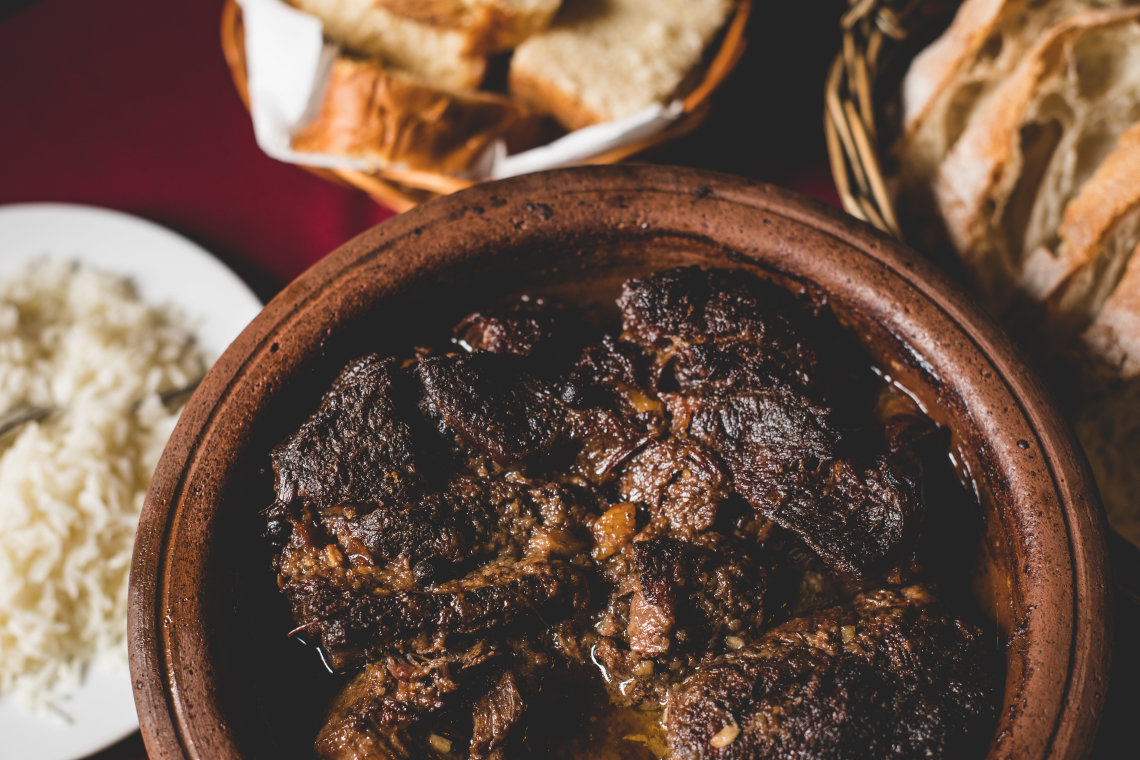
Alcatra of Terceira
Beef baked for hours in an unglazed clay pot with onion, garlic, bay leaves, allspice, bacon and wine, until it falls apart. It is served with massa sovada, the sweet Azorean bread, and is tied to the Holy Spirit festivals. Restaurants in Angra do Heroísmo serve it daily; fish alcatra also exists.
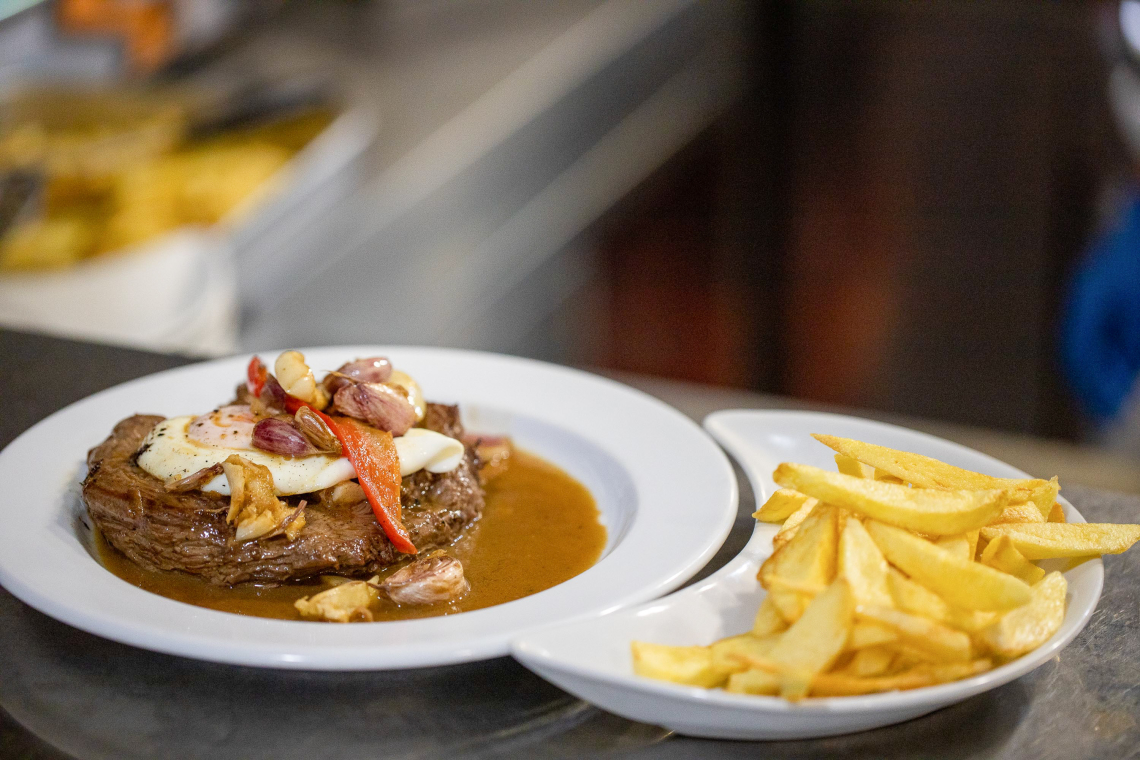
Bife à regional
A steak pan-fried in butter and garlic, topped with a fried egg and served with fries or rice. It is on almost every menu.
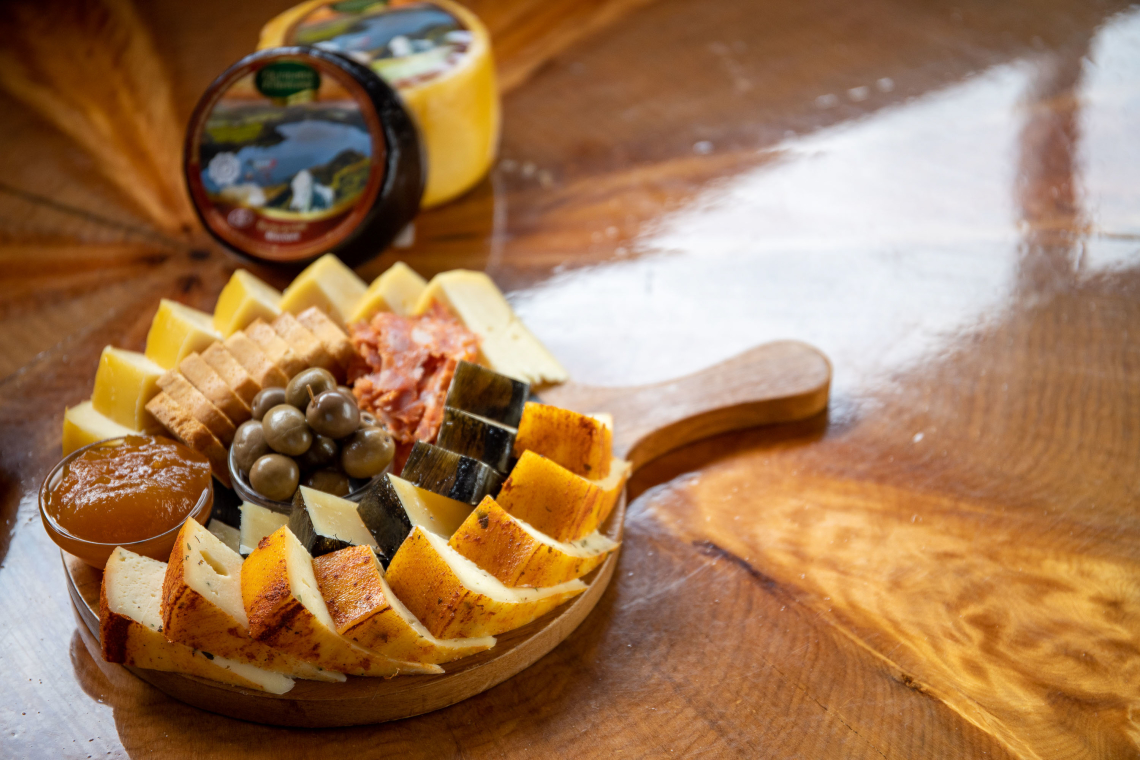
Cheese
Cheese is what the Azores are best known for in Portugal. The reference is Queijo de São Jorge DOP, a hard raw cow's-milk cheese aged at least three months and sold young or long-aged; the older wheels are crumbly and peppery. Pico has its own softer DOP cheese, and São Miguel, Faial, Flores and Graciosa also make distinctive cheeses. See our Azores cheese guide.
Desserts and fruit
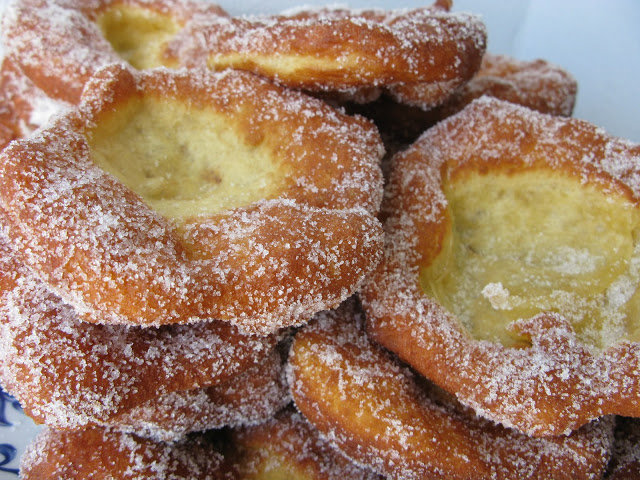
Malassadas
Fried dough rolled in sugar, eaten around Carnival and at festivals. Portuguese emigrants, many from Madeira and the Azores, took them to Hawaii.
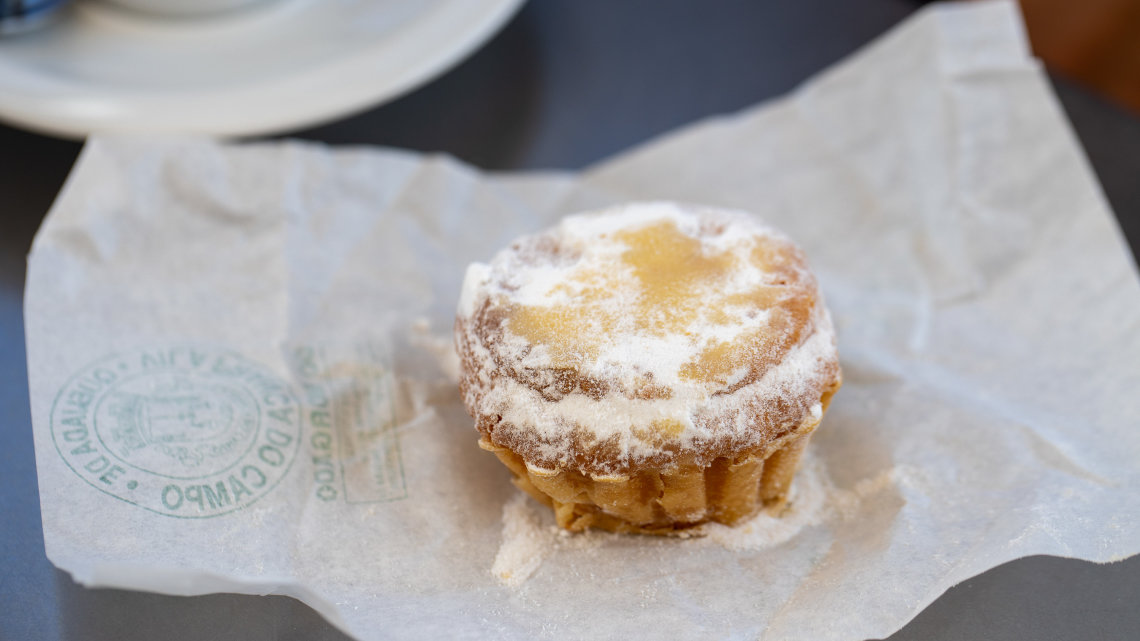
Queijadas
Each island has its own small tart: Queijadas da Vila from Vila Franca do Campo, dark spiced Queijadas Dona Amélia from Terceira, star-shaped Queijadas da Graciosa. Buy a box of each and compare.
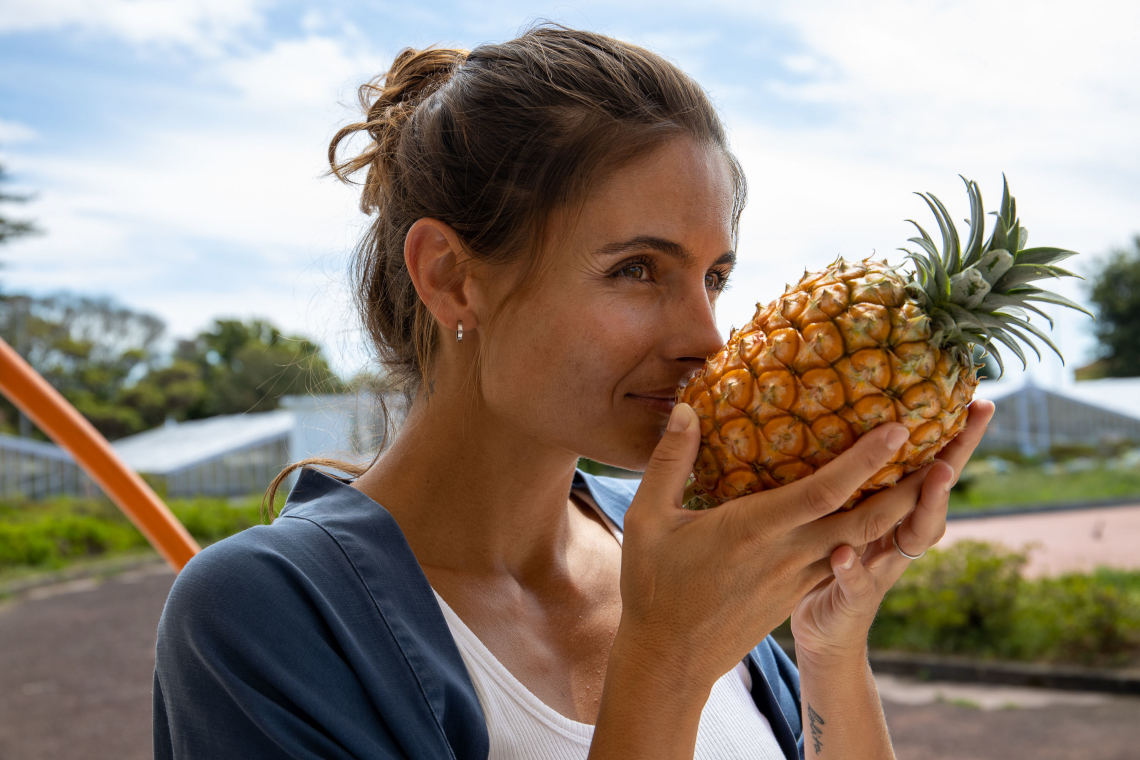
Ananás dos Açores (pineapple)
Grown in whitewashed greenhouses around Ponta Delgada over about 18 months to two years, with the plants smoked to make them flower together. The fruit is small, sweet and sharp. The Arruda plantation in Fajã de Baixo is open to visitors.
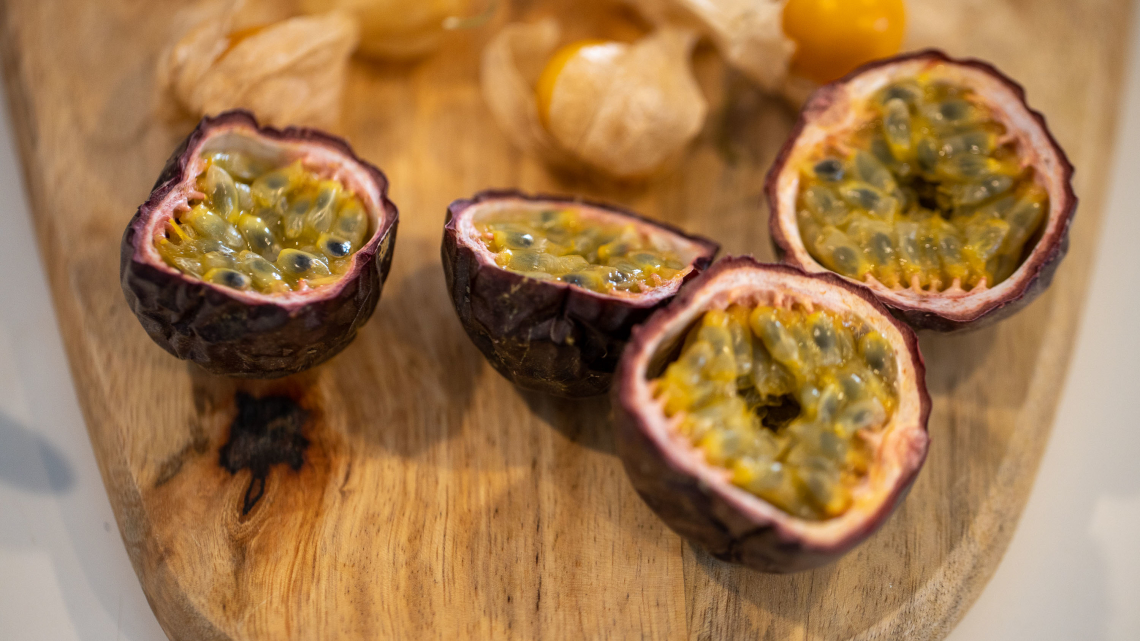
Maracujá (passion fruit)
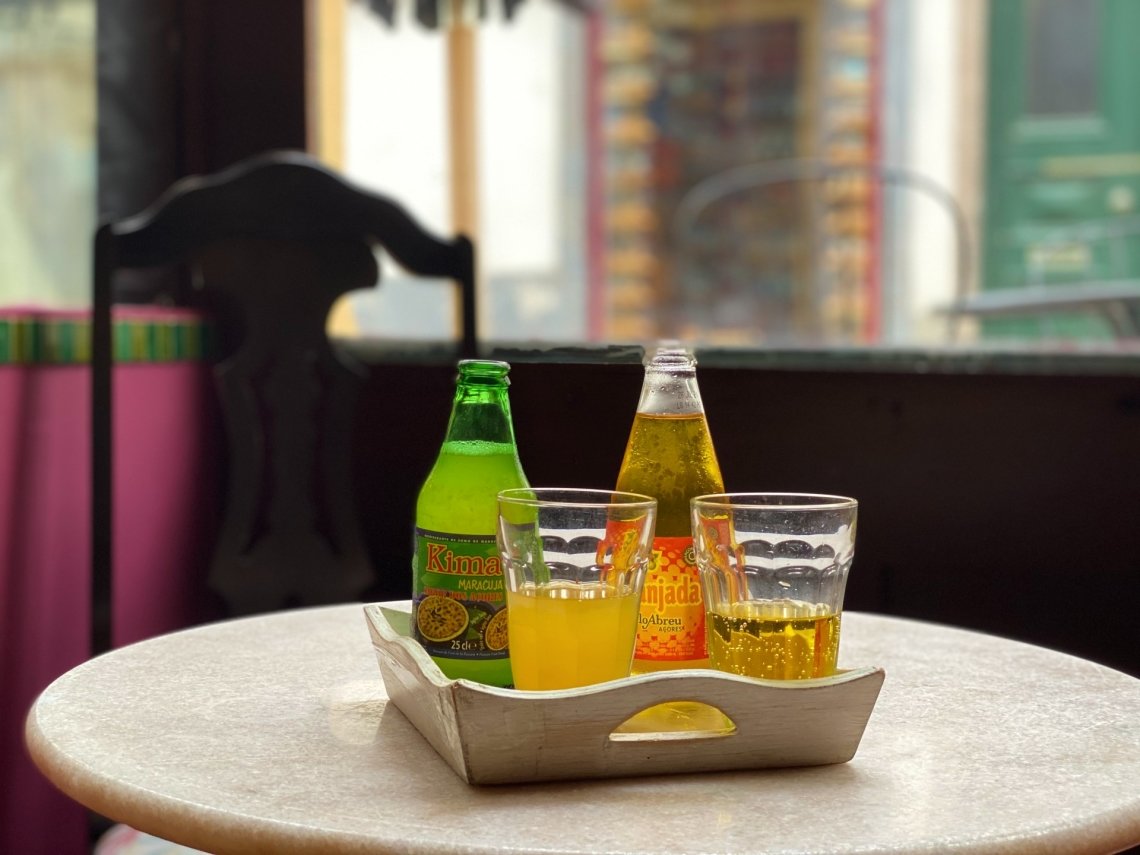
Eaten as mousse, as liqueur and in Kima, the passion-fruit soda made in Ponta Delgada.
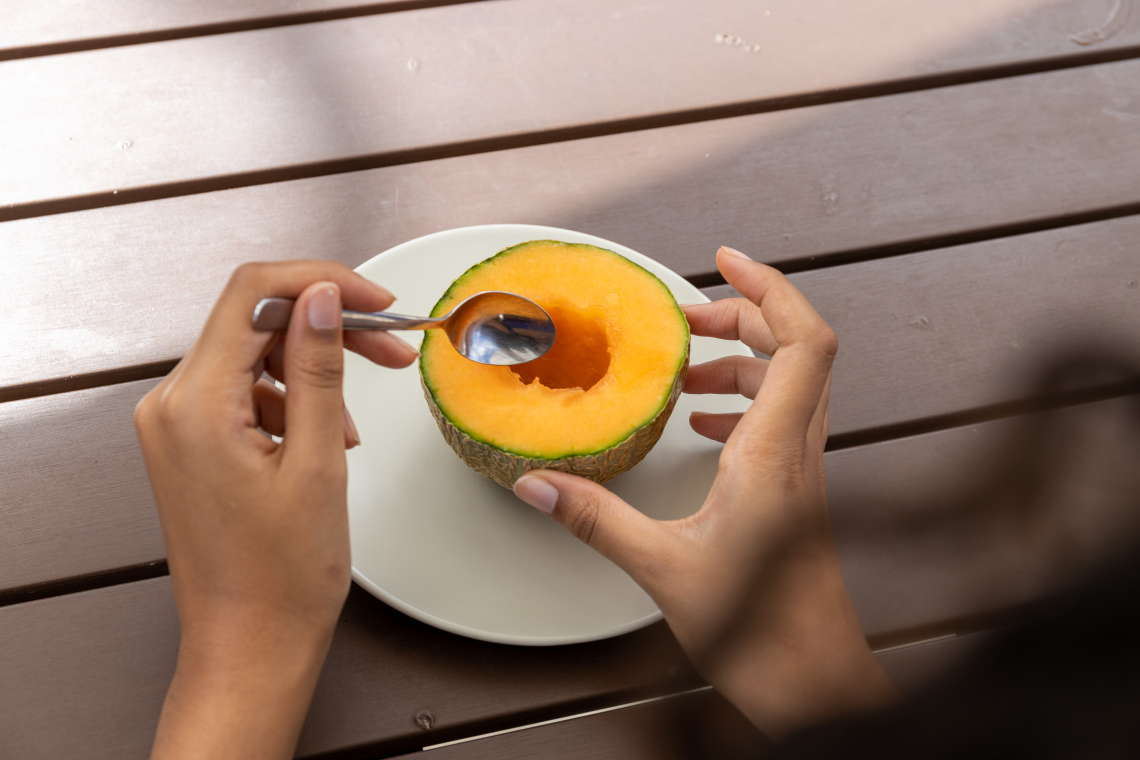
Meloa de Santa Maria
A small sweet melon from dry, sunny Santa Maria, in season in late summer.
What to drink
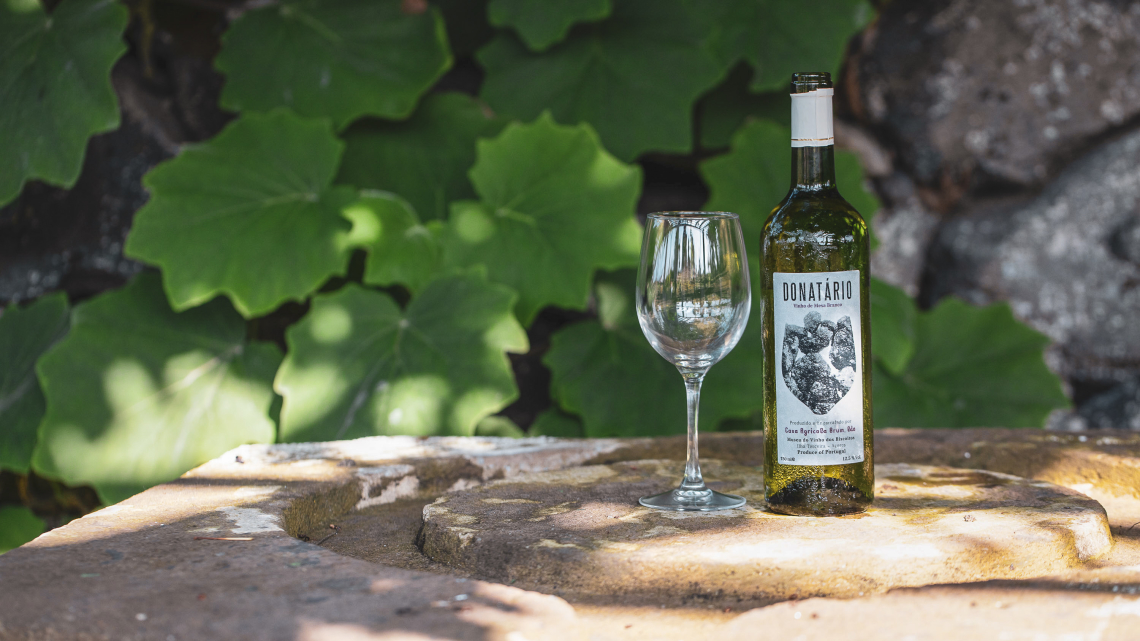
Pico wine
The lava-walled vineyards of Pico are a UNESCO World Heritage site, inscribed in 2004. The main grapes are Verdelho, Arinto dos Açores and Terrantez do Pico, producing saline, high-acid whites. Several producers on Pico offer tastings. Terceira (Biscoitos), Graciosa and São Miguel make wine on a smaller scale.
Vinho de cheiro
The everyday rustic red or rosé made from American Isabella grapes, served in jugs at festivals and used in alcatra and polvo guisado.
Tea
Gorreana, on São Miguel's north coast, has produced tea since 1883 and is the oldest surviving tea plantation in Europe; Porto Formoso nearby is the other. Gorreana is free to visit. See our tea plantations guide.
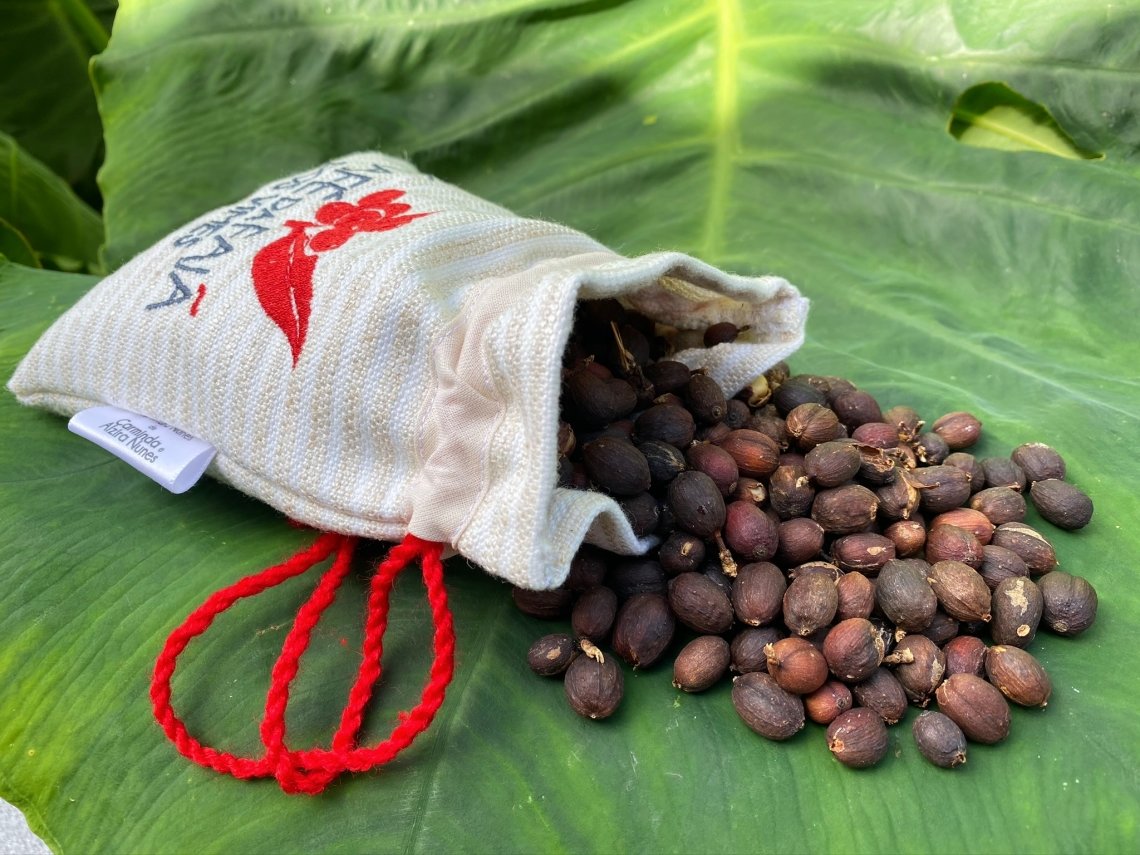
Coffee
A little coffee is grown at Fajã dos Vimes on São Jorge and sold at Café Nunes there.
Liqueurs, beer and soft drinks
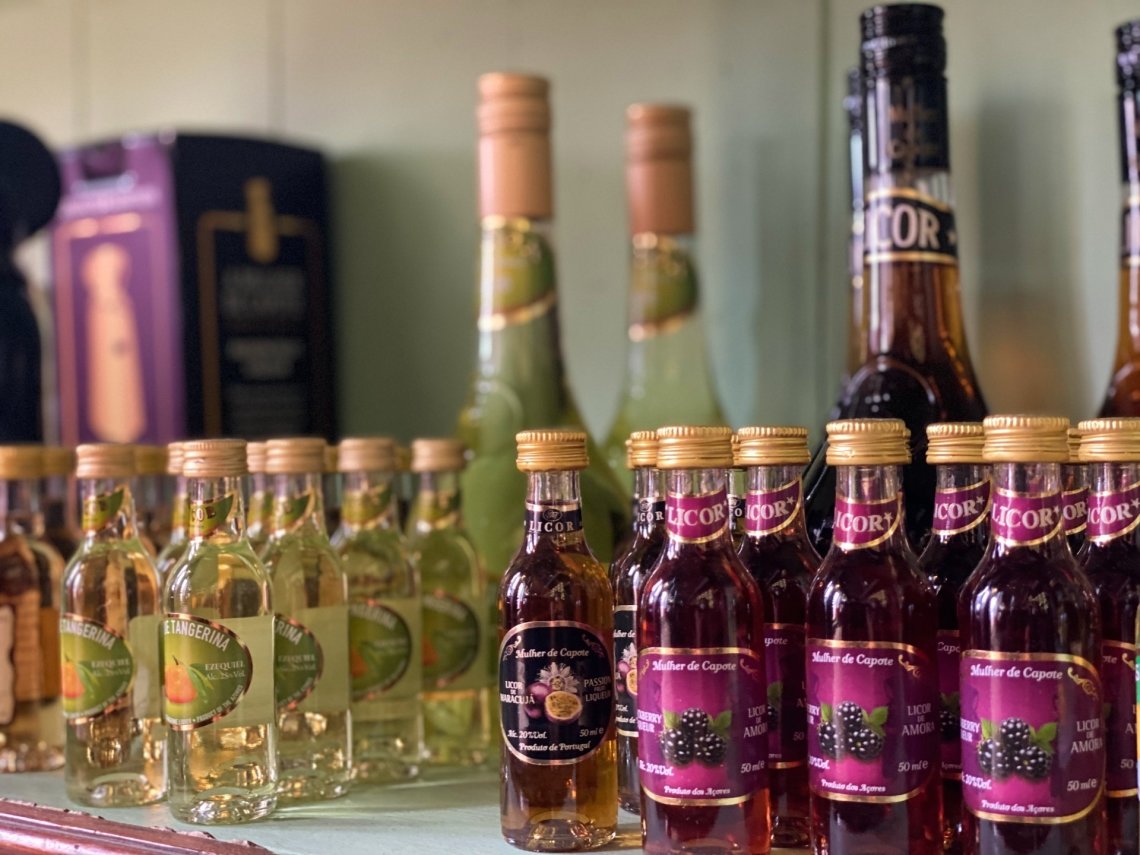
Island liqueurs are sweet and fruit-based: passion fruit, pineapple, blackberry and milk liqueur. Mulher de Capote from São Miguel is a well-known brand. Especial is the local lager, and Kima and Laranjada are the local sodas.
Where to eat and what it costs
Restaurants are mostly family-run and informal, and village tascas often beat the tourist centre. By Western European standards, eating out is good value. Lunch is the main meal and many kitchens close in the afternoon. Book in Furnas, in Angra on weekends and everywhere in July and August.