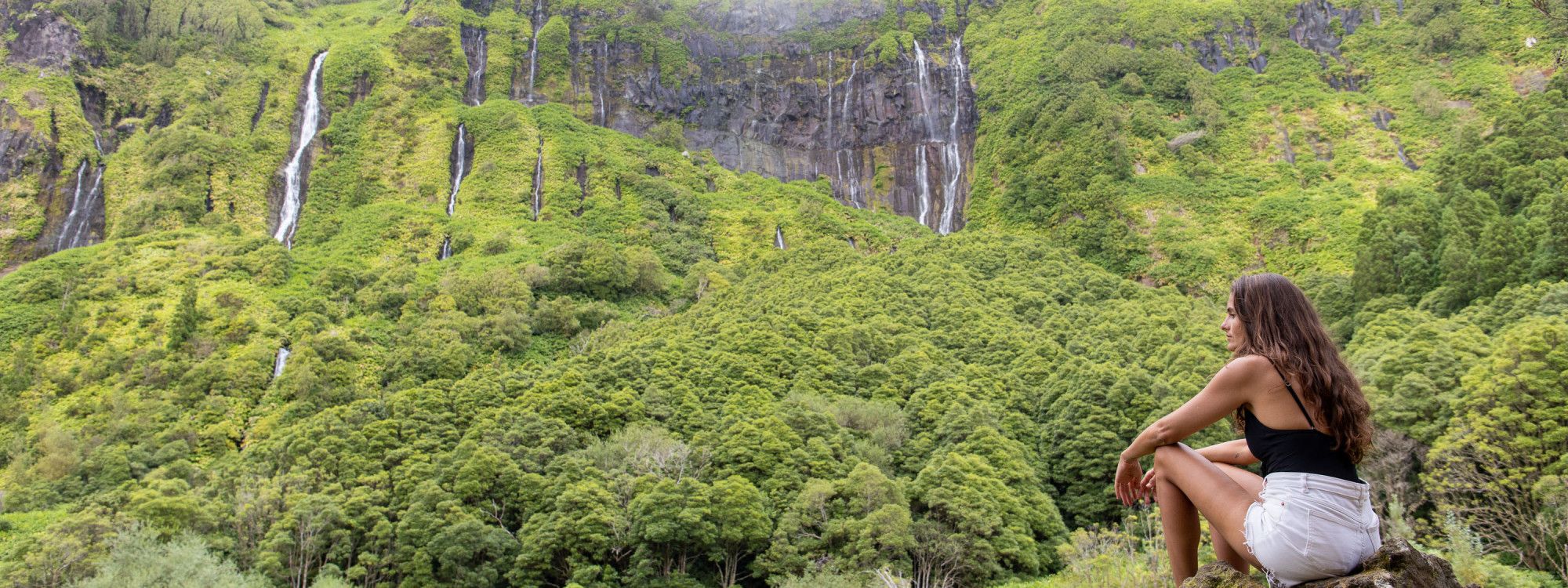
Azores Adventure Travel: Europe’s Award-Winning Islands
The Azores won Europe’s Leading Regional Adventure Tourism Destination 2026. Hiking, Mount Pico, canyoning, whales and diving, island by island.
October 22, 2026 • 4 min read
Azores Adventure Travel: Europe’s Award-Winning Islands
The 2026 award
The World Travel Awards, founded in 1993, hold regional ceremonies each year, with winners voted by travel professionals and the public. The Europe 2026 winners were announced on 17 October in Montenegro. Earlier titles for the Azores are listed below, as shown on the Visit Azores Association profile on the World Travel Awards website.
Hiking volcanoes and crater lakes
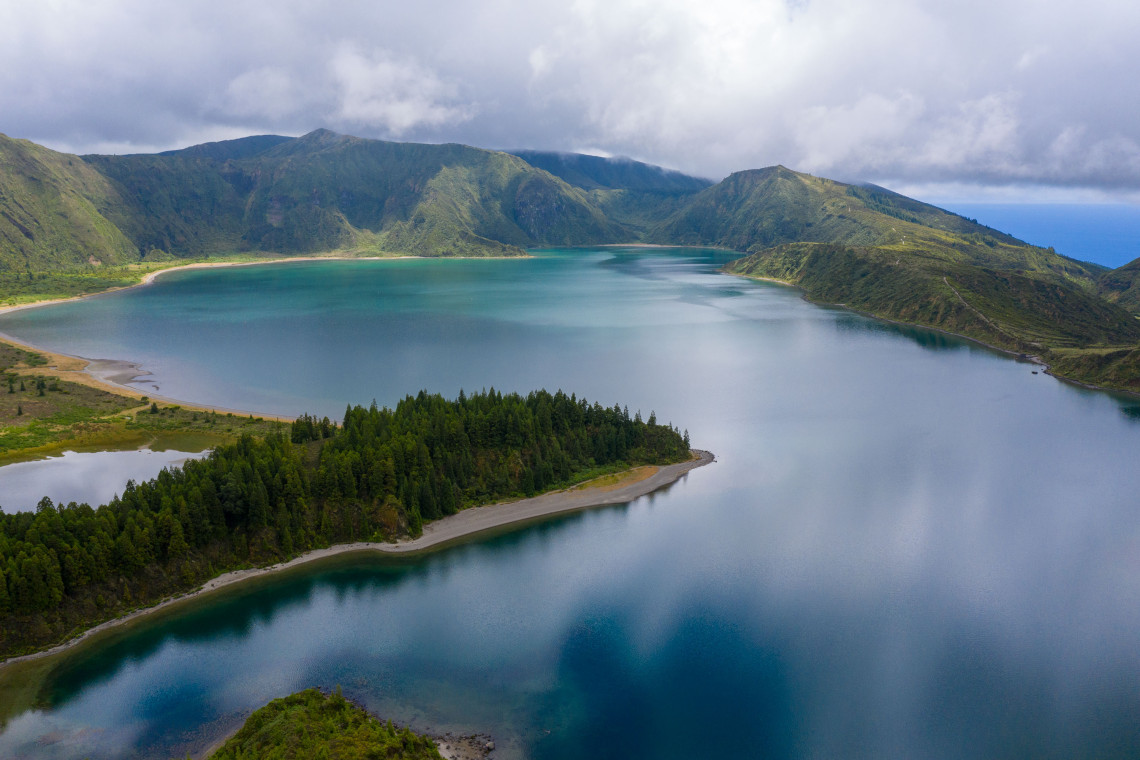
The islands have a network of official, waymarked trails, listed with current closures on the Visit Azores trails site. On São Miguel, routes follow the Sete Cidades crater rim, climb to Lagoa do Fogo on the PR02SMI trail (10.2 km, medium) and lead to waterfalls such as Salto do Prego. Trails get muddy after rain and some close after storms, so check before you go.
Climbing Mount Pico
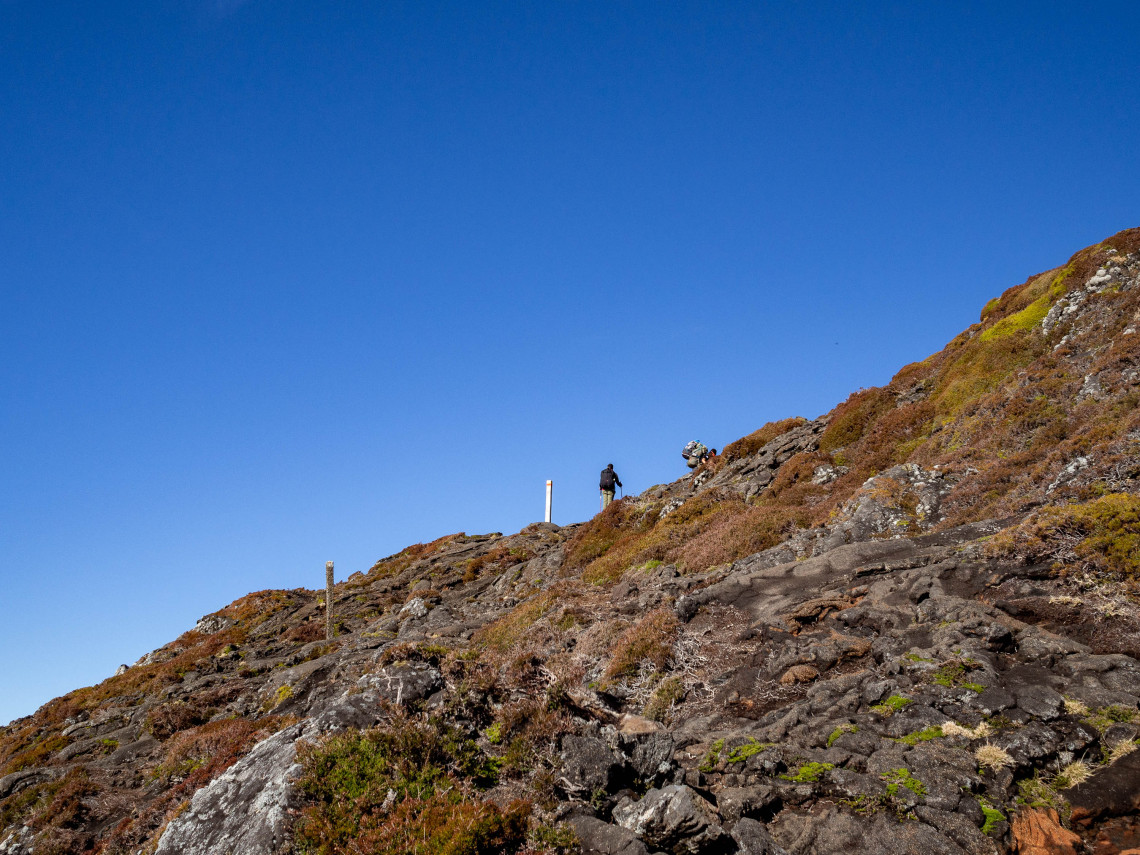
At 2,351 m, Mount Pico is the highest point in Portugal. The climb starts at the Casa da Montanha, at about 1,200 m, where every climber registers and receives a GPS tracker. The ascent takes about three to four hours, and the number of climbers per day is limited. Access can be refused in bad weather or without proper equipment. A certified guide is the safest choice for a first climb.
Canyoning
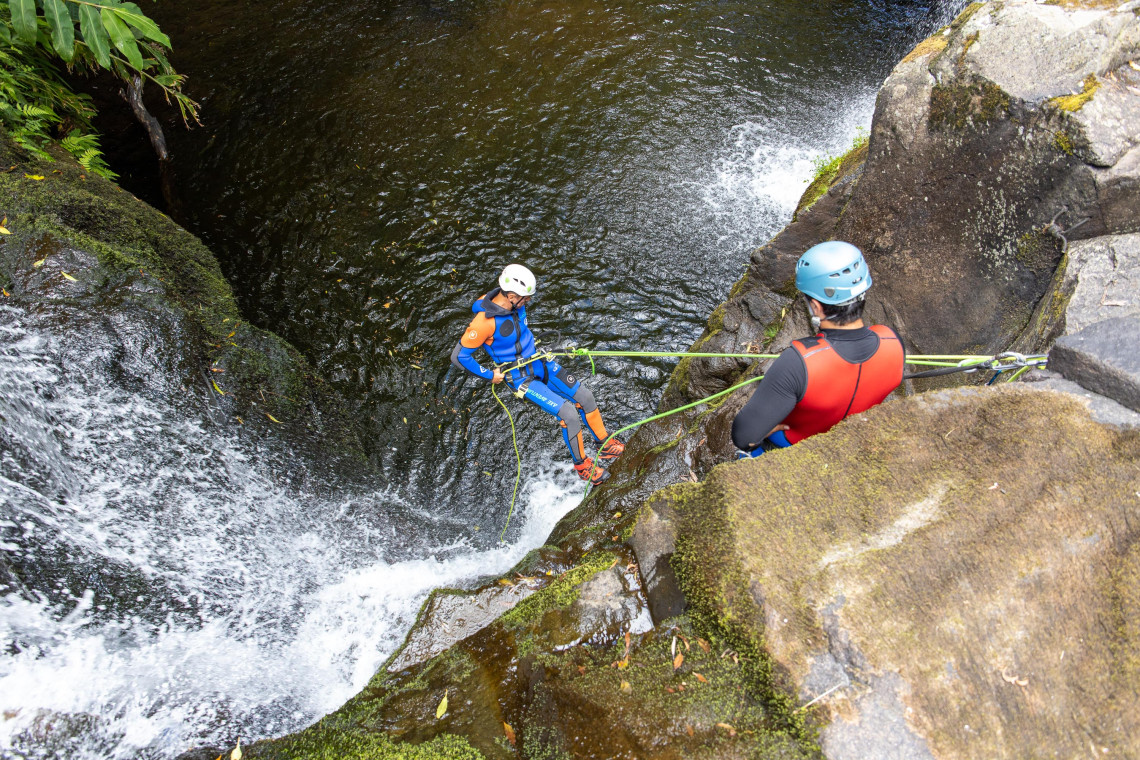
Canyoning means descending a river gorge by walking, sliding, jumping and abseiling down waterfalls. Beginner trips need no experience. São Miguel has the widest choice, from the beginner canyon at Ribeira dos Caldeirões to Salto do Cabrito, and Terceira and Flores have their own routes.
Whale watching
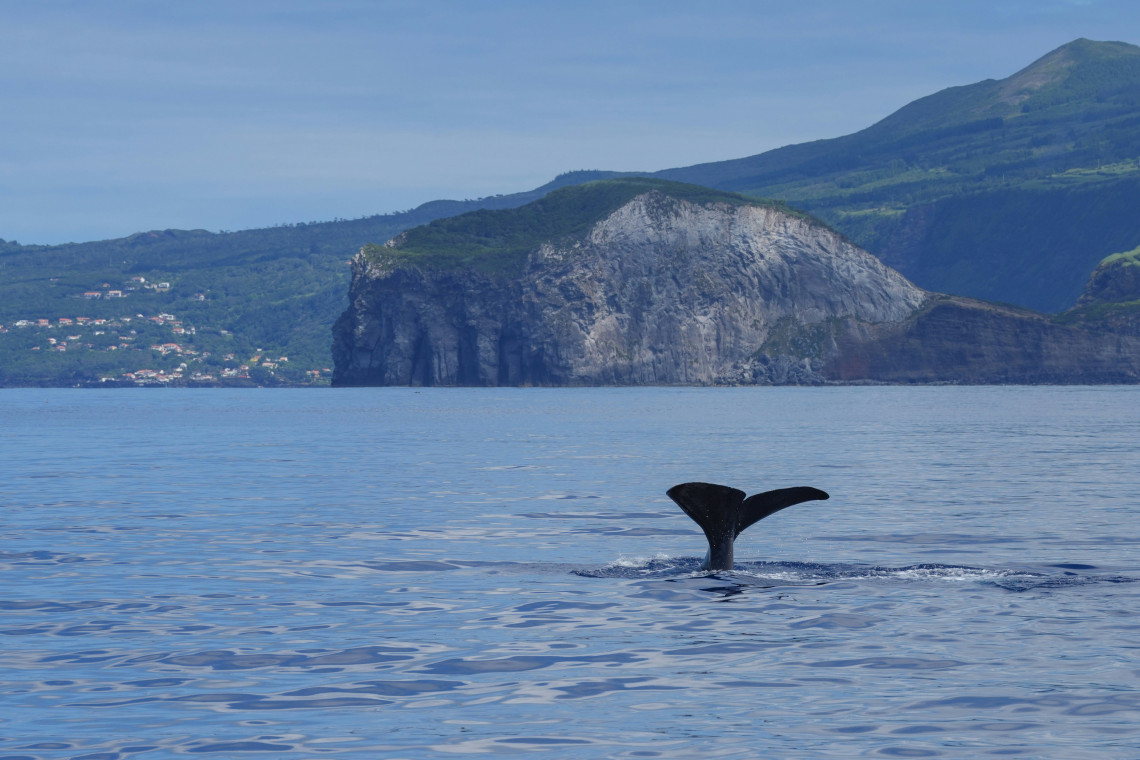
Up to 28 species of whales and dolphins have been recorded in the Azores. Sperm whales and several dolphin species can be seen all year, and blue, fin and sei whales pass mostly from March to June. Trips run from São Miguel, Pico, Faial and other islands when the sea allows.
Diving and snorkelling with mobula rays
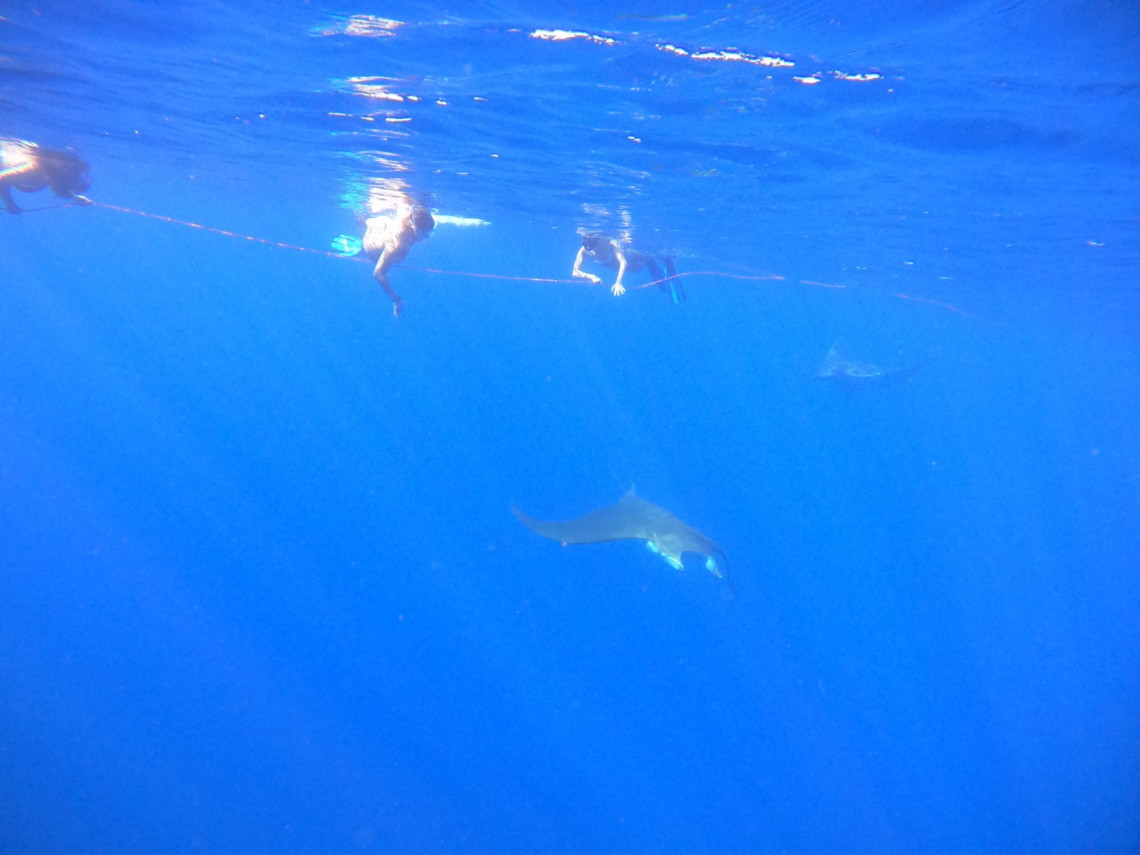
Around Santa Maria, mobula rays are seen in summer, with the Formigas Islets and Dollabarat Bank among the best-known sites. For advanced divers, the Princess Alice Bank, a seamount southwest of Pico, also attracts mobula rays. The main diving season runs from mid-summer to early autumn.
Off-road and on the water
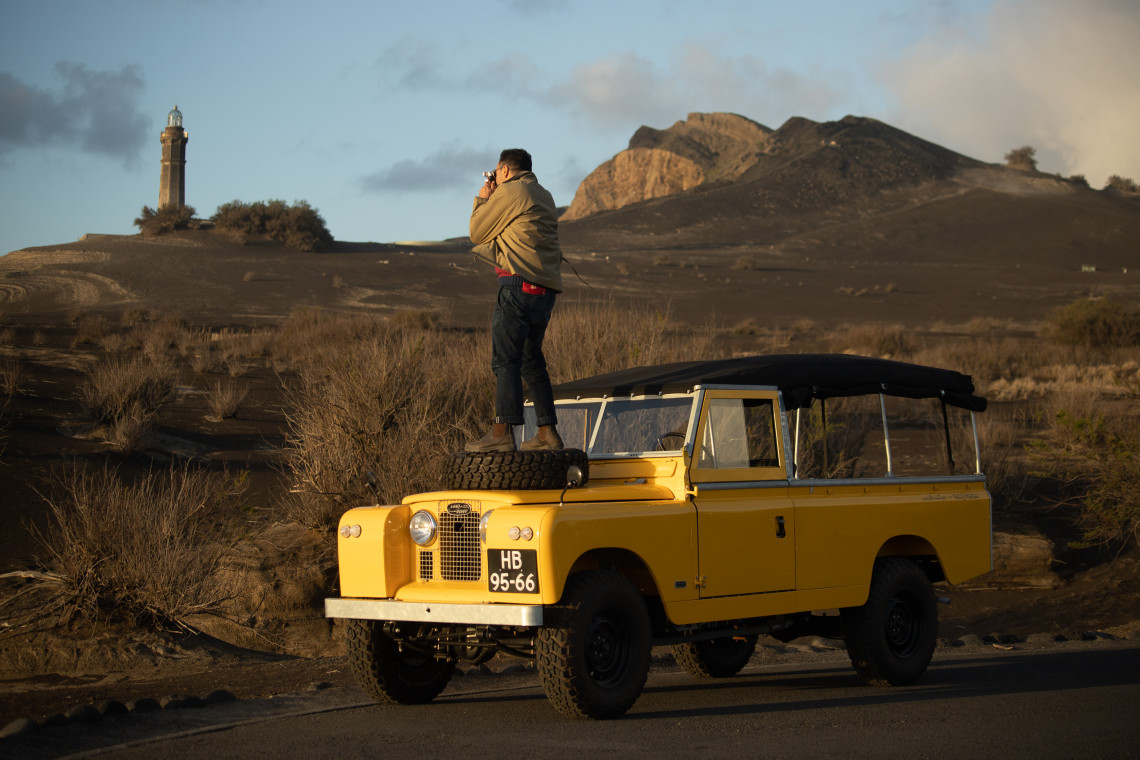
Jeep tours follow farm tracks and forest roads to the crater rims. In summer, you can kayak or paddleboard on the Sete Cidades lakes, surf on the north coast of São Miguel or take a boat to the Vila Franca islet.
Which island for which adventure
When to go
May to October has the most stable weather and all boat trips running. June and September balance weather and crowds. Spring is the time for blue whales. In winter, hiking, canyoning and hot springs remain possible, but more boat trips are cancelled and Mount Pico is best left to experienced climbers.
From North America, Azores Airlines flies direct to Ponta Delgada from Boston, New York JFK, Toronto and Montreal, with more flights in summer.