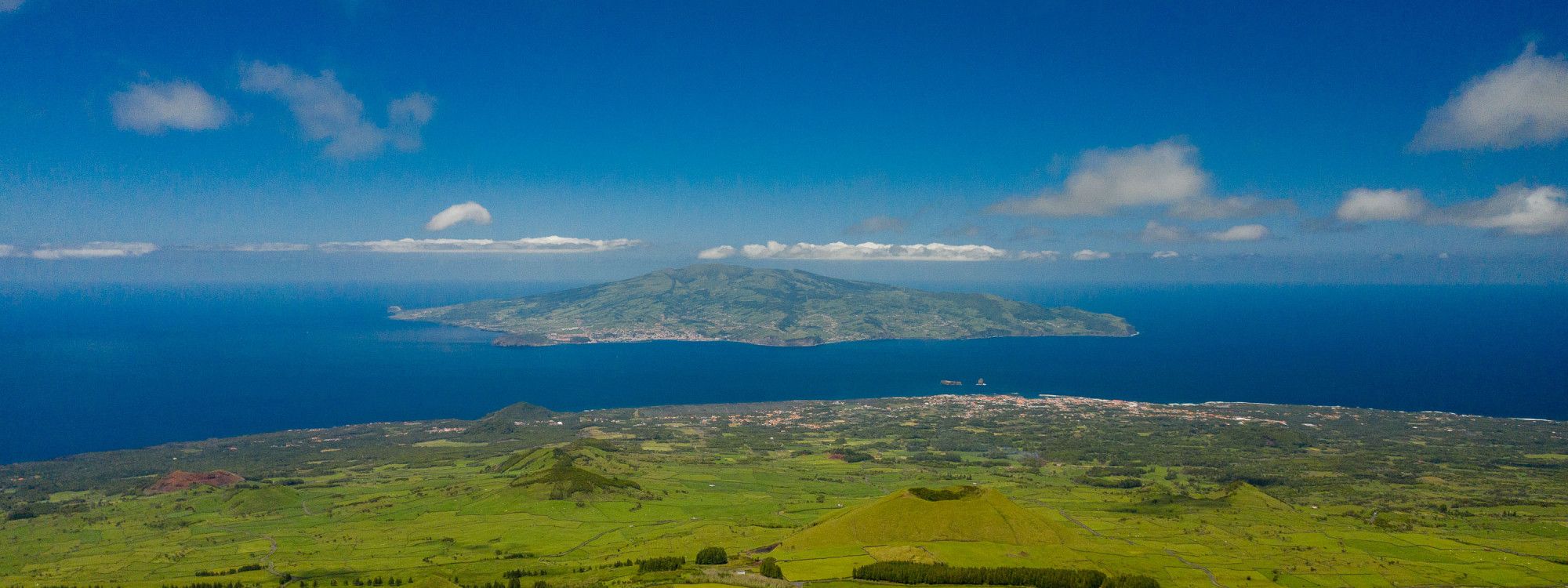
Which Azores Island to Visit First? All 9 Compared
A guide to all nine Azores islands to help you choose where to start, with highlights, character and who each island suits.
May 27, 2020 • 6 min read
Which Azores Island to Visit First? All 9 Compared
The nine islands lie about 1,400 km (875 miles) west of mainland Portugal. They share a volcanic origin but each has its own character.
1. São Miguel: the best first island for most travellers
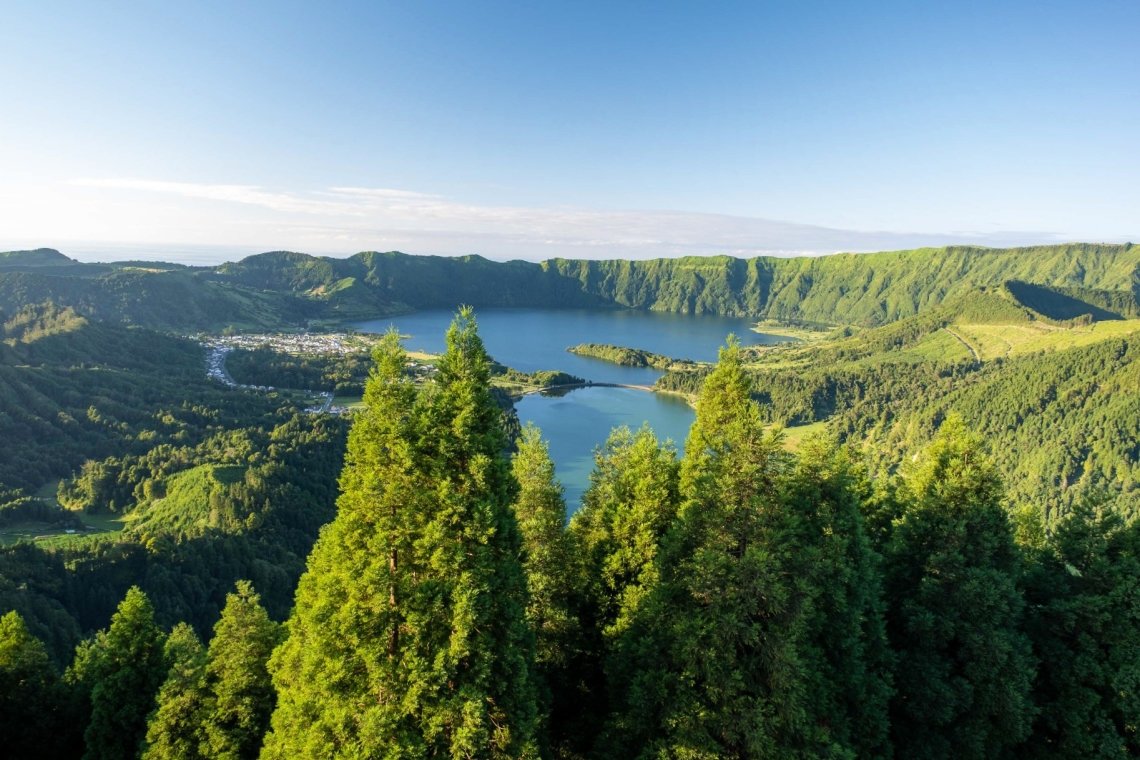
The largest and most visited island, with the main airport. The crater lakes of Sete Cidades and Lagoa do Fogo, the Furnas valley and its hot springs, the tea plantations and the lava pools of the west coast are all within a day's drive of Ponta Delgada, which has the most restaurants and hotels in the Azores.
Best for: first-time visitors, families, variety, whale watching, hiking and hot springs.
Less suited to: travellers who want to avoid crowds in July and August.
2. Santa Maria: the sunniest island
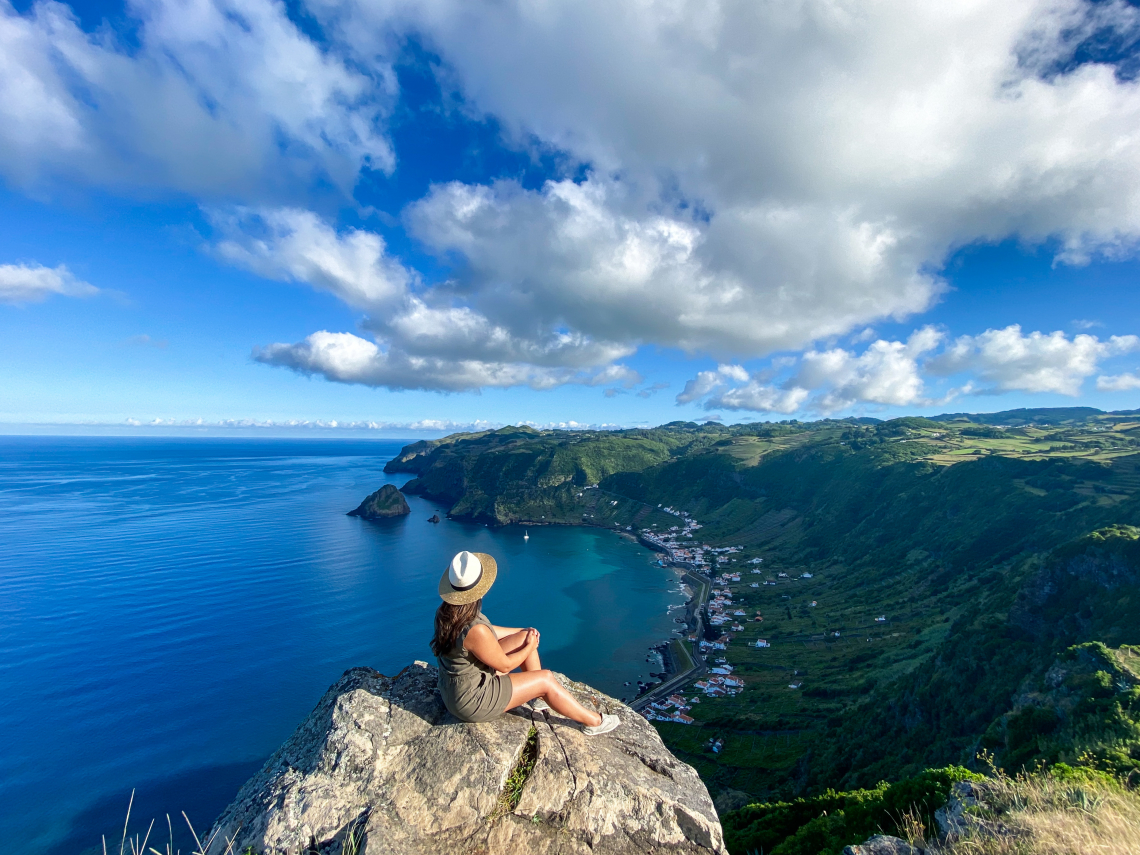
The southernmost and oldest island is the driest and sunniest, with the archipelago's best-known light sand beaches. Praia Formosa is the main beach and São Lourenço Bay, with its vineyard terraces, the most dramatic. Two or three days are enough.
Best for: beaches, sun, couples and divers.
Less suited to: travellers who want big volcanic scenery or many trails.
3. Terceira: UNESCO heritage, alcatra and volcanic caves
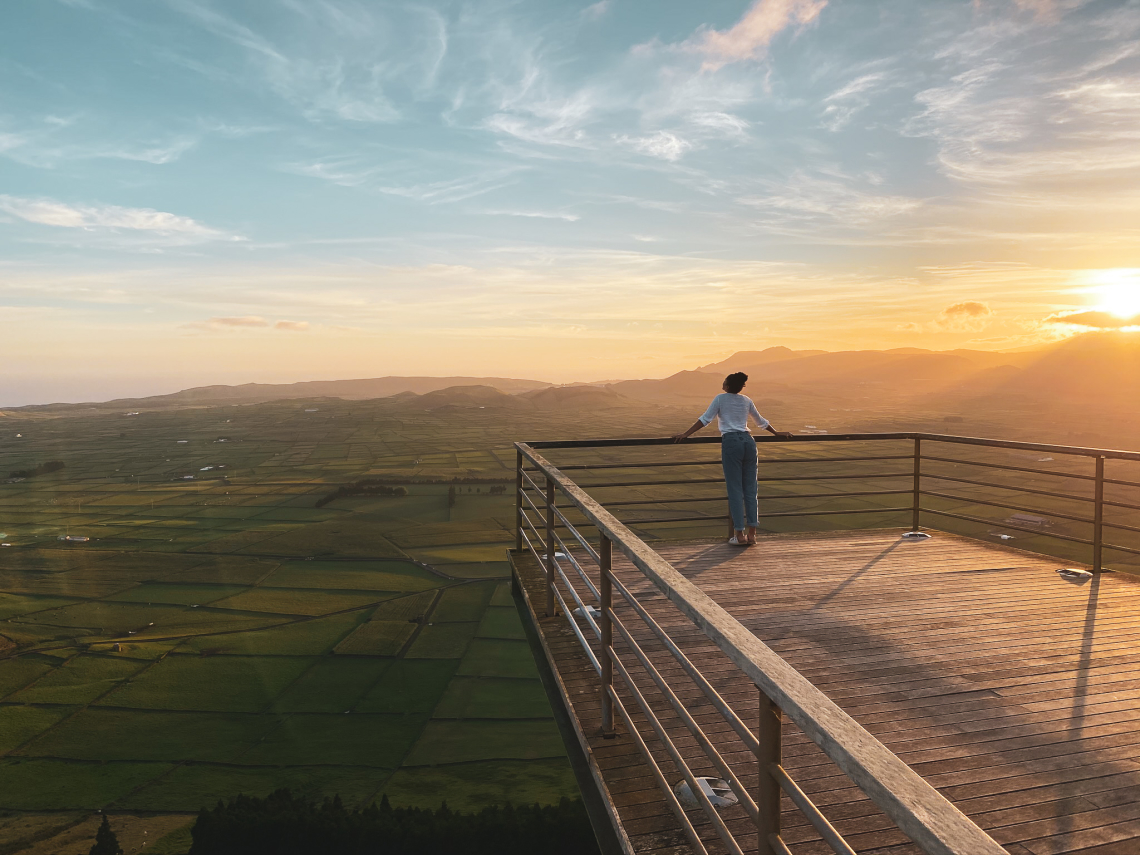
Angra do Heroísmo is a UNESCO World Heritage town of Renaissance streets and Baroque churches. Beyond it are Algar do Carvão, a volcanic chimney you can walk down into (closed in winter), the Mistérios Negros trail, the Serra do Cume viewpoint and a busy calendar of festivals. Alcatra, beef slow-cooked in a clay pot, is the dish to try.
Best for: history, food, festivals and combining with São Miguel.
Less suited to: beach holidays, although Praia da Vitória has a sandy beach.
4. Graciosa: the quiet island
The smallest and flattest of the central islands, with white villages, windmills and few visitors. Its main sight is Furna do Enxofre, a cave with a sulphurous lake inside the caldera. Graciosa is also known for its queijadas, its wine and the small Carapacho spa.
Best for: slowing down and travellers who prefer quiet.
Less suited to: first-timers who want big scenery and many activities.
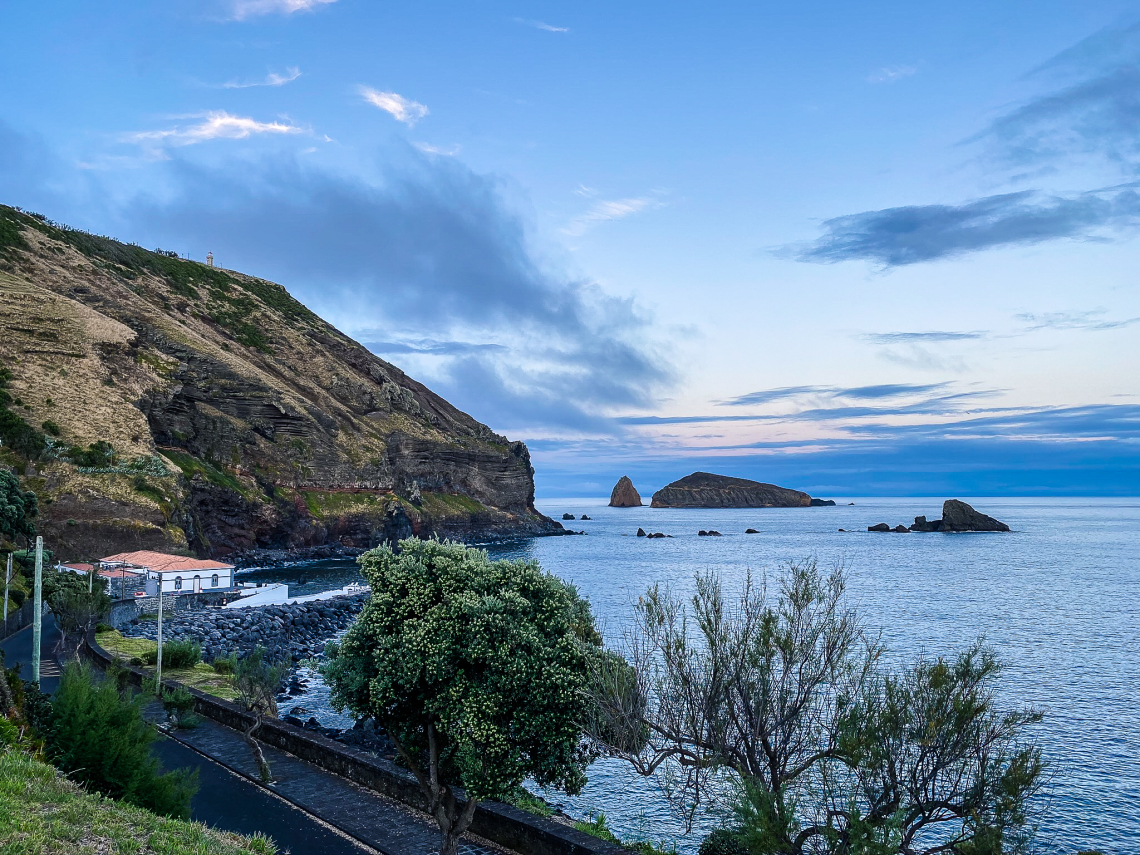
5. São Jorge: fajãs and cliffs
A long, narrow ridge rising more than 1,000 metres, with cliffs dropping to the fajãs, coastal platforms, some reachable only on foot. The Fajã da Caldeira de Santo Cristo has a lagoon known for its clams. The island makes Queijo de São Jorge and grows a little coffee at Fajã dos Vimes.
Best for: hikers, cheese lovers and quiet.
Less suited to: young children or travellers with limited mobility.
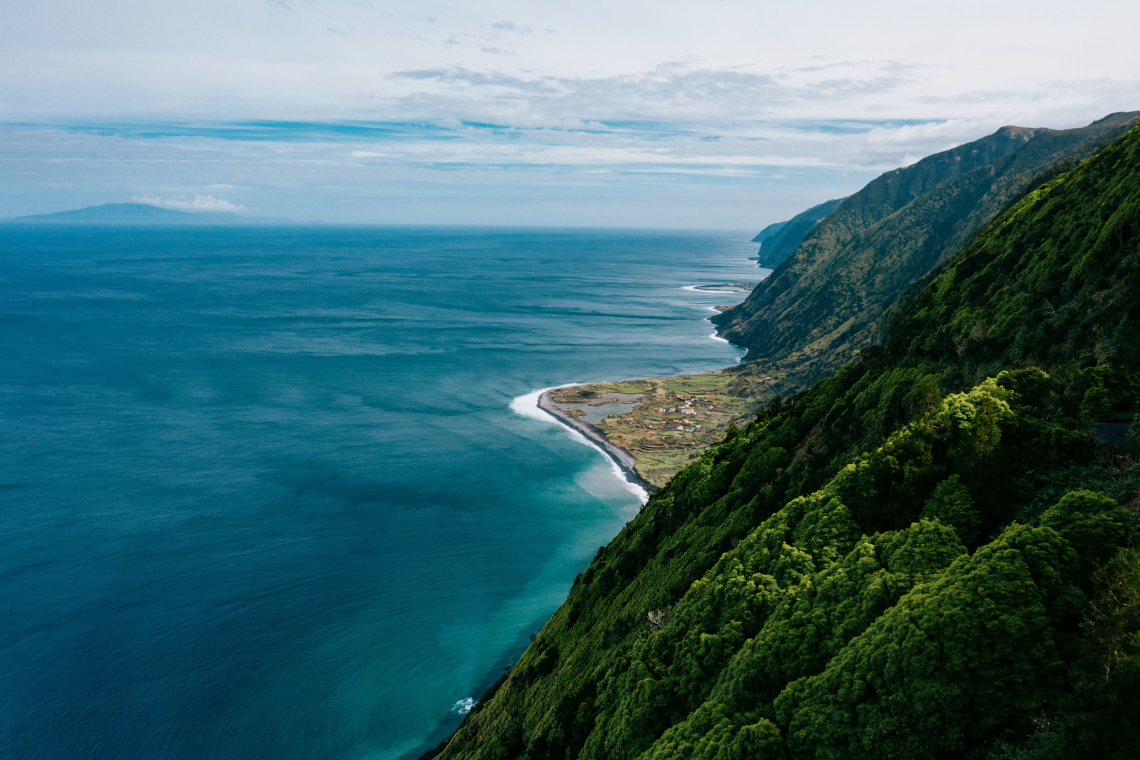
6. Pico: the mountain island
Mount Pico, 2,351 metres, is the highest point in Portugal. Around it are UNESCO-listed vineyards built on lava, natural pools, the Gruta das Torres lava cave and the whaling heritage of Lajes. It is quieter than São Miguel or Terceira.
Best for: hikers, wine, whale watching and a rugged, local feel.
Less suited to: travellers who want city amenities.
Combine Pico with Faial: the ferry between Madalena and Horta takes about 30 minutes.
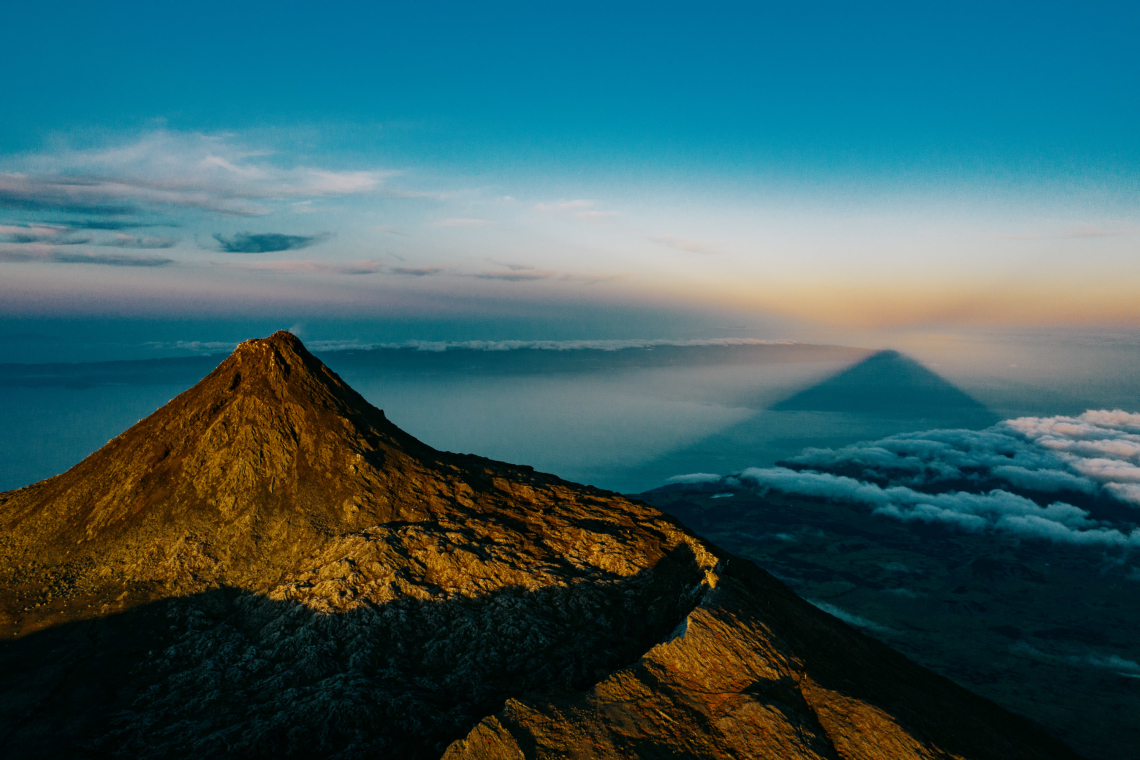
7. Faial: sailing and Capelinhos
Horta's marina is one of the best-known yachting stops in the Atlantic, and Peter Café Sport has served sailors for about a century. At the western tip, the Capelinhos eruption of 1957 and 1958 added new land and half-buried a lighthouse. Faial also has whale watching, the Caldeira and the beach at Porto Pim.
Best for: sailing culture, whale watching and combining with Pico.
Less suited to: beach holidays.
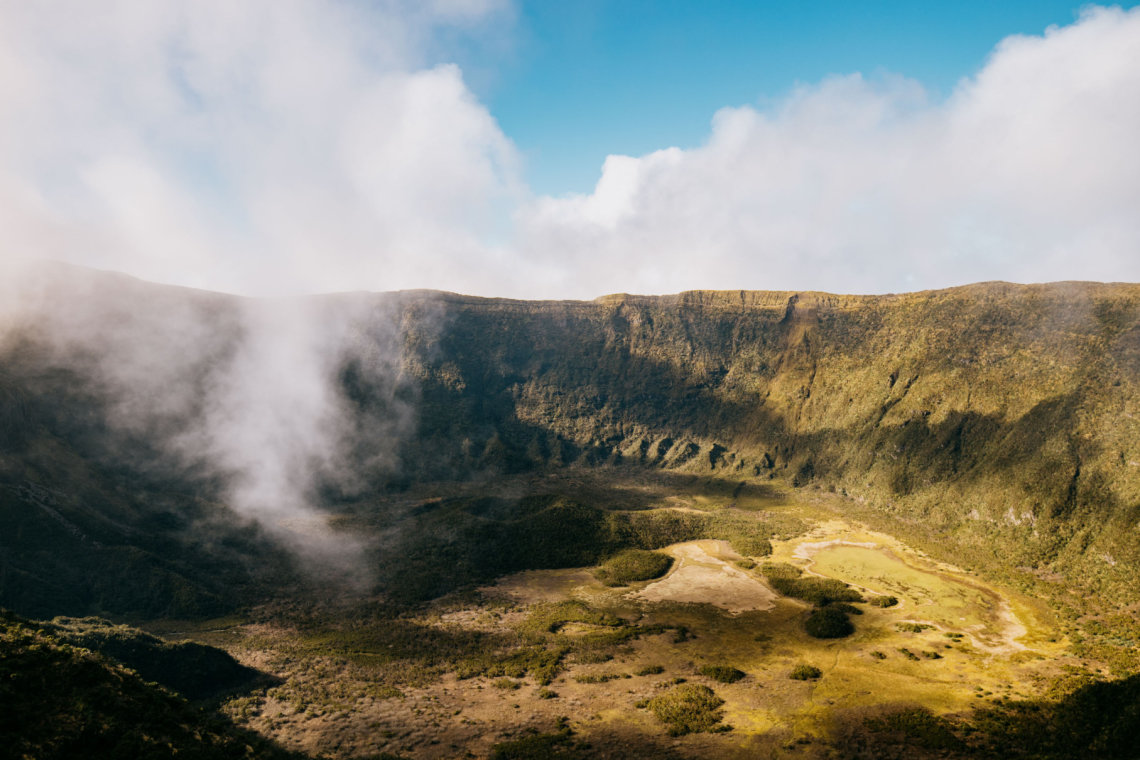
8. Flores: the island of waterfalls
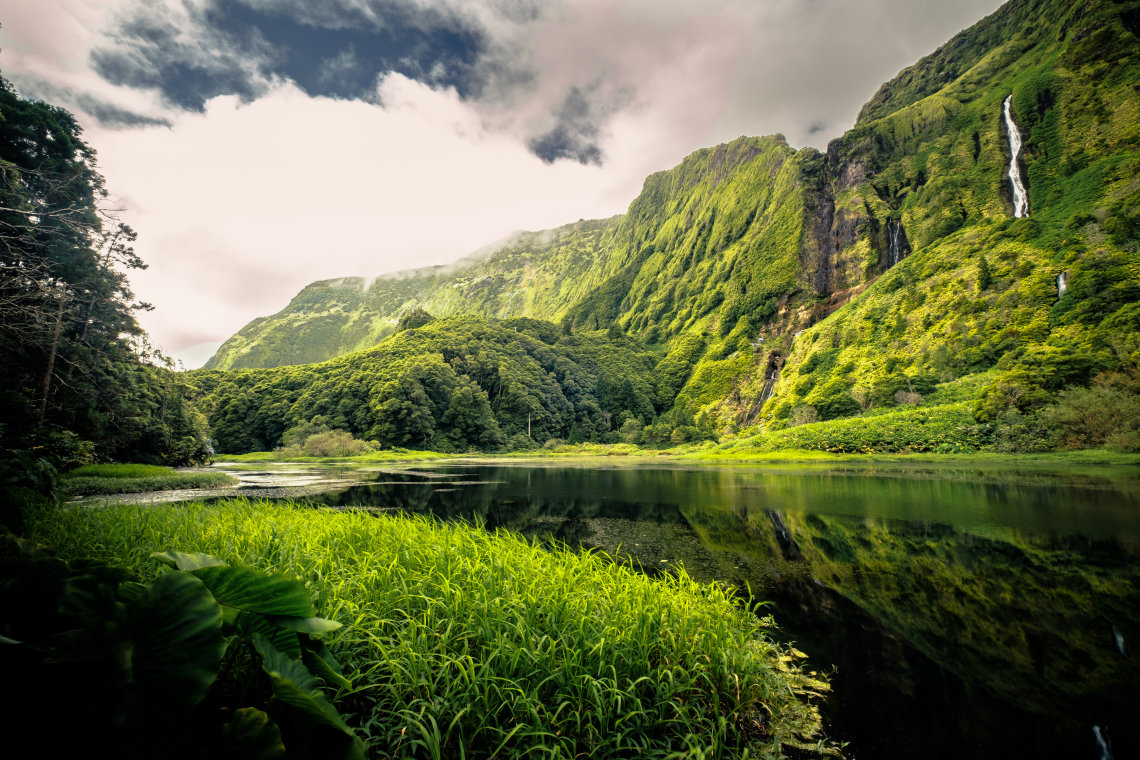
Waterfalls, crater lakes, cliffs and hydrangeas in summer. Flores is a UNESCO Biosphere Reserve, and the Poço do Bacalhau and Poço da Ribeira do Ferreiro near Fajã Grande are the highlights. It needs an extra flight, so it suits travellers with more time.
Best for: nature, photography and remote scenery.
Less suited to: short trips.
9. Corvo: the smallest island
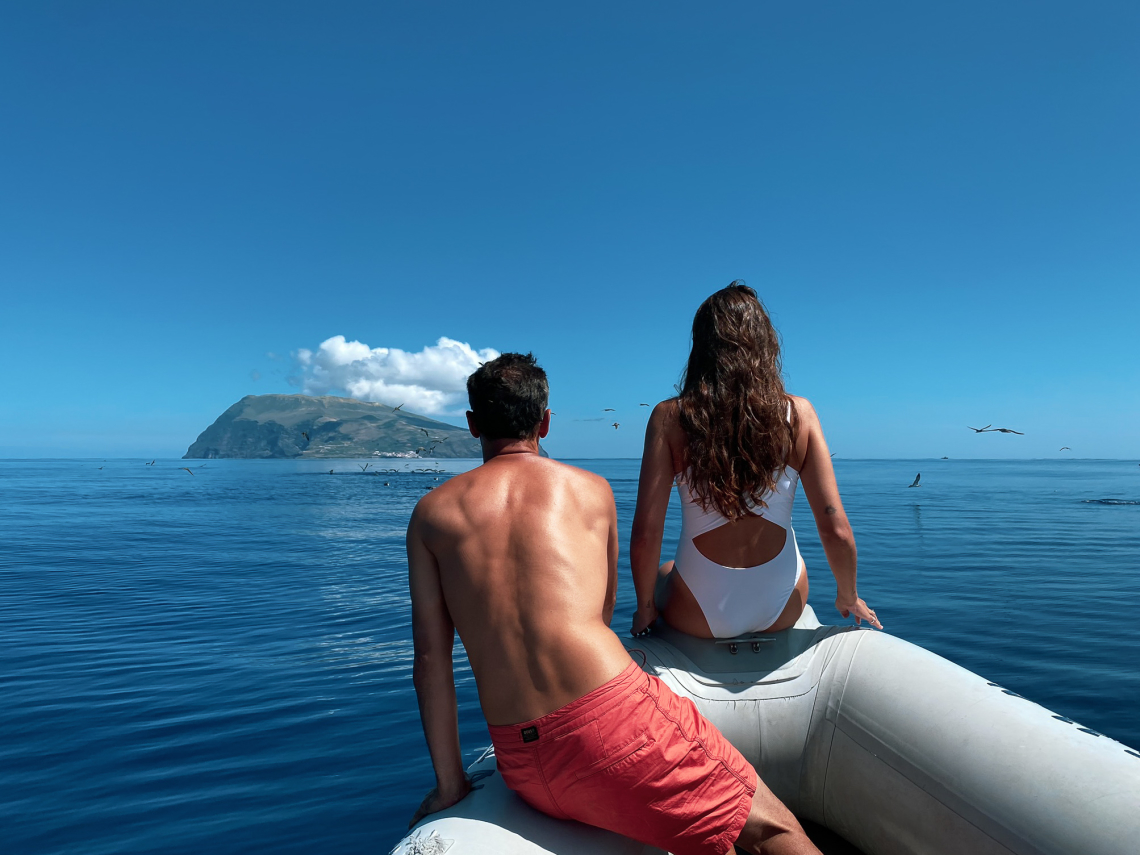
One village of fewer than 500 people, Portugal's least populated municipality, and a road up to the Caldeirão crater, with small lakes on its floor. Corvo is a magnet for birdwatchers in autumn, when rare migrants appear. Most visitors come on a day trip from Flores.
Best for: birdwatching and peace and quiet.
The Triangle: Pico, Faial and São Jorge
The three islands are close enough to base yourself on one and visit the others by ferry. If your trip includes any of them, plan at least one crossing. See ferries.
So, which island is best?
Many travellers combine two islands in a week. See how many days you need.